The Bank of Japan may follow its highly anticipated rate increase next week with another move higher as soon as October as it races to stay ahead of the curve in fighting inflation, according to a former executive director.
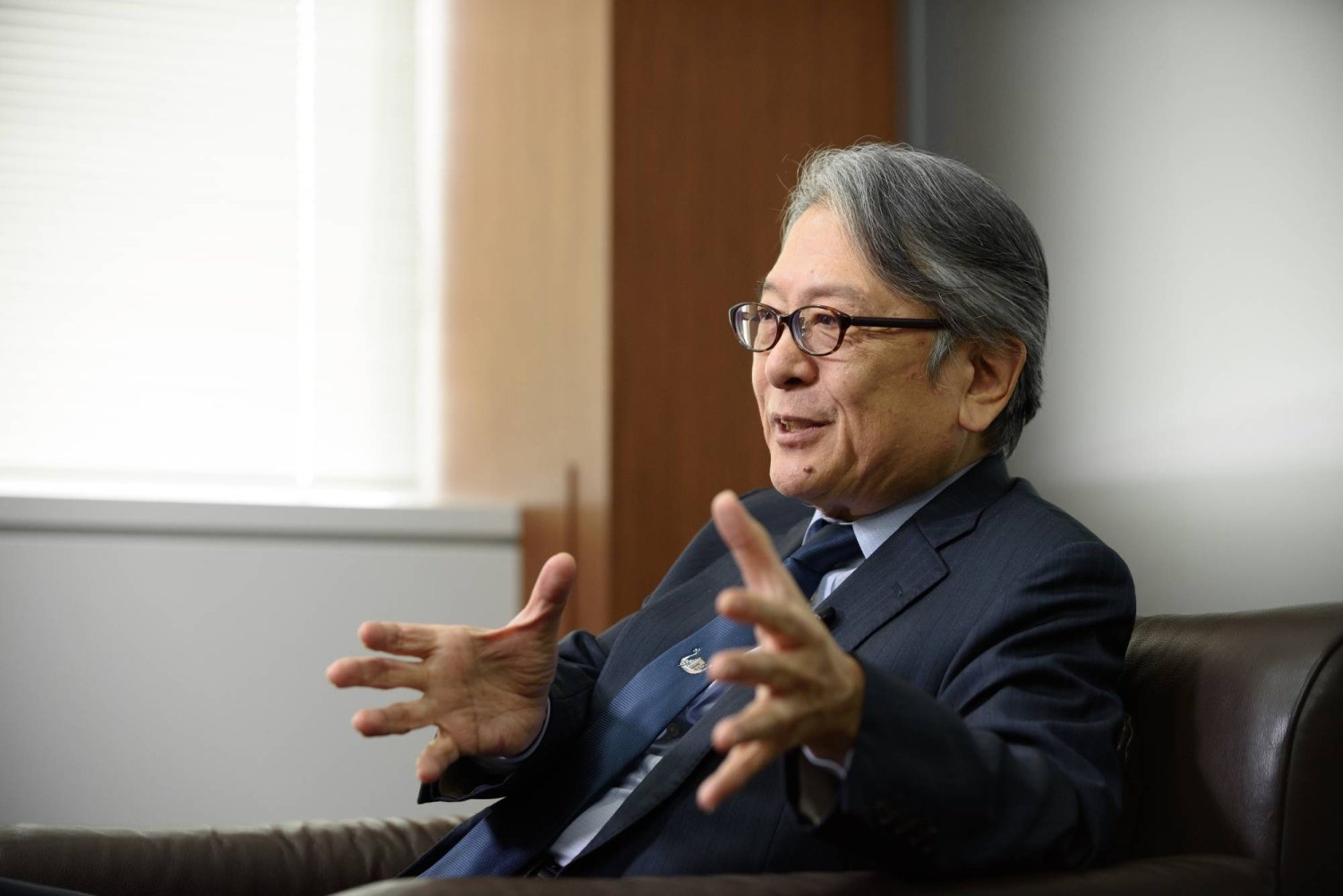
“The next hike would probably be in October at the earliest” after the move in June, Hideo Hayakawa, the former official, said in an interview Tuesday. “The BOJ is already falling behind the curve a little, so they need to catch up at some point.”
Hayakawa spoke a week before the BOJ is widely expected to raise its benchmark interest rate a quarter percentage point, in what would be the first adjustment since December. There are growing perceptions in the market that the BOJ has been too slow in responding to inflationary pressure stemming in part from the Middle East conflict. A focus of the gathering next week will be any signals pointing to a faster pace of rate increases.
“It’s rather unfortunate” that Gov. Kazuo Ueda’s rate hikes had to be delayed in the past because of U.S. tariffs, the start of Prime Minister Sanae Takaichi’s government and the Middle East shock, Hayakawa said. “I don’t blame him as it’s mostly on Trump.”
Hayakawa noted that recent high volatility in Japan’s bond market has probably become an issue the BOJ can’t ignore. Japan’s 10-year bond yields hit 2.8% on May 18, the highest since 1996, a development that alarmed Hayakawa and convinced him of the need for a June rate hike.
“The recent rapid rise in bond yields is in part reflecting concerns over BOJ’s ability to raise rates,” Hayakawa said. “The BOJ must be thinking they have to act.”
The sharp yield increase is also driven by market concerns over the trajectory for Takaichi’s fiscal policies, complicating the BOJ’s job. Takaichi oversaw passage last week of an extra budget to cushion households from the impact of rising utility prices. Her government is debating whether to temporarily cut the sales tax on food, a step that would cost at least a few trillion yen at a time when defense spending is also expected to ramp up.
“You get more inflation on the back of fiscal expansion,” Hayakawa said. “Takaichi’s measures are clearly all inflationary,” which gives the BOJ little choice other than to respond.
Hayakawa, who also served a term as the BOJ’s chief economist, said upside inflation risks are increasing as businesses pass on their rising costs to customers more quickly than before. He continues to estimate Japan’s neutral rate is around 1.5%, but he sees a risk that the BOJ may have to raise its policy rate as high as around 2% to address soaring…