Wednesday, June 17, 2026
    The GeoStrategic Consensus
    No Result
    View All Result
    • Login
    • HOME
    • AMERICAS
      • Argentina
      • Brazil
      • Canada
      • Chile
      • Colombia
      • Costa Rica
      • Cuba
      • Dominican Republic
      • Ecuador
      • El Salvador
      • Greenland
      • Guatemala
      • Honduras
      • Mexico
      • Nicaragua
      • Panama
      • Paraguay
      • Peru
      • United States
      • Uruguay
      • Venezuela
    • ASIA-PACIFIC
      • Australia
      • Brunei Darussalam
      • Cambodia
      • China
      • Federated States of Micronesia
      • Fiji
      • Indonesia
      • Japan
      • Kiribati
      • Laos
      • Malaysia
      • Marshall Islands
      • Mongolia
      • Myanmar
      • Nauru
      • New Zealand
      • North Korea
      • Palau
      • Papua New Guinea
      • Philippines
      • Samoa
      • Singapore
      • Solomon Islands
      • South Korea
      • Taiwan
      • Thailand
      • Timor-Leste
      • Tonga
      • Tuvalu
      • Vanuatu
      • Vietnam
    • CARICOM
      • CARICOM – Non-English
        • Haiti
        • Suriname
      • CARICOM Associates
        • Anguilla
        • Bermuda
        • British-Virgin-Islands
        • Cayman-Islands
        • Curacao
        • Turks-and-Caicos
      • CARICOM English
        • Antigua and Barbuda
        • Barbados
        • Belize
        • Dominica
        • Grenada
        • Guyana
        • Jamaica
        • Montserrat
        • Saint Kitts and Nevis
        • Saint Lucia
        • Saint Vincent and the Grenadines
        • The Bahamas
        • Trinidad and Tobago
    • EURASIA
      • Armenia
      • Azerbaijan
      • Balarus
      • Georgia
      • Kazakhstan
      • Kyrgyzstan
      • Moldova
      • Russia
      • Tajikistan
      • Turkmenistan
      • Ukraine
      • Uzbekistan
    • EUROPE
      • Albania
      • Andorra
      • Austria
      • Bosnia and Herzegovina
      • Bulgaria
      • Croatia
      • Cyprus
      • Czech Republic
      • Denmark
      • Estonia
      • Finland
      • France
      • Germany
      • Greece
      • Holy See
      • Hungary
      • Iceland
      • Ireland
      • Italy
      • Kosovo
      • Latvia
      • Liechtenstein
      • Lithuania
      • Luxembourg
      • Malta
      • Monaco
      • Montenegro
      • Netherlands
      • North Macedonia
      • Norway
      • Poland
      • Portugal
      • Romania
      • San Marino
      • Serbia
      • Slovakia
      • Slovenia
      • Spain
      • Sweden
      • Switzerland
      • United Kingdom
    • MIDDLE EAST AND NORTH AFRICA
      • Algeria
      • Bahrain
      • Egypt
      • Iran
      • Iraq
      • Israel
      • Jordan
      • Kuwait
      • Lebanon
      • Lybia
      • Morocco
      • Oman
      • Palestinian Territories
      • Qatar
      • Saudi Arabia
      • Syria
      • Tunisia
      • Turkey
      • United Arab Emirates
      • Western Sahara
      • Yemen
    • SOUTH ASIA
      • Afghanistan
      • Bangladesh
      • Bhutan
      • India
      • Maldives
      • Nepal
      • Pakistan
      • Sri Lanka
    • SUB-SAHARAN AFRICA
      • Angola
      • Benin
      • Botswana
      • Burkina Faso
      • Burundi
      • Cabo Verde
      • Cameroon
      • Central African Republic
      • Chad
      • Comoros
      • Cote d’Ivoire
      • Democratic Republic of the Congo
      • Djibouti
      • Equatorial Guinea
      • Eritrea
      • Eswatini
      • Ethiopia
      • Gabon
      • Gambia
      • Ghana
      • Guinea
      • Guinea Bissau
      • Kenya
      • Lesotho
      • Liberia
      • Madagascar
      • Malawi
      • Mali
      • Mauritania
      • Mauritius
      • Mozambique
      • Namibia
      • Niger
      • Nigeria
      • Republic of the Congo
      • Rwanda
      • Sao Tome and Principe
      • Senegal
      • Seychelles
      • Sierra Leone
      • Somalia
      • South Africa
      • South Sudan
      • Sudan
      • Tanzania
      • Togo
      • Uganda
      • Zambia
      • Zimbabwe
    • HOME
    • AMERICAS
      • Argentina
      • Brazil
      • Canada
      • Chile
      • Colombia
      • Costa Rica
      • Cuba
      • Dominican Republic
      • Ecuador
      • El Salvador
      • Greenland
      • Guatemala
      • Honduras
      • Mexico
      • Nicaragua
      • Panama
      • Paraguay
      • Peru
      • United States
      • Uruguay
      • Venezuela
    • ASIA-PACIFIC
      • Australia
      • Brunei Darussalam
      • Cambodia
      • China
      • Federated States of Micronesia
      • Fiji
      • Indonesia
      • Japan
      • Kiribati
      • Laos
      • Malaysia
      • Marshall Islands
      • Mongolia
      • Myanmar
      • Nauru
      • New Zealand
      • North Korea
      • Palau
      • Papua New Guinea
      • Philippines
      • Samoa
      • Singapore
      • Solomon Islands
      • South Korea
      • Taiwan
      • Thailand
      • Timor-Leste
      • Tonga
      • Tuvalu
      • Vanuatu
      • Vietnam
    • CARICOM
      • CARICOM – Non-English
        • Haiti
        • Suriname
      • CARICOM Associates
        • Anguilla
        • Bermuda
        • British-Virgin-Islands
        • Cayman-Islands
        • Curacao
        • Turks-and-Caicos
      • CARICOM English
        • Antigua and Barbuda
        • Barbados
        • Belize
        • Dominica
        • Grenada
        • Guyana
        • Jamaica
        • Montserrat
        • Saint Kitts and Nevis
        • Saint Lucia
        • Saint Vincent and the Grenadines
        • The Bahamas
        • Trinidad and Tobago
    • EURASIA
      • Armenia
      • Azerbaijan
      • Balarus
      • Georgia
      • Kazakhstan
      • Kyrgyzstan
      • Moldova
      • Russia
      • Tajikistan
      • Turkmenistan
      • Ukraine
      • Uzbekistan
    • EUROPE
      • Albania
      • Andorra
      • Austria
      • Bosnia and Herzegovina
      • Bulgaria
      • Croatia
      • Cyprus
      • Czech Republic
      • Denmark
      • Estonia
      • Finland
      • France
      • Germany
      • Greece
      • Holy See
      • Hungary
      • Iceland
      • Ireland
      • Italy
      • Kosovo
      • Latvia
      • Liechtenstein
      • Lithuania
      • Luxembourg
      • Malta
      • Monaco
      • Montenegro
      • Netherlands
      • North Macedonia
      • Norway
      • Poland
      • Portugal
      • Romania
      • San Marino
      • Serbia
      • Slovakia
      • Slovenia
      • Spain
      • Sweden
      • Switzerland
      • United Kingdom
    • MIDDLE EAST AND NORTH AFRICA
      • Algeria
      • Bahrain
      • Egypt
      • Iran
      • Iraq
      • Israel
      • Jordan
      • Kuwait
      • Lebanon
      • Lybia
      • Morocco
      • Oman
      • Palestinian Territories
      • Qatar
      • Saudi Arabia
      • Syria
      • Tunisia
      • Turkey
      • United Arab Emirates
      • Western Sahara
      • Yemen
    • SOUTH ASIA
      • Afghanistan
      • Bangladesh
      • Bhutan
      • India
      • Maldives
      • Nepal
      • Pakistan
      • Sri Lanka
    • SUB-SAHARAN AFRICA
      • Angola
      • Benin
      • Botswana
      • Burkina Faso
      • Burundi
      • Cabo Verde
      • Cameroon
      • Central African Republic
      • Chad
      • Comoros
      • Cote d’Ivoire
      • Democratic Republic of the Congo
      • Djibouti
      • Equatorial Guinea
      • Eritrea
      • Eswatini
      • Ethiopia
      • Gabon
      • Gambia
      • Ghana
      • Guinea
      • Guinea Bissau
      • Kenya
      • Lesotho
      • Liberia
      • Madagascar
      • Malawi
      • Mali
      • Mauritania
      • Mauritius
      • Mozambique
      • Namibia
      • Niger
      • Nigeria
      • Republic of the Congo
      • Rwanda
      • Sao Tome and Principe
      • Senegal
      • Seychelles
      • Sierra Leone
      • Somalia
      • South Africa
      • South Sudan
      • Sudan
      • Tanzania
      • Togo
      • Uganda
      • Zambia
      • Zimbabwe
    No Result
    View All Result
    Agentially
    No Result
    View All Result
    Home EUROPE Slovakia

    A fundamental verdict for apartment owners. The state lost the heating dispute. Which fees do you no longer have to pay? – How to equip – Useful truth

    The Analyst by The Analyst
    June 17, 2026
    in Slovakia
    A fundamental verdict for apartment owners. The state lost the heating dispute. Which fees do you no longer have to pay? – How to equip – Useful truth


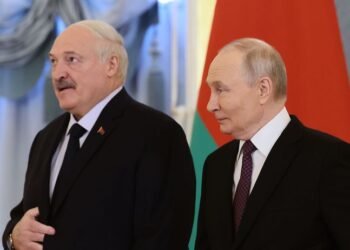
    The owners of apartments with their own heating, who years ago legally disconnected from the central heat source, experience great satisfaction. The Constitutional Court of the Slovak Republic, under the leadership of President Ivan Fiačan, issued a long-awaited ruling in May, definitively sweeping the questionable parts of the ministerial decree off the table.

    READ ALSO

    Would you uncover a secret that could change the world forever? Spielberg tried again

    It was founded by Jewish brothers, confiscated by fascists and communists and buried by developers

    USEFUL TRUTH: Do they ask you for your ID at the hotel? Maybe they are making a mistake that you don’t have to tolerate

    Video

    We click on the ‘I agree’ button just to have peace of mind, we send sensitive health data via Messenger, and we have ID cards copied without saying a word in hotels. Although we often think that no one cares about our data, the opposite is true. / Source: TV Pravda

    They have been forcing disconnected apartments to pay disproportionately high sums for the heat of their neighbors for a long time. The decision of the court in Košice is a clear signal for the entire state administration that if it wants to impose financial obligations on citizens and interfere with their property, it must do so in a clean way through parliament, and not through official decrees. The unfairness in the system was pointed out by a group of 32 members of the National Council of the Slovak Republic, which the court fully upheld.

    As a state, it created a trap for the wallets of disconnected apartments

    The whole problem flared up after the new heat budgeting rules came into force in mid-December 2024, brought about by the decree of the Ministry of Economy of the Slovak Republic No. 503/2022 Coll. Simply put, even if the citizen had an apartment with individual heating and was completely disconnected from the common heating system of the apartment building, the state forced him to participate financially in the so-called basic component of the heat costs of the entire apartment building.

    seniors, pensioners, relaxation, vacation Read more Recreation voucher in the amount of 275 euros for seniors. Who is entitled to the contribution and what you can use it for

    Officials used charts and formulas to figure it out. The floor area of ​​the disconnected apartment was multiplied by a coefficient from 0.2 to 1.0, depending on where exactly the property was located in the apartment building, whether it was an attic, a ground floor or an apartment without passing common distribution lines. In practice, it happened that the owners of disconnected apartments paid enormous sums for joint heating, while their bills were often comparable or even higher than those of neighbors who actually took heat from radiators connected to a central source. The Ministry defended this step with physics, namely the transfer and penetration of heat through the walls, from which the disconnected apartments were supposed to benefit.

    Long-term practice or other laws will not stand as an excuse

    The Ministry of Economy defended itself before the Constitutional Court of the Slovak Republic by saying, among other things, that payments for apartments with individual heating were nothing new and were already introduced in the legislation in 2005. However, the court resolutely rejected this argument. In the justification, the judges clearly stated that the long-term existence of some legal regulation in the decree does not justify the conclusion of its compliance with the constitution and the law without further ado. In other words, just because a state has been doing something wrong and illegal for years does not automatically give it the right to continue doing it.

    The ministry’s attempt to hide behind the law on ownership of apartments and non-residential premises was equally unsuccessful. Officials tried to claim that this law gives them support for their interpretation, but according to the Constitutional Court of the Slovak Republic, this was an unreasonably extensive interpretation by the ministry. The Act on the ownership of flats contains only a basic definition of a common device, which is also a device for the production of heat in the house, regulates payments for real supplies of heat and hot water and stipulates the obligation to allow access to the flat for the installation or maintenance of meters. With the exception of one provision, which deals exclusively with consent to disconnection from common heating distributions, this law does not specify any special obligations or financial burdens for the owners of disconnected apartments.

    When officials rewrite and supplement the will of Parliament

    The court’s decision brings an important lesson from constitutional law and the functioning of the rule of law. In order to impose any obligation on a citizen, it is in no way sufficient that the law prohibits the imposition of such an obligation. The Constitution requires the explicit imposition of the obligation directly in the law. Although the power of attorney in the Act on Thermal Energy did not explicitly prohibit, due to the lack of specification of the subjects, that the budgeting of costs by decree should also apply to disconnected apartments, this did not give the officials a free hand.

    Seniors, calculation, pension Read more Slovaks are missing years of service in the pension forecast. This is how they can be supplemented. And what to do if the company no longer exists?

    The legal regulation must be sufficiently comprehensible and predictable for its addressee by itself, i.e. even without an implementing decree. Deducing from the current law on thermal energy that disconnected apartments should also share in the costs was only possible using an extremely loose interpretation with a lot of implicit assumptions. However, the Act on Thermal Energy does not sufficiently and certainly not name these apartments and their owners. With its decree, the Ministry did not just create a kind of secondary technical obligation, but instead of making it more specific, it unjustifiably added a completely new range of recipients to whom the law itself does not impose any obligations. In short, according to the Act on Thermal Energy, the owners of disconnected apartments cannot be considered final consumers, since they do not take any heat directly from the central source.

    Encroachment on property and a stopgap for the silent arbitrariness of the executive power

    Since the decree forced people to pay without a proper and clear legal basis, the constitutional judges concluded that the contested provisions impermissibly interfered with the property sphere of owners of detached apartments. They imposed a financial burden on them and interfered with their sphere of disposition to dispose of their own property, which they lost as a result of payments not foreseen by law. Therefore, the twilight clauses of the decree contradicted the protection of property rights guaranteed by the Constitution and the Additional Protocol.

    The Constitutional Court went even further and, on the basis of the Act on the Constitutional Court, declared unconstitutional not only the challenged paragraphs in section 8, but in a direct substantive context also canceled the provision of section 7, paragraph 5 of the decree, originally unobjected to by the petitioners. It also illegally ordered to calculate the basic component between detached apartments and non-residential premises. On the other hand, the court did not comply with the proposal of the deputies to declare inconsistency with the principle of legal certainty, because the very question of bearing part of the costs due to heat transfers has its own logic and the intensity of the misconduct did not reach such a level as to deny the foundations of the functioning of the rule of law as a whole.

    It is not a tax, paying for heat is legitimate, but the parliament must decide

    An interesting moment of the entire ruling is that the court rejected the argument according to which these forced payments would be in the nature of an illegal tax or fee. The payment is made for the heat actually supplied to the object. The equivalence here consists in the form of delivered heat on the one hand and payment of the costs of its delivery on the other hand, which does not meet the definition of tax according to the constitution. The problem wasn’t the fact that detached apartments should pay anything at all, but the way the state required them to do so.

    The question of whether the apartment owner can disconnect from the heating system and what rights and obligations he has in relation to other neighbors in the house in connection with heating costs is not just a purely expert question for ministerial officials. It is an important issue of public policy in energy. The essence of the law’s proviso is that interference with the rights of individuals should not only be a closed technocratic decision of the ministry as an executive power body, but the result of a democratic decision and a broad debate in parliament. The court confirmed that it appears to be fully legitimate for the owners of detached apartments or apartments with individual heating to bear part of the costs due to the physical characteristics of the buildings, but such an obligation must be regulated stably, predictably and fairly directly in the law.

    What will follow and what it means for practice in apartment buildings

    The annulled provisions of the decree lose their effectiveness on the exact day when this finding is published in the Collection of Laws of the Slovak Republic. The Ministry of Economy has exactly six months from this moment to bring the decree into compliance with the Constitution and the legal opinion expressed by the Constitutional Court. If he does not do so within the specified period, these disputed paragraphs will lose their validity permanently and will definitively disappear.

    Chat GPT Image 29/03/2026 20 14 15 Read more A revolution in the labor market. We are facing the extinction of 92 million positions. Find out if yours is safe

    This has immediate consequences for ordinary citizens and apartment building managers. Valid decisions that have already been issued in civil or administrative court proceedings in the past and where these unconstitutional sections were applied remain formally intact, but the obligations imposed by such decisions can no longer be forcibly enforced, for example through executions. At the same time, it is clear from this unenforceability that, based on the unconstitutional provisions of the decree, administrators, housing cooperatives and courts cannot impose any new obligations on the owners of detached apartments or issue new decisions on payment regulations. No appeal can be filed against this decision of the Constitutional Court of the Slovak Republic, the verdict is final and binding on the state authorities. The executive power has been taught a lesson and the ball is now in the court of the legislators, who will have to prepare a truly fair law.




    Source link

    Related Posts

    Slovakia

    Would you uncover a secret that could change the world forever? Spielberg tried again

    June 17, 2026
    Slovakia

    It was founded by Jewish brothers, confiscated by fascists and communists and buried by developers

    June 16, 2026
    Unexpected words of a close ally of Putin: Lukashenko spoke about the harsh reality on the front – World – News
    Slovakia

    Unexpected words of a close ally of Putin: Lukashenko spoke about the harsh reality on the front – World – News

    June 16, 2026
    Slovakia

    People screamed that he would end up in hell. Slovak woman accepted Islam, helps in Africa after death threats

    June 16, 2026
    A new ten-euro note will be added in July. A portrait of a famous poet will appear to her, this is what it will look like – Consumer – Useful truth
    Slovakia

    A new ten-euro note will be added in July. A portrait of a famous poet will appear to her, this is what it will look like – Consumer – Useful truth

    June 16, 2026
    Slovakia

    Five questions for Lasky from Pary: About music, help in difficult times and good things that always find a way

    June 16, 2026
    Next Post

    Would you uncover a secret that could change the world forever? Spielberg tried again

    POPULAR NEWS

    Al-Riyadh newspaper | The “Saudi Economy” preserves the rights of future generations with a comprehensive planning vision

    Al-Riyadh newspaper | The “Saudi Economy” preserves the rights of future generations with a comprehensive planning vision

    June 16, 2026
    Yellow warning for thunderstorms in Andorra today and tomorrow afternoon

    Yellow warning for thunderstorms in Andorra today and tomorrow afternoon

    June 16, 2026
    Half an hour is enough for fraudsters to trap nearly one in two Internet users in Morocco

    Half an hour is enough for fraudsters to trap nearly one in two Internet users in Morocco

    June 17, 2026
    The Ministry of Water and Environment receives tanks to transport water, with support from the Algerian state of Tindouf

    The Ministry of Water and Environment receives tanks to transport water, with support from the Algerian state of Tindouf

    June 17, 2026
    President of Republic extends condolences to family of prominent activist Jean Ziegler

    President of Republic extends condolences to family of prominent activist Jean Ziegler

    June 17, 2026

    EDITOR'S PICK

    Armando Sá talks about his debut at the World Cup and points to his success: “Portugal is extremely prepared to reach the final”

    Armando Sá talks about his debut at the World Cup and points to his success: “Portugal is extremely prepared to reach the final”

    June 16, 2026
    Launching the disbursement of the ninth batch of support for community initiatives in the districts of the western sector in Sana’a

    Launching the disbursement of the ninth batch of support for community initiatives in the districts of the western sector in Sana’a

    June 17, 2026
    UDP Calls for Mira’s Resignation After Deadly Weekend

    UDP Calls for Mira’s Resignation After Deadly Weekend

    June 16, 2026
    Latakia festival showcases talents of people with disabilities and orphans

    Latakia festival showcases talents of people with disabilities and orphans

    June 16, 2026

    Recent Posts

    • Half an hour is enough for fraudsters to trap nearly one in two Internet users in Morocco
    • The Ministry of Water and Environment receives tanks to transport water, with support from the Algerian state of Tindouf
    • President of Republic extends condolences to family of prominent activist Jean Ziegler
    • Markets are waiting for the determination of new interest rates

      © 2026 Agentially - Navigating shifting sovereignties and global risk .

      Welcome Back!

      Login to your account below

      Forgotten Password?

      Retrieve your password

      Please enter your username or email address to reset your password.

      Log In
      No Result
      View All Result

        © 2026 Agentially - Navigating shifting sovereignties and global risk .

        This website uses cookies. By continuing to use this website you are giving consent to cookies being used. Visit our Privacy and Cookie Policy.