Tuesday, June 16, 2026
    The GeoStrategic Consensus
    No Result
    View All Result
    • Login
    • HOME
    • AMERICAS
      • Argentina
      • Brazil
      • Canada
      • Chile
      • Colombia
      • Costa Rica
      • Cuba
      • Dominican Republic
      • Ecuador
      • El Salvador
      • Greenland
      • Guatemala
      • Honduras
      • Mexico
      • Nicaragua
      • Panama
      • Paraguay
      • Peru
      • United States
      • Uruguay
      • Venezuela
    • ASIA-PACIFIC
      • Australia
      • Brunei Darussalam
      • Cambodia
      • China
      • Federated States of Micronesia
      • Fiji
      • Indonesia
      • Japan
      • Kiribati
      • Laos
      • Malaysia
      • Marshall Islands
      • Mongolia
      • Myanmar
      • Nauru
      • New Zealand
      • North Korea
      • Palau
      • Papua New Guinea
      • Philippines
      • Samoa
      • Singapore
      • Solomon Islands
      • South Korea
      • Taiwan
      • Thailand
      • Timor-Leste
      • Tonga
      • Tuvalu
      • Vanuatu
      • Vietnam
    • CARICOM
      • CARICOM – Non-English
        • Haiti
        • Suriname
      • CARICOM Associates
        • Anguilla
        • Bermuda
        • British-Virgin-Islands
        • Cayman-Islands
        • Curacao
        • Turks-and-Caicos
      • CARICOM English
        • Antigua and Barbuda
        • Barbados
        • Belize
        • Dominica
        • Grenada
        • Guyana
        • Jamaica
        • Montserrat
        • Saint Kitts and Nevis
        • Saint Lucia
        • Saint Vincent and the Grenadines
        • The Bahamas
        • Trinidad and Tobago
    • EURASIA
      • Armenia
      • Azerbaijan
      • Balarus
      • Georgia
      • Kazakhstan
      • Kyrgyzstan
      • Moldova
      • Russia
      • Tajikistan
      • Turkmenistan
      • Ukraine
      • Uzbekistan
    • EUROPE
      • Albania
      • Andorra
      • Austria
      • Bosnia and Herzegovina
      • Bulgaria
      • Croatia
      • Cyprus
      • Czech Republic
      • Denmark
      • Estonia
      • Finland
      • France
      • Germany
      • Greece
      • Holy See
      • Hungary
      • Iceland
      • Ireland
      • Italy
      • Kosovo
      • Latvia
      • Liechtenstein
      • Lithuania
      • Luxembourg
      • Malta
      • Monaco
      • Montenegro
      • Netherlands
      • North Macedonia
      • Norway
      • Poland
      • Portugal
      • Romania
      • San Marino
      • Serbia
      • Slovakia
      • Slovenia
      • Spain
      • Sweden
      • Switzerland
      • United Kingdom
    • MIDDLE EAST AND NORTH AFRICA
      • Algeria
      • Bahrain
      • Egypt
      • Iran
      • Iraq
      • Israel
      • Jordan
      • Kuwait
      • Lebanon
      • Lybia
      • Morocco
      • Oman
      • Palestinian Territories
      • Qatar
      • Saudi Arabia
      • Syria
      • Tunisia
      • Turkey
      • United Arab Emirates
      • Western Sahara
      • Yemen
    • SOUTH ASIA
      • Afghanistan
      • Bangladesh
      • Bhutan
      • India
      • Maldives
      • Nepal
      • Pakistan
      • Sri Lanka
    • SUB-SAHARAN AFRICA
      • Angola
      • Benin
      • Botswana
      • Burkina Faso
      • Burundi
      • Cabo Verde
      • Cameroon
      • Central African Republic
      • Chad
      • Comoros
      • Cote d’Ivoire
      • Democratic Republic of the Congo
      • Djibouti
      • Equatorial Guinea
      • Eritrea
      • Eswatini
      • Ethiopia
      • Gabon
      • Gambia
      • Ghana
      • Guinea
      • Guinea Bissau
      • Kenya
      • Lesotho
      • Liberia
      • Madagascar
      • Malawi
      • Mali
      • Mauritania
      • Mauritius
      • Mozambique
      • Namibia
      • Niger
      • Nigeria
      • Republic of the Congo
      • Rwanda
      • Sao Tome and Principe
      • Senegal
      • Seychelles
      • Sierra Leone
      • Somalia
      • South Africa
      • South Sudan
      • Sudan
      • Tanzania
      • Togo
      • Uganda
      • Zambia
      • Zimbabwe
    • HOME
    • AMERICAS
      • Argentina
      • Brazil
      • Canada
      • Chile
      • Colombia
      • Costa Rica
      • Cuba
      • Dominican Republic
      • Ecuador
      • El Salvador
      • Greenland
      • Guatemala
      • Honduras
      • Mexico
      • Nicaragua
      • Panama
      • Paraguay
      • Peru
      • United States
      • Uruguay
      • Venezuela
    • ASIA-PACIFIC
      • Australia
      • Brunei Darussalam
      • Cambodia
      • China
      • Federated States of Micronesia
      • Fiji
      • Indonesia
      • Japan
      • Kiribati
      • Laos
      • Malaysia
      • Marshall Islands
      • Mongolia
      • Myanmar
      • Nauru
      • New Zealand
      • North Korea
      • Palau
      • Papua New Guinea
      • Philippines
      • Samoa
      • Singapore
      • Solomon Islands
      • South Korea
      • Taiwan
      • Thailand
      • Timor-Leste
      • Tonga
      • Tuvalu
      • Vanuatu
      • Vietnam
    • CARICOM
      • CARICOM – Non-English
        • Haiti
        • Suriname
      • CARICOM Associates
        • Anguilla
        • Bermuda
        • British-Virgin-Islands
        • Cayman-Islands
        • Curacao
        • Turks-and-Caicos
      • CARICOM English
        • Antigua and Barbuda
        • Barbados
        • Belize
        • Dominica
        • Grenada
        • Guyana
        • Jamaica
        • Montserrat
        • Saint Kitts and Nevis
        • Saint Lucia
        • Saint Vincent and the Grenadines
        • The Bahamas
        • Trinidad and Tobago
    • EURASIA
      • Armenia
      • Azerbaijan
      • Balarus
      • Georgia
      • Kazakhstan
      • Kyrgyzstan
      • Moldova
      • Russia
      • Tajikistan
      • Turkmenistan
      • Ukraine
      • Uzbekistan
    • EUROPE
      • Albania
      • Andorra
      • Austria
      • Bosnia and Herzegovina
      • Bulgaria
      • Croatia
      • Cyprus
      • Czech Republic
      • Denmark
      • Estonia
      • Finland
      • France
      • Germany
      • Greece
      • Holy See
      • Hungary
      • Iceland
      • Ireland
      • Italy
      • Kosovo
      • Latvia
      • Liechtenstein
      • Lithuania
      • Luxembourg
      • Malta
      • Monaco
      • Montenegro
      • Netherlands
      • North Macedonia
      • Norway
      • Poland
      • Portugal
      • Romania
      • San Marino
      • Serbia
      • Slovakia
      • Slovenia
      • Spain
      • Sweden
      • Switzerland
      • United Kingdom
    • MIDDLE EAST AND NORTH AFRICA
      • Algeria
      • Bahrain
      • Egypt
      • Iran
      • Iraq
      • Israel
      • Jordan
      • Kuwait
      • Lebanon
      • Lybia
      • Morocco
      • Oman
      • Palestinian Territories
      • Qatar
      • Saudi Arabia
      • Syria
      • Tunisia
      • Turkey
      • United Arab Emirates
      • Western Sahara
      • Yemen
    • SOUTH ASIA
      • Afghanistan
      • Bangladesh
      • Bhutan
      • India
      • Maldives
      • Nepal
      • Pakistan
      • Sri Lanka
    • SUB-SAHARAN AFRICA
      • Angola
      • Benin
      • Botswana
      • Burkina Faso
      • Burundi
      • Cabo Verde
      • Cameroon
      • Central African Republic
      • Chad
      • Comoros
      • Cote d’Ivoire
      • Democratic Republic of the Congo
      • Djibouti
      • Equatorial Guinea
      • Eritrea
      • Eswatini
      • Ethiopia
      • Gabon
      • Gambia
      • Ghana
      • Guinea
      • Guinea Bissau
      • Kenya
      • Lesotho
      • Liberia
      • Madagascar
      • Malawi
      • Mali
      • Mauritania
      • Mauritius
      • Mozambique
      • Namibia
      • Niger
      • Nigeria
      • Republic of the Congo
      • Rwanda
      • Sao Tome and Principe
      • Senegal
      • Seychelles
      • Sierra Leone
      • Somalia
      • South Africa
      • South Sudan
      • Sudan
      • Tanzania
      • Togo
      • Uganda
      • Zambia
      • Zimbabwe
    No Result
    View All Result
    Agentially
    No Result
    View All Result
    Home CARICOM CARICOM English Dominica

    COMMENTARY: Democracy beyond antagonism and pernicious polarization – Rethinking political engagement in Dominica

    The Analyst by The Analyst
    June 16, 2026
    in Dominica
    COMMENTARY: Democracy beyond antagonism and pernicious polarization – Rethinking political engagement in Dominica


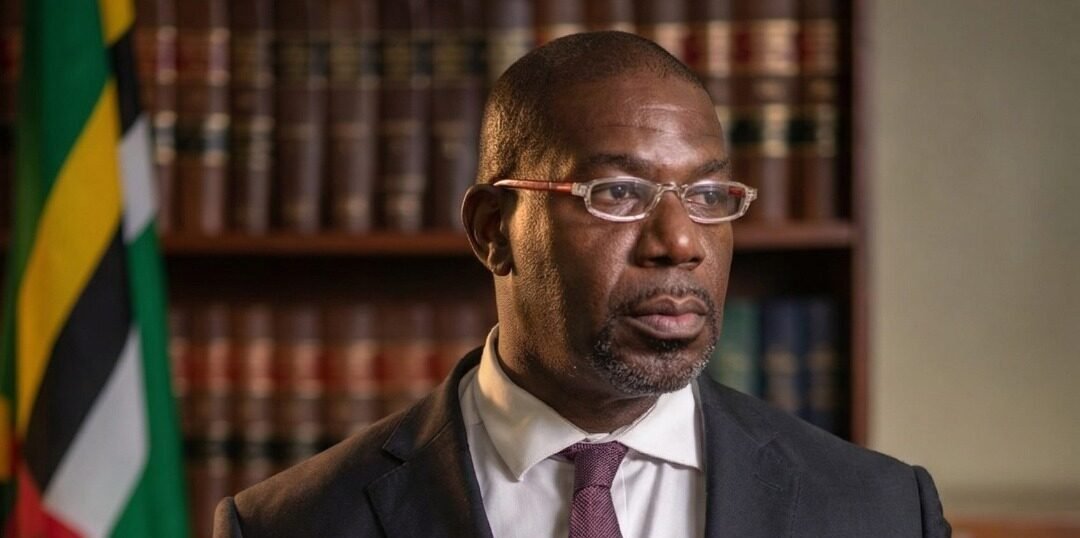
    Amb. Dr. Gérard Jean-Jacques (PhD, Political Science)

    Disclaimer: The views expressed in this article are solely those of the authors and do not  necessarily reflect the views of Duravision Inc., Dominica News Online, or any of its subsidiary brands

    READ ALSO

    Project launched to strengthen protection of Morne Diablotin National Park

    LIVE: Conversation on the The Liturgy of Domestic Church Life

    The optics of recent back-to-back public engagement by the DLP-led Government of two stalwarts of the opposition United Workers Party (UWP) have clearly been too much for many supporters of the UWP. Some are irate, opposition media seems eager to chicken-dance around the images, other supporters are visibly hurt; even at times appearing to be, in local parlance, toumantay. Too many see it as betrayal by their former heroes. For others who do not support the UWP, the engagement appears, at the least, “curious.” Both interpretations of the engagements suggest one thing: To many Dominicans, there should be no interaction and political accommodation between members of the
    incumbent Dominica Labour Party (DLP) and those of the opposition, especially the UWP.

    Curiously, many who oppose political collaboration between actors of opposing sides actually call for collaboration among all opposing actors to topple the incumbent. Collaboration, then, seems to be only healthy and necessary when it serves to reduce the political capital and authority of the incumbent.

    This is dangerous thinking! A mental frame like this is counterproductive and anti-democratic. It presumes that political conflict; that is, disagreements between political actors, must be sustained and permanent with little regard for the national good. This approach is self-interest-driven and elitist and cannot lead to national development. Second, a mental frame that sees the opponent as an enemy logically leads to the dismissal of any possible contribution of that opponent, “the other,” to the process of national development, depriving the state of an additional bank of resources to pursue national development goals. The question, therefore, for Dominicans is: who benefits when opposing political actors in Dominica continue to fight and eye each other with distrust? A corollary question is: what must we do to prevent anti-democratic forces from maneuvering to capture the democratic process and stymie our march to prosperity?

    The answers begin with a recognition that democracy was never designed to institutionalize permanent hostility. Rather, democracy exists to manage disagreement peacefully while enabling collective action in pursuit of the common good. Contemporary scholarship on political polarization demonstrates that when politics becomes organized around an “us versus them” mentality, democratic institutions begin to weaken. Political scientists Jennifer McCoy, Tahmina Rahman, and Murat Somer argue that severe polarization transforms ordinary political differences into mutually hostile identities, causing citizens and political actors to view each other not as competitors but as enemies (See Polarization and the Global Crisis of Democracy: Common Patterns, Dynamics, and Pernicious Consequences for Democratic Polities). In such circumstances, compromise and collaboration become betrayal, dialogue becomes weakness, and governance becomes increasingly difficult. The result is often democratic erosion, institutional paralysis, and declining public trust in government.

    This observation is especially relevant for small island developing states such as Dominica. Unlike large countries with vast populations, mature democratic institutions, and extensive resource bases, small states depend heavily on social cohesion, political stability, and efficient governance. Every capable citizen, regardless of political affiliation, represents a valuable national asset. When political conflict becomes weaponised and sustained, the nation effectively chooses to leave part of its human capital unused, political loyalty becomes more important than competence, and opportunities for collaboration are sacrificed on the altar of partisan rivalry.

    The Caribbean provides numerous examples of how excessive political antagonism can hinder development. In several territories, election cycles have often been characterized by intense partisan mobilization that leaves societies deeply divided long after ballots are counted. Governments expend considerable political energy defending themselves against opponents, while oppositions dedicate substantial resources to weakening incumbents rather than contributing constructively to national problem-solving. In these circumstances, public policy becomes a casualty of political warfare. Long-term development plans are abandoned whenever governments change, and projects are evaluated not on their merit but on which political party proposed them.

    The experience of Jamaica during periods of extreme political tribalism in the 1970s and 1980s offers a cautionary lesson. Political competition became so intense that communities were frequently identified by party allegiance, contributing to social fragmentation and violence. The developmental consequences were significant, as political instability discouraged investment and undermined confidence in public institutions. While Jamaica has made important strides in reducing political violence and strengthening democratic norms, its history demonstrates the high costs of allowing political conflict to become entrenched in social life.

    Similarly, the political crises experienced in Guyana over several decades illustrate how ethnic and partisan polarization can complicate governance and delay development. When political competition is perceived as a zero-sum struggle for survival rather than a contest of ideas, distrust deepens, and national consensus becomes difficult to achieve. Developmental priorities often become secondary to partisan calculations.

    The academic literature confirms what these Caribbean experiences suggest: The most dangerous form of political conflict is not disagreement itself but what scholars call “pernicious polarization,” a condition in which society divides into hostile camps that increasingly distrust one another and become willing to undermine democratic norms in pursuit of victory (see Toward a Theory of Pernicious Polarization and How It Harms Democracies: Comparative Evidence and Possible Remedies). Such polarization often encourages political entrepreneurs to mobilize supporters through fear, resentment, and demonization of opponents. Over time, democratic institutions become weakened because citizens begin to value partisan success above democratic principles.

    This reality should concern all Dominicans. If every interaction between members of opposing political parties is interpreted as betrayal, then democracy itself becomes impoverished. Healthy democracies require competition, but they also require cooperation. Indeed, some of the most successful democracies in the world have flourished precisely because political actors recognize that while they may disagree on methods, they share responsibility for the nation’s future.

    Governments and oppositions often collaborate on national security, economic development, disaster response, education reform, and constitutional matters. Such cooperation does not eliminate political competition; rather, it ensures that competition serves national development instead of undermining it.

    The dangers of sustained political conflict extend beyond policy paralysis. Polarization also creates opportunities for anti-democratic actors to manipulate public sentiment. When citizens become convinced that opponents are enemies rather than fellow citizens, they become more willing to support undemocratic actions against those opponents. Research demonstrates that highly polarized societies are more vulnerable to democratic backsliding because political leaders can justify attacks on institutions, restrictions on dissent, and the erosion of democratic norms by portraying rivals as existential threats (see Déjà vu? Polarization and Endangered Democracies in the 21st Century; see also Rethinking Political Polarization).

    For small developing states, this danger is particularly acute. Political instability discourages foreign investment, weakens confidence in institutions, and distracts governments from addressing pressing issues such as economic diversification, climate resilience, youth unemployment, education, healthcare, and technological innovation. Dominica, like many Caribbean nations, faces significant development challenges that require national unity and collective effort. Climate change alone demands unprecedented levels of cooperation among political actors, private sector leaders, civil society organizations, and citizens. No single political party possesses all the ideas, expertise, or resources necessary to secure the country’s future. The path forward, therefore, requires a fundamental reimagining of political engagement.

    Dominicans must reject the notion that permanent conflict is a sign of democratic health. Democracy is healthiest when disagreement coexists with mutual respect, institutional trust, and a shared commitment to national advancement. Political actors should be encouraged—not condemned—when they engage each other constructively across partisan lines. Citizens should judge political leaders not by the intensity of their hostility toward opponents but by their capacity to solve problems, build consensus, and advance the public good.

    Ultimately, the greatest beneficiaries of sustained political conflict are rarely ordinary citizens. Rather, they are political elites and opportunists who thrive on division, fear, and distrust. Meanwhile, the broader society bears the costs through lost opportunities, weakened institutions, delayed development, and diminished democratic quality. Dominica’s future prosperity depends not on the perpetual defeat of one political camp by another but on the ability of all citizens to recognize that national development is a shared enterprise.

    The central challenge before Dominicans is therefore not how to intensify and weaponise political conflict but how to transform political competition into a productive force for national progress. By resisting the weaponisation of political differences, encouraging dialogue across partisan boundaries, and placing national development above narrow partisan interests, Dominica can strengthen both its democracy and its prospects for prosperity. The nation must choose between a politics of permanent antagonism and a politics of constructive engagement. History, scholarship, and Caribbean experience all suggest that only the latter can deliver sustainable development and democratic maturity.


    Ambassador Dr. Gerard Jean-Jacques (PhD/Political Science, Université Laval, Quebec, Canada) is Ambassador to CARICOM and Commissioner to the OECS Areas of Specialization: Public Policy and Public Management, Democracy, Public Governance, and Power Relations



    Source link

    Related Posts

    Project launched to strengthen protection of Morne Diablotin National Park
    Dominica

    Project launched to strengthen protection of Morne Diablotin National Park

    June 16, 2026
    LIVE: Conversation on the The Liturgy of Domestic Church Life
    Dominica

    LIVE: Conversation on the The Liturgy of Domestic Church Life

    June 15, 2026
    UWP leader commends Miriam Blanchard for ‘valuable’ service
    Dominica

    UWP leader commends Miriam Blanchard for ‘valuable’ service

    June 15, 2026
    OP-ED: The personal responsibility trap
    Dominica

    OP-ED: The personal responsibility trap

    June 15, 2026
    COMMENTARY: Elderly Abuse Awareness Day
    Dominica

    COMMENTARY: Elderly Abuse Awareness Day

    June 15, 2026
    Police identify body of foreign national found in Ti-Bay area
    Dominica

    Police identify body of foreign national found in Ti-Bay area

    June 15, 2026
    Next Post
    Including Lebanon: US and Iran reach deal to end war, reopen Hormuz

    Including Lebanon: US and Iran reach deal to end war, reopen Hormuz

    POPULAR NEWS

    Halls from Istanbul: European integration brings new opportunities for investment and economic growth

    Halls from Istanbul: European integration brings new opportunities for investment and economic growth

    June 15, 2026
    The National Bank added three new currencies to the list of official rates – Tazabek

    The National Bank added three new currencies to the list of official rates – Tazabek

    June 15, 2026
    “The national holiday will be anything but run-of-the-mill”

    “The national holiday will be anything but run-of-the-mill”

    June 15, 2026
    Samoan Officer Takes Part in Major Pacific Fisheries Control Operation

    Samoan Officer Takes Part in Major Pacific Fisheries Control Operation

    June 15, 2026
    Site seeks intelligence from Chinese

    Site seeks intelligence from Chinese

    June 16, 2026

    EDITOR'S PICK

    UFC Freedom 250 LIVE: Donald Trump celebrates 80th birthday with Iran deal, White House cage fight

    UFC Freedom 250 LIVE: Donald Trump celebrates 80th birthday with Iran deal, White House cage fight

    June 16, 2026
    Aftermath of Ukrainian drone attack on Russian regions, casualties in Krasnodar Region – Russian Politics & Diplomacy

    Aftermath of Ukrainian drone attack on Russian regions, casualties in Krasnodar Region – Russian Politics & Diplomacy

    June 15, 2026
    Accès restreint – Le Monde

    Accès restreint – Le Monde

    June 16, 2026
    Apache Pizza adding 120 jobs as it plots expansion – The Irish Times

    Apache Pizza adding 120 jobs as it plots expansion – The Irish Times

    June 15, 2026

    Recent Posts

    • Site seeks intelligence from Chinese
    • RM1 interbank ATM withdrawal fee to be abolished from July 1
    • Rain forecast for Cambodia
    • Fuel price hike puts further strain on workers, economy – Economy

      © 2026 Agentially - Navigating shifting sovereignties and global risk .

      Welcome Back!

      Login to your account below

      Forgotten Password?

      Retrieve your password

      Please enter your username or email address to reset your password.

      Log In
      No Result
      View All Result

        © 2026 Agentially - Navigating shifting sovereignties and global risk .

        This website uses cookies. By continuing to use this website you are giving consent to cookies being used. Visit our Privacy and Cookie Policy.