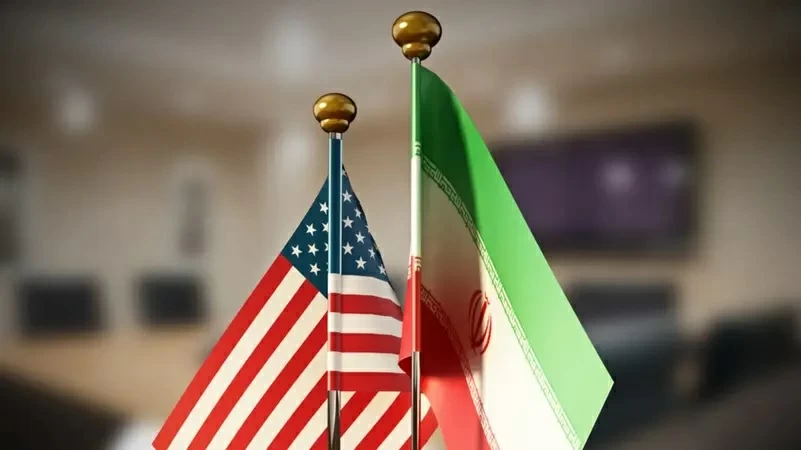
As the world’s eyes turn to the signing of the memorandum of understanding between America and Iran “remotely” today, Sunday, some thorny files and issues are still pending and shrouded in mystery.
American and Iranian sources revealed that there were major differences over the memorandum, which left many questions about the potential agreement unanswered, according to what CNN reported.
The American network saw that the most prominent thorny issue that might hinder the agreement is the Strait of Hormuz, as an American official announced that the passage would be opened when the agreement was signed, and that Iran would not be allowed to impose transit fees, but he did not specify the party that would supervise the navigation movement. At a time, Iranian media confirmed that the reopening of Hormuz would be under Iranian management, a condition that Washington has repeatedly rejected.
Regarding the fate of the nuclear program and highly enriched uranium, an official in the US administration confirmed that “the Iranian nuclear program will be dismantled, and the nuclear materials will be destroyed, removed or transferred,” in reference to highly enriched uranium. But Tehran announced more than once that the nuclear issue, including highly enriched uranium, would be discussed during a period of negotiations extending 60 days after the signing of the memorandum of understanding. Tehran adheres to what it calls the country’s right to enrich uranium, and refuses to transfer its highly enriched uranium stock abroad.
Regarding the Iranian funds frozen abroad, the American official said, “None of the funds will be released before Iran fulfills its obligations,” pointing out that easing sanctions will depend on Tehran’s compliance, meaning that there is no money before the American side confirms the Iranian steps.
However, Iranian Foreign Ministry spokesman Ismail Baghaei confirmed yesterday that the release of funds is an integral part of the agreement. He pointed out that his country would have to impose fees on services in the Strait of Hormuz. He added that foreign military bases in the region should end, without providing details, according to what was reported by Fars Agency.
Regarding the Lebanese file, the Iranian side confirmed that it was included in the memorandum of understanding, but Israel repeatedly stressed its commitment to separating the Iranian track from the Lebanese one. Israeli Defense Minister Yisrael Katz stressed that his country will not withdraw from the security areas in Lebanon, Syria and Gaza, and will continue to “defend itself,” in reference to freedom of movement in Lebanon against Hezbollah.
As the world’s attention turns to the signing of the memorandum of understanding between the US and Iran “remotely” today, Sunday, some files and contentious issues remain unresolved and shrouded in ambiguity.
American and Iranian sources have revealed significant disagreements regarding the memorandum, leaving many questions about the potential agreement unanswered, according to CNN.
The American network noted that one of the most contentious issues that could hinder the agreement is the Strait of Hormuz, as an American official announced that the passage would be opened upon the signing of the agreement, and that Iran would not be allowed to impose transit fees. However, he did not specify which party would oversee maritime traffic. Meanwhile, Iranian media confirmed that the reopening of the Strait would be under Iranian administration, a condition that Washington has repeatedly rejected.
Regarding the fate of the nuclear program and highly enriched uranium, a US official confirmed that “the Iranian nuclear program will be dismantled, and nuclear materials will be destroyed, removed, or transferred,” referring to the highly enriched uranium. However, Tehran has stated multiple times that the nuclear issue, including highly enriched uranium, will be discussed during a negotiation period extending 60 days after the signing of the memorandum of understanding. Tehran insists on what it calls the country’s right to enrich uranium and refuses to transfer its stockpile of highly enriched uranium abroad.
Concerning the Iranian funds frozen abroad, the American official stated that “none of the funds will be released until Iran fulfills its commitments,” noting that the easing of sanctions will depend on Tehran’s compliance, meaning that there will be no funds until the American side is assured of Iran’s actions.
However, Iranian Foreign Ministry spokesman Ismail Baqai confirmed yesterday that the release of funds is an integral part of the agreement. He pointed out that his country would be forced to charge fees on services in the Strait of Hormuz. He added that foreign military bases in the region must end without providing details, according to what was reported by the Fars news agency.
Regarding the Lebanese file, the Iranian side confirmed that it is included in the memorandum of understanding, but Israel has repeatedly asserted its commitment to separating the Iranian track from the Lebanese one. Israeli Defense Minister Israel Katz emphasized that his country would not withdraw from the security areas in Lebanon, Syria, and Gaza, and would continue to “defend itself,” referring to freedom of movement in Lebanon against Hezbollah.