Monday, May 25, 2026, 09:59
6709 readings

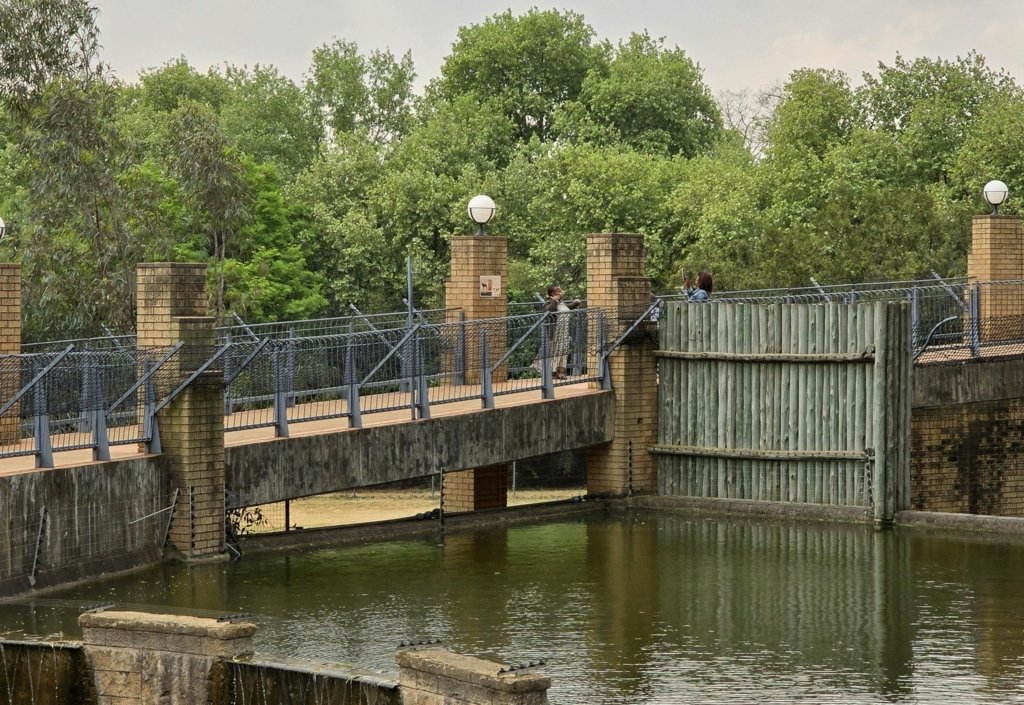
600 dams demolished in Europe to “release” the evils PHOTO Pexels
More than 600 dams or other constructions that interrupt river courses have been removed in 2025 across Europe, according to the Dam Removal Europe report. Specialists say that the benefits of restoring river courses are not limited to fauna, and removing dams often helps prevent flooding. The countries that have made the most progress in the field are Sweden, Finland, Spain, Denmark, Great BritainFrance and Germany.
For the fifth consecutive year, the number of dams demolished in Europe has increased, but it is not just large dams, but various types of construction that interrupt the flow of water, including dams, bridges and locks several meters high.
Europe currently has over a million dams and other constructions that interrupt the natural course of rivers, but their demolition is accelerating.
In 2025, at least 603 such constructions were removed, reconnecting more than 3,740 kilometers of rivers. The effects include a positive impact for biodiversity, along with increasing the security of drinking water and the ability of the environment to recover.
“People are increasingly understanding that aging dams are not monuments that must stand forever. Many are simply aging industrial relics that continue to cause ecological damage,” explained Chris Baker, director of the European branch of Wetlands International, quoted by The Guardian.
The most dams were removed in Sweden (173), Finland (143) and Spain (109). In Denmark, river courses were restored by removing 46 obstacles, in Great Britain 35, in France 31 and in Germany 15.
Iceland and Macedonia joined the project for the first time, including demolishing an old power plant that had become a sheep shelter.
The removal of old barriers on rivers has accelerated after the European Union passed the law for restoring nature in 2024. The ambitious goal is to restore 25,000 kilometers of free-flowing rivers by 2030.