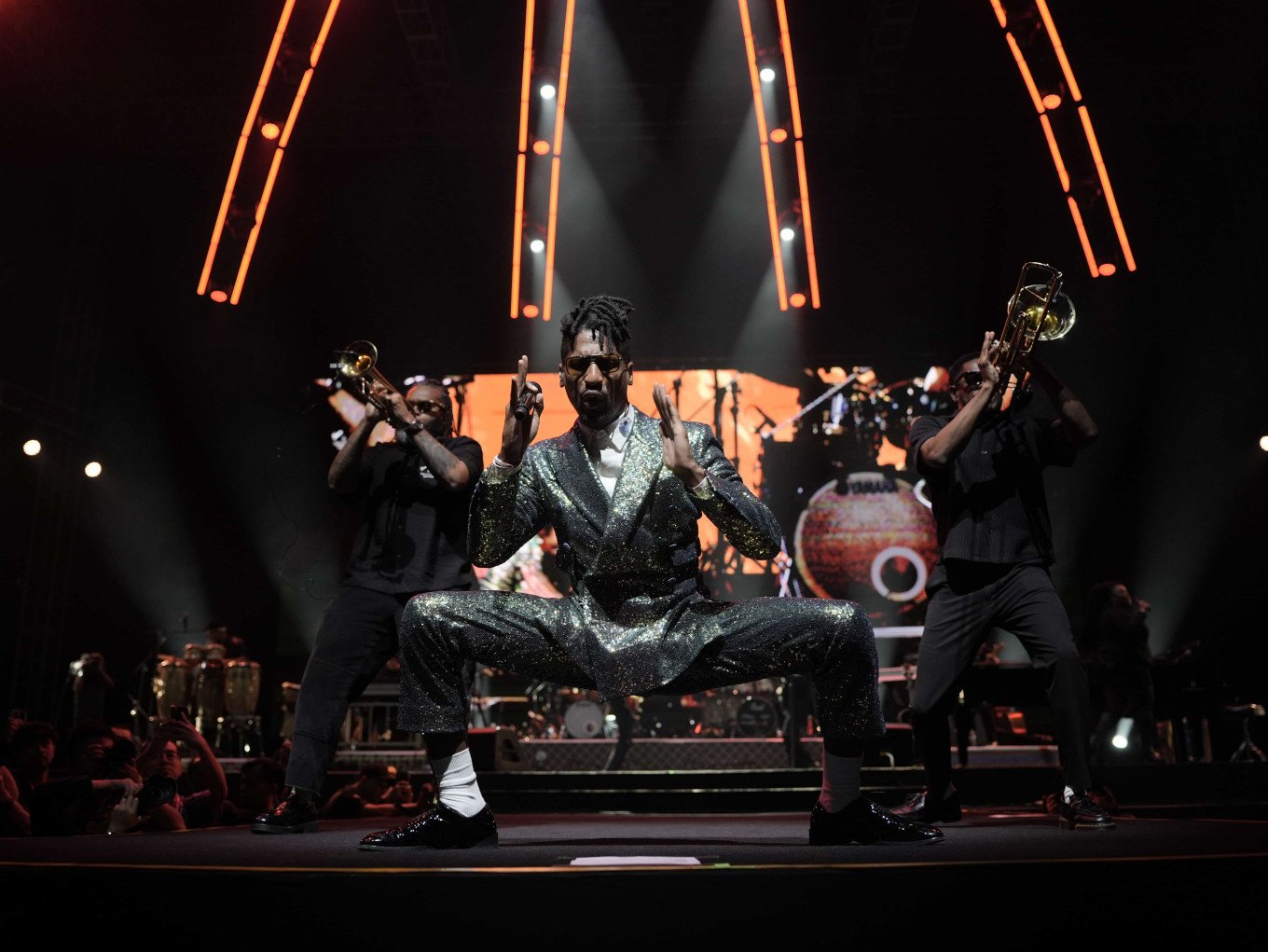
t was a rare sight as thousands flocked to Pantai Indah Kapuk 2 (PIK 2) from Friday to Sunday, braving the long commute north with one destination in mind: three days of jazz, soul, R&B and everything in between.
Inside the shiny halls of the Nusantara International Convention Exhibition (NICE), jazz tunes flowed in the night as festivalgoers swooned to R&B crooners like Ella Mai and Daniel Caesar and were charmed yet again by local favorites like Dira Sugandi and Andien.
The scenes felt reassuringly familiar at a festival that has returned with remarkable consistency for more than two decades. Only the COVID-19 pandemic could stop the show from going on in 2021.
Even so, the International Java Jazz Festival 2026 comes at a challenging time for a live music industry that has seen several major festivals scale back operations and postpone annual showings since last year, due to rising production costs and a changing market landscape.
Java Jazz is a whole other organism, though. Since its founding in 2005, the three-day festival has become the country’s most dependable cultural fixture and grown into one of the world’s largest jazz events, regularly attracting international headliners while introducing artists and genres that audiences might not encounter otherwise.
“We go on stage with no set list at all, and that’s what we’ve honed over the years.” — Kenny Gabriel, synth bassist, Batavia Collective
This year was no different. Entering its 21st year, the biggest changes the festival organizers made were largely logistical: Java Jazz has now moved from its home at the Jakarta International Expo in Kemayoran, Central Jakarta, to the new NICE complex at PIK 2 in Tangerang, Banten.