Friday, June 12, 2026
    The GeoStrategic Consensus
    No Result
    View All Result
    • Login
    • HOME
    • AMERICAS
      • Argentina
      • Brazil
      • Canada
      • Chile
      • Colombia
      • Costa Rica
      • Cuba
      • Dominican Republic
      • Ecuador
      • El Salvador
      • Greenland
      • Guatemala
      • Honduras
      • Mexico
      • Nicaragua
      • Panama
      • Paraguay
      • Peru
      • United States
      • Uruguay
      • Venezuela
    • ASIA-PACIFIC
      • Australia
      • Brunei Darussalam
      • Cambodia
      • China
      • Federated States of Micronesia
      • Fiji
      • Indonesia
      • Japan
      • Kiribati
      • Laos
      • Malaysia
      • Marshall Islands
      • Mongolia
      • Myanmar
      • Nauru
      • New Zealand
      • North Korea
      • Palau
      • Papua New Guinea
      • Philippines
      • Samoa
      • Singapore
      • Solomon Islands
      • South Korea
      • Taiwan
      • Thailand
      • Timor-Leste
      • Tonga
      • Tuvalu
      • Vanuatu
      • Vietnam
    • CARICOM
      • CARICOM – Non-English
        • Haiti
        • Suriname
      • CARICOM Associates
        • Anguilla
        • Bermuda
        • British-Virgin-Islands
        • Cayman-Islands
        • Curacao
        • Turks-and-Caicos
      • CARICOM English
        • Antigua and Barbuda
        • Barbados
        • Belize
        • Dominica
        • Grenada
        • Guyana
        • Jamaica
        • Montserrat
        • Saint Kitts and Nevis
        • Saint Lucia
        • Saint Vincent and the Grenadines
        • The Bahamas
        • Trinidad and Tobago
    • EURASIA
      • Armenia
      • Azerbaijan
      • Balarus
      • Georgia
      • Kazakhstan
      • Kyrgyzstan
      • Moldova
      • Russia
      • Tajikistan
      • Turkmenistan
      • Ukraine
      • Uzbekistan
    • EUROPE
      • Albania
      • Andorra
      • Austria
      • Bosnia and Herzegovina
      • Bulgaria
      • Croatia
      • Cyprus
      • Czech Republic
      • Denmark
      • Estonia
      • Finland
      • France
      • Germany
      • Greece
      • Holy See
      • Hungary
      • Iceland
      • Ireland
      • Italy
      • Kosovo
      • Latvia
      • Liechtenstein
      • Lithuania
      • Luxembourg
      • Malta
      • Monaco
      • Montenegro
      • Netherlands
      • North Macedonia
      • Norway
      • Poland
      • Portugal
      • Romania
      • San Marino
      • Serbia
      • Slovakia
      • Slovenia
      • Spain
      • Sweden
      • Switzerland
      • United Kingdom
    • MIDDLE EAST AND NORTH AFRICA
      • Algeria
      • Bahrain
      • Egypt
      • Iran
      • Iraq
      • Israel
      • Jordan
      • Kuwait
      • Lebanon
      • Lybia
      • Morocco
      • Oman
      • Palestinian Territories
      • Qatar
      • Saudi Arabia
      • Syria
      • Tunisia
      • Turkey
      • United Arab Emirates
      • Western Sahara
      • Yemen
    • SOUTH ASIA
      • Afghanistan
      • Bangladesh
      • Bhutan
      • India
      • Maldives
      • Nepal
      • Pakistan
      • Sri Lanka
    • SUB-SAHARAN AFRICA
      • Angola
      • Benin
      • Botswana
      • Burkina Faso
      • Burundi
      • Cabo Verde
      • Cameroon
      • Central African Republic
      • Chad
      • Comoros
      • Cote d’Ivoire
      • Democratic Republic of the Congo
      • Djibouti
      • Equatorial Guinea
      • Eritrea
      • Eswatini
      • Ethiopia
      • Gabon
      • Gambia
      • Ghana
      • Guinea
      • Guinea Bissau
      • Kenya
      • Lesotho
      • Liberia
      • Madagascar
      • Malawi
      • Mali
      • Mauritania
      • Mauritius
      • Mozambique
      • Namibia
      • Niger
      • Nigeria
      • Republic of the Congo
      • Rwanda
      • Sao Tome and Principe
      • Senegal
      • Seychelles
      • Sierra Leone
      • Somalia
      • South Africa
      • South Sudan
      • Sudan
      • Tanzania
      • Togo
      • Uganda
      • Zambia
      • Zimbabwe
    • HOME
    • AMERICAS
      • Argentina
      • Brazil
      • Canada
      • Chile
      • Colombia
      • Costa Rica
      • Cuba
      • Dominican Republic
      • Ecuador
      • El Salvador
      • Greenland
      • Guatemala
      • Honduras
      • Mexico
      • Nicaragua
      • Panama
      • Paraguay
      • Peru
      • United States
      • Uruguay
      • Venezuela
    • ASIA-PACIFIC
      • Australia
      • Brunei Darussalam
      • Cambodia
      • China
      • Federated States of Micronesia
      • Fiji
      • Indonesia
      • Japan
      • Kiribati
      • Laos
      • Malaysia
      • Marshall Islands
      • Mongolia
      • Myanmar
      • Nauru
      • New Zealand
      • North Korea
      • Palau
      • Papua New Guinea
      • Philippines
      • Samoa
      • Singapore
      • Solomon Islands
      • South Korea
      • Taiwan
      • Thailand
      • Timor-Leste
      • Tonga
      • Tuvalu
      • Vanuatu
      • Vietnam
    • CARICOM
      • CARICOM – Non-English
        • Haiti
        • Suriname
      • CARICOM Associates
        • Anguilla
        • Bermuda
        • British-Virgin-Islands
        • Cayman-Islands
        • Curacao
        • Turks-and-Caicos
      • CARICOM English
        • Antigua and Barbuda
        • Barbados
        • Belize
        • Dominica
        • Grenada
        • Guyana
        • Jamaica
        • Montserrat
        • Saint Kitts and Nevis
        • Saint Lucia
        • Saint Vincent and the Grenadines
        • The Bahamas
        • Trinidad and Tobago
    • EURASIA
      • Armenia
      • Azerbaijan
      • Balarus
      • Georgia
      • Kazakhstan
      • Kyrgyzstan
      • Moldova
      • Russia
      • Tajikistan
      • Turkmenistan
      • Ukraine
      • Uzbekistan
    • EUROPE
      • Albania
      • Andorra
      • Austria
      • Bosnia and Herzegovina
      • Bulgaria
      • Croatia
      • Cyprus
      • Czech Republic
      • Denmark
      • Estonia
      • Finland
      • France
      • Germany
      • Greece
      • Holy See
      • Hungary
      • Iceland
      • Ireland
      • Italy
      • Kosovo
      • Latvia
      • Liechtenstein
      • Lithuania
      • Luxembourg
      • Malta
      • Monaco
      • Montenegro
      • Netherlands
      • North Macedonia
      • Norway
      • Poland
      • Portugal
      • Romania
      • San Marino
      • Serbia
      • Slovakia
      • Slovenia
      • Spain
      • Sweden
      • Switzerland
      • United Kingdom
    • MIDDLE EAST AND NORTH AFRICA
      • Algeria
      • Bahrain
      • Egypt
      • Iran
      • Iraq
      • Israel
      • Jordan
      • Kuwait
      • Lebanon
      • Lybia
      • Morocco
      • Oman
      • Palestinian Territories
      • Qatar
      • Saudi Arabia
      • Syria
      • Tunisia
      • Turkey
      • United Arab Emirates
      • Western Sahara
      • Yemen
    • SOUTH ASIA
      • Afghanistan
      • Bangladesh
      • Bhutan
      • India
      • Maldives
      • Nepal
      • Pakistan
      • Sri Lanka
    • SUB-SAHARAN AFRICA
      • Angola
      • Benin
      • Botswana
      • Burkina Faso
      • Burundi
      • Cabo Verde
      • Cameroon
      • Central African Republic
      • Chad
      • Comoros
      • Cote d’Ivoire
      • Democratic Republic of the Congo
      • Djibouti
      • Equatorial Guinea
      • Eritrea
      • Eswatini
      • Ethiopia
      • Gabon
      • Gambia
      • Ghana
      • Guinea
      • Guinea Bissau
      • Kenya
      • Lesotho
      • Liberia
      • Madagascar
      • Malawi
      • Mali
      • Mauritania
      • Mauritius
      • Mozambique
      • Namibia
      • Niger
      • Nigeria
      • Republic of the Congo
      • Rwanda
      • Sao Tome and Principe
      • Senegal
      • Seychelles
      • Sierra Leone
      • Somalia
      • South Africa
      • South Sudan
      • Sudan
      • Tanzania
      • Togo
      • Uganda
      • Zambia
      • Zimbabwe
    No Result
    View All Result
    Agentially
    No Result
    View All Result
    Home CARICOM CARICOM English Dominica

    COMMENTARY: Why the IRC says the distributed renewable energy framework is far from final

    The Analyst by The Analyst
    June 12, 2026
    in Dominica
    COMMENTARY: Why the IRC says the distributed renewable energy framework is far from final


    All views expressed in this article are solely those of the author and have not been independently verified.

    READ ALSO

    Rotary Club of Dominica to hand over drinking fountains at two primary schools

    Dominica Freedom Party Executive accepts Hurtault’s resignation, says it wishes him well

    For the past few days, I have been observing with interest the discussion taking place on social media and other platforms concerning the proposed Distributed Renewable Energy Generation Framework currently under review by the IRC. At first, I did not immediately respond because I believe healthy public discussion is important, especially on issues connected to energy, electricity costs, renewable systems, and the future direction of Dominica’s electricity sector.

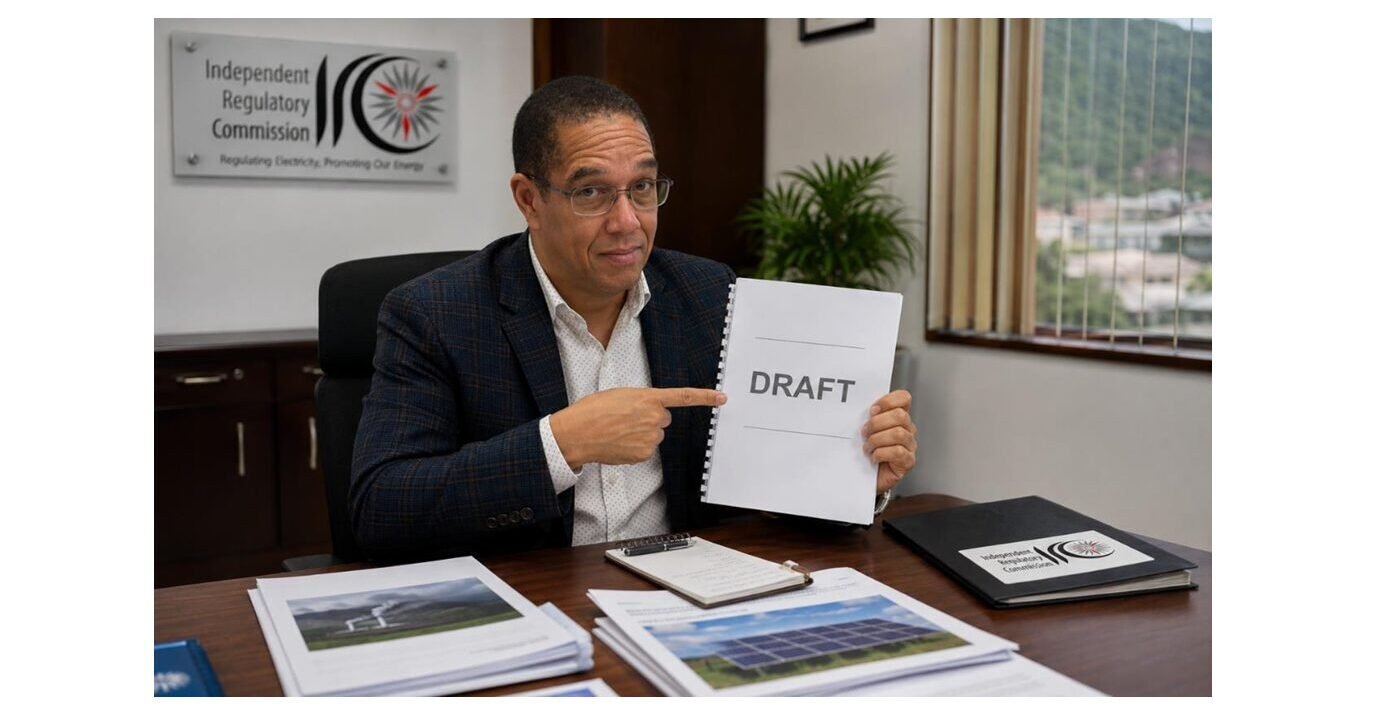
    After reading some of the statements now circulating publicly, I believe the Commission has a responsibility to bring clarity to customers and stakeholders because portions of the discussion are now creating the impression that final decisions have already been taken, laws have already been established, and systems have already been imposed. That is simply not the case. The first thing I would like to emphasize, and I want to emphasize this very clearly because it seems to be getting lost in the public conversation, is that the document currently being discussed is a draft document – a draft prepared by a consultant.

    The consultant reviewed approaches used in different jurisdictions and compiled various models and regulatory ideas into a working document for discussion purposes. Therefore, that document is not final. It was never intended to be final at this stage. In fact, the entire purpose of the current exercise is to review that draft, identify what works for Dominica, identify what does not work for Dominica, and then tailor a framework suitable for our own jurisdiction, our own electricity network, our own customers, and our own expectations as a country.

    Upon reflection on the public’s reaction, the Commission itself became somewhat perplexed as to how we moved from an unfinished draft discussion paper into conclusions suggesting that the IRC has already decided to impose final mandatory systems on citizens. We are in the very, very early stages of this review exercise. The very early stages. The public should understand that the IRC did not simply sit internally and decide to work on this framework alone. One of the first things the Commission did was establish a committee with diverse membership specifically to avoid the exact concern now being circulated publicly, namely that decisions would somehow be made in isolation without customer or stakeholder involvement.

    The committee of participants includes individuals with distributed renewable systems, vendors, stakeholders, customers, individuals involved in hospitality, and other individuals connected to the sector. The purpose was to create broad representation so everybody would have the opportunity to voice concerns and participate in shaping the framework before anything reaches final determination. That’s just how our process works.

    Thus far, we have only had one committee meeting. JUST ONE!

    That meeting was primarily introductory in nature. It was a discussion where participants voiced concerns, identified areas they liked, areas they disliked, areas they believed needed to be changed, and areas they believed would not function properly within the Dominican environment. Again – that is the stage we are at.

    IRC has established procedures for handling matters connected to the electricity sector. Documents are reviewed internally. Stakeholder engagement takes place. Committees are formed where necessary. Discussions occur. Adjustments are made. Additional consultation follows. Public consultation follows after that. More comments come in. More revisions occur. Then eventually, after all of those steps, the Commission moves toward determination. This process is long from complete.

    Now, one of the major concerns raised publicly involved the so-called “buy all, sell all” approach. Again, I must emphasize that the reference to such a model came from the consultant’s draft document which examined various systems used elsewhere. The very purpose of the committee discussions is to determine whether such approaches make sense for Dominica or whether they should be modified, adjusted, or even removed entirely.

    In fact, during our discussions, concerns were immediately raised regarding how such an approach could affect owners of photovoltaic (PV) systems and Distributed Renewable systems. The committee itself recognized that certain aspects may not work very well for our jurisdiction or for customers who have invested heavily into these systems. So again, this is precisely why consultation exists.

    This is why review exists, and this is why committees exist. The framework has not been finalized. One of the unfortunate things happening now is that some people are reacting emotionally to elements of a document that are still actively being shaped and revised. That does not assist the process because it creates fear and uncertainty before discussions have even properly matured. The public should know that much of the early discussion is already leaning toward allowing participation to remain voluntary. We are looking at mechanisms where customers themselves determine whether they wish to participate in particular arrangements connected to buy and sell systems or access to the grid. Those conversations are ongoing and nothing has been finalized at this point.

    Another area creating confusion involves pricing mechanisms. I have seen prices circulating publicly as though the IRC and DOMLEC have already established final buy and sell rates. That is also incorrect. The pricing structure has not yet been determined. That aspect still requires discussion between DOMLEC and the IRC. There are technical, operational, and financial considerations involved in establishing such mechanisms fairly and sustainably. Those discussions will occur in time, and the information will be released publicly when the process reaches that stage. But again, we are not there yet.

    At this moment, the Commission is still focused on getting the framework itself properly structured. We must first determine capacity thresholds, participation categories, operational arrangements, technical requirements, and how these systems interact safely and reliably with the national grid. Only after those areas are properly developed can pricing discussions move toward finalization.

    The broader objective here is not to discourage renewable energy. Quite the opposite. The framework is being developed specifically to incentivize renewable energy growth in a manner that is fair, sustainable, and workable for both customers and the electricity system overall and that is important.

    The IRC recognizes fully that many customers pursue solar systems for independence, reliability, resilience after storms, and long-term energy savings. These realities are understood by the Commission and form part of the very discussions now taking place. We also have a responsibility to ensure that any framework developed is technically sound, operationally safe, fair to customers, fair to the grid, and workable over the long term for the country as a whole.

    For the past two months, much of the Commission’s attention was focused heavily on the tariff review exercise for DOMLEC. Now that we are somewhat freer from that intensive process, additional committee meetings will continue and discussions on the Distributed Renewable Energy Framework will advance further.

    After committee discussions conclude, the revised document will still go out for broader public consultation before any final determination is made. There may still be things we missed. There may still be additional concerns raised by customers and stakeholders. That is precisely why consultation exists.

    The IRC welcomes constructive engagement; we welcome questions, we welcome comments and we especially welcome criticism where it is fair and constructive. But at the same time, we encourage the public to distinguish between a draft discussion framework and a finalized regulatory determination because those are two very different things.

    The Commission appreciates the passion and excitement surrounding renewable energy in Dominica. That enthusiasm is important and positive. However, we also want to calm the nerves of customers and stakeholders by emphasizing that this process is far from complete and that official information will continue to be provided as progress is made.

    I encourage members of the public to follow information released through official IRC channels and to continue participating in the process by submitting comments, questions, and recommendations. The Commission remains committed to ensuring that the final framework reflects the realities, expectations, and interests of the people of Dominica.


    Source link

    Related Posts

    Rotary Club of Dominica to hand over drinking fountains at two primary schools
    Dominica

    Rotary Club of Dominica to hand over drinking fountains at two primary schools

    June 12, 2026
    Dominica Freedom Party Executive accepts Hurtault’s resignation, says it wishes him well
    Dominica

    Dominica Freedom Party Executive accepts Hurtault’s resignation, says it wishes him well

    June 12, 2026
    Next Post

    Greenland struggling during the long wait for a new Danish government

    POPULAR NEWS

    Farmers, berry growers struggle with worsening labor shortages | News

    Farmers, berry growers struggle with worsening labor shortages | News

    June 12, 2026
    Prices at dentists are soaring. For which procedures will you pay the most? – Home – News

    Prices at dentists are soaring. For which procedures will you pay the most? – Home – News

    June 12, 2026
    Japan toughens Tokyo quake plan to halve projected disaster damage

    Japan toughens Tokyo quake plan to halve projected disaster damage

    June 12, 2026
    Vietnam’s hospitality shouldn’t be mistaken for tolerance of misconduct

    Vietnam’s hospitality shouldn’t be mistaken for tolerance of misconduct

    June 12, 2026
    Pacific nations launch regional shipping body to modernise island fleets

    Pacific nations launch regional shipping body to modernise island fleets

    June 12, 2026

    EDITOR'S PICK

    Strategic Italy: Where Is Albania?

    Strategic Italy: Where Is Albania?

    June 12, 2026
    After record IPO, SpaceX shares are expected to rise – 06/12/2026 – Economy

    After record IPO, SpaceX shares are expected to rise – 06/12/2026 – Economy

    June 12, 2026
    FSM Announces and Welcomes Approval of Compact Disaster Declaration Following Joint FSM-US Damage Assessment – FSM Government

    FSM Announces and Welcomes Approval of Compact Disaster Declaration Following Joint FSM-US Damage Assessment – FSM Government

    June 12, 2026
    In DepthThe most suffocating World Cup in history? Argentina will be one of the teams most exposed to the heatBy Miguel Bevacqua and Ana Pilar Malaga

    In DepthThe most suffocating World Cup in history? Argentina will be one of the teams most exposed to the heatBy Miguel Bevacqua and Ana Pilar Malaga

    June 12, 2026

    Recent Posts

    • Japan toughens Tokyo quake plan to halve projected disaster damage
    • Vietnam’s hospitality shouldn’t be mistaken for tolerance of misconduct
    • “Historical disgrace. The Republic of Artsakh was dispossessed”. Roman Yeritsyan
    • Azerbaijan still possesses significant volumes of oil and gas – minister

      © 2026 Agentially - Navigating shifting sovereignties and global risk .

      Welcome Back!

      Login to your account below

      Forgotten Password?

      Retrieve your password

      Please enter your username or email address to reset your password.

      Log In
      No Result
      View All Result

        © 2026 Agentially - Navigating shifting sovereignties and global risk .

        This website uses cookies. By continuing to use this website you are giving consent to cookies being used. Visit our Privacy and Cookie Policy.