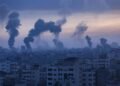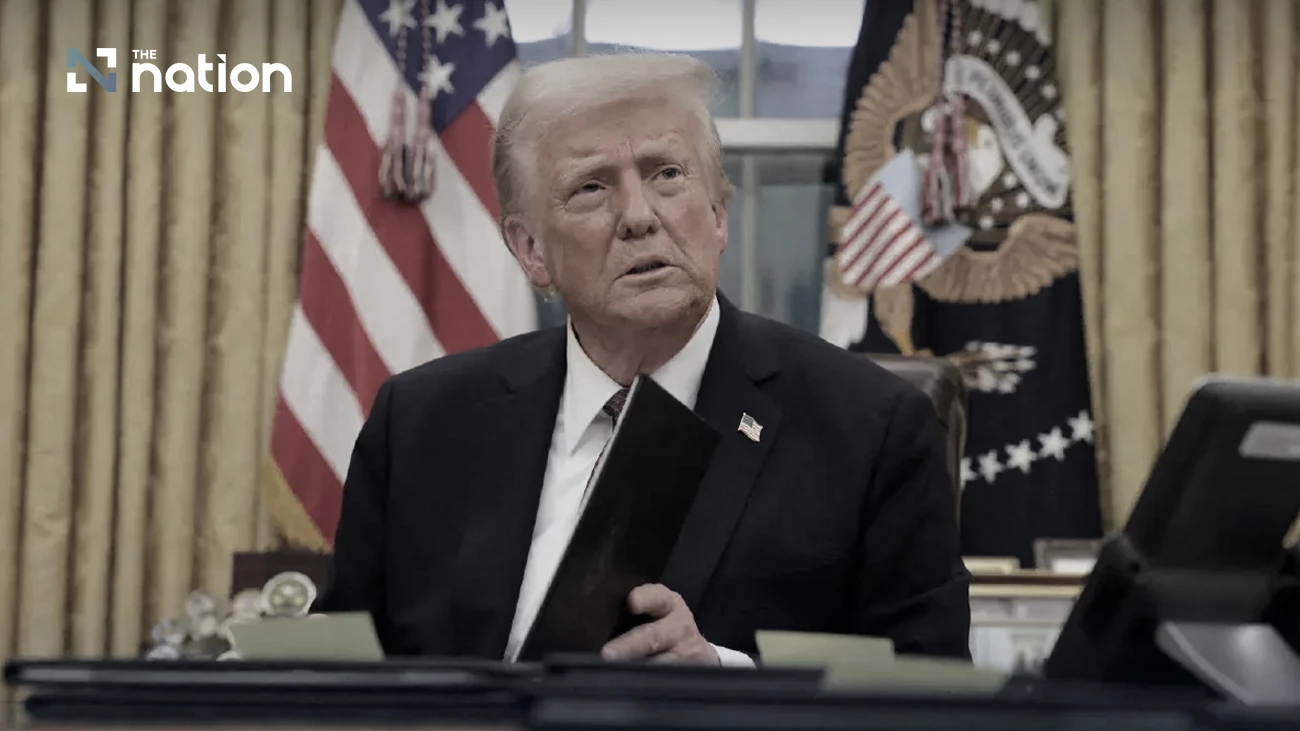

For now, the announcement has been enough to calm immediate fears of another escalation, particularly after two days of US strikes and Iranian countermeasures had raised concerns over energy supplies and regional security.
Financial markets reacted quickly to the prospect of de-escalation. Wall Street closed higher, with the Dow Jones Industrial Average gaining 1.75% and the Nasdaq rising 2.54%, as investors eased concerns that a wider conflict could worsen inflationary pressure.
Oil prices also dropped after the announcement. Brent crude fell by US$1.21, or 1.3%, to US$89.17 a barrel, while US West Texas Intermediate dropped US$1.23, or 1.4%, to US$86.48 a barrel. Over the week, crude prices declined by around 4.4%, offering temporary relief to markets worried about higher energy costs.
Despite the diplomatic opening, the wider security situation remains fragile.
The US Navy reportedly intercepted two one-way attack drones launched by Iranian forces near the Strait of Hormuz, where Tehran had earlier announced restrictions on shipping through the strategic waterway.
Fighting has also continued in Lebanon. Israel said its forces had taken control of strategic ground north of Wadi Saluki, around 10 kilometres inside southern Lebanon, while Hezbollah claimed it had launched repeated rocket, missile and drone attacks against Israeli positions over the previous 48 hours.
The coming days are expected to determine whether Trump’s announcement marks the beginning of a genuine diplomatic settlement or only a temporary pause in a volatile confrontation.