Doha – Ibrahim Salah:
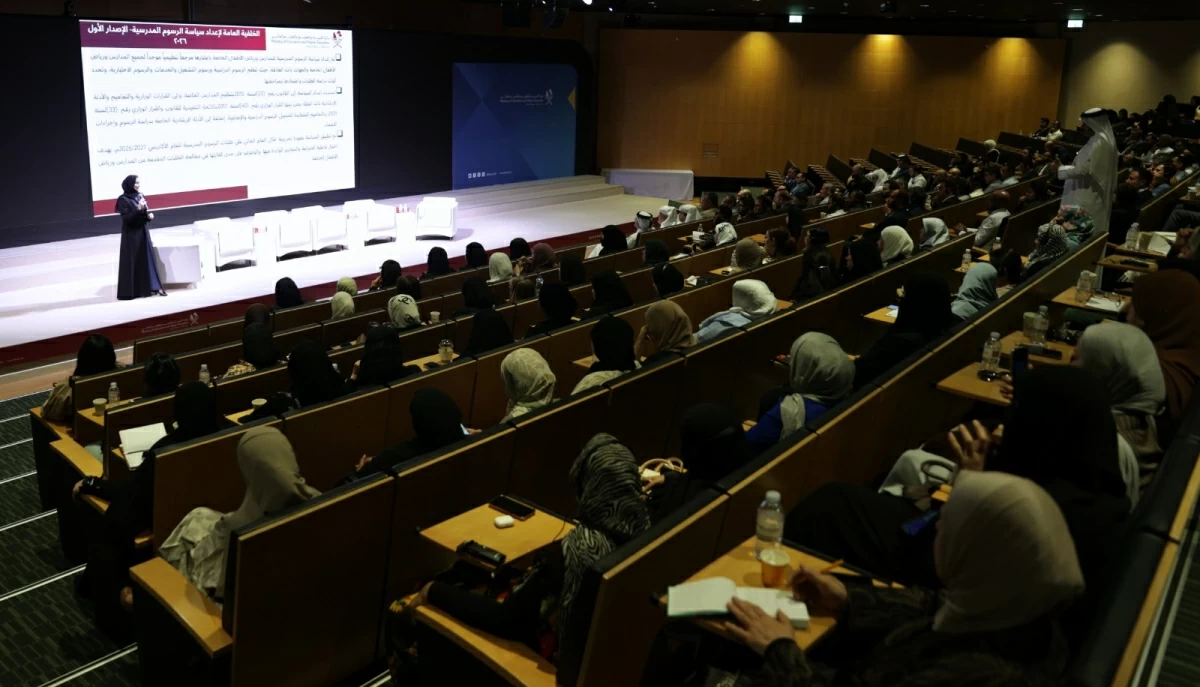
The Ministry of Education and Higher Education launched the first version of the school fees policy for private schools and kindergartens 2026, which will be implemented starting from the academic year 2027-2028, in a step aimed at establishing a clear and unified regulatory framework for approving tuition fees, operating fees, services, and optional fees, and linking any future increases to specific financial, academic, and operational standards, in a way that enhances the quality of education, achieves justice and transparency, and maintains the balance between the sustainability of private schools and protecting parents from unreasonable increases. Justified.
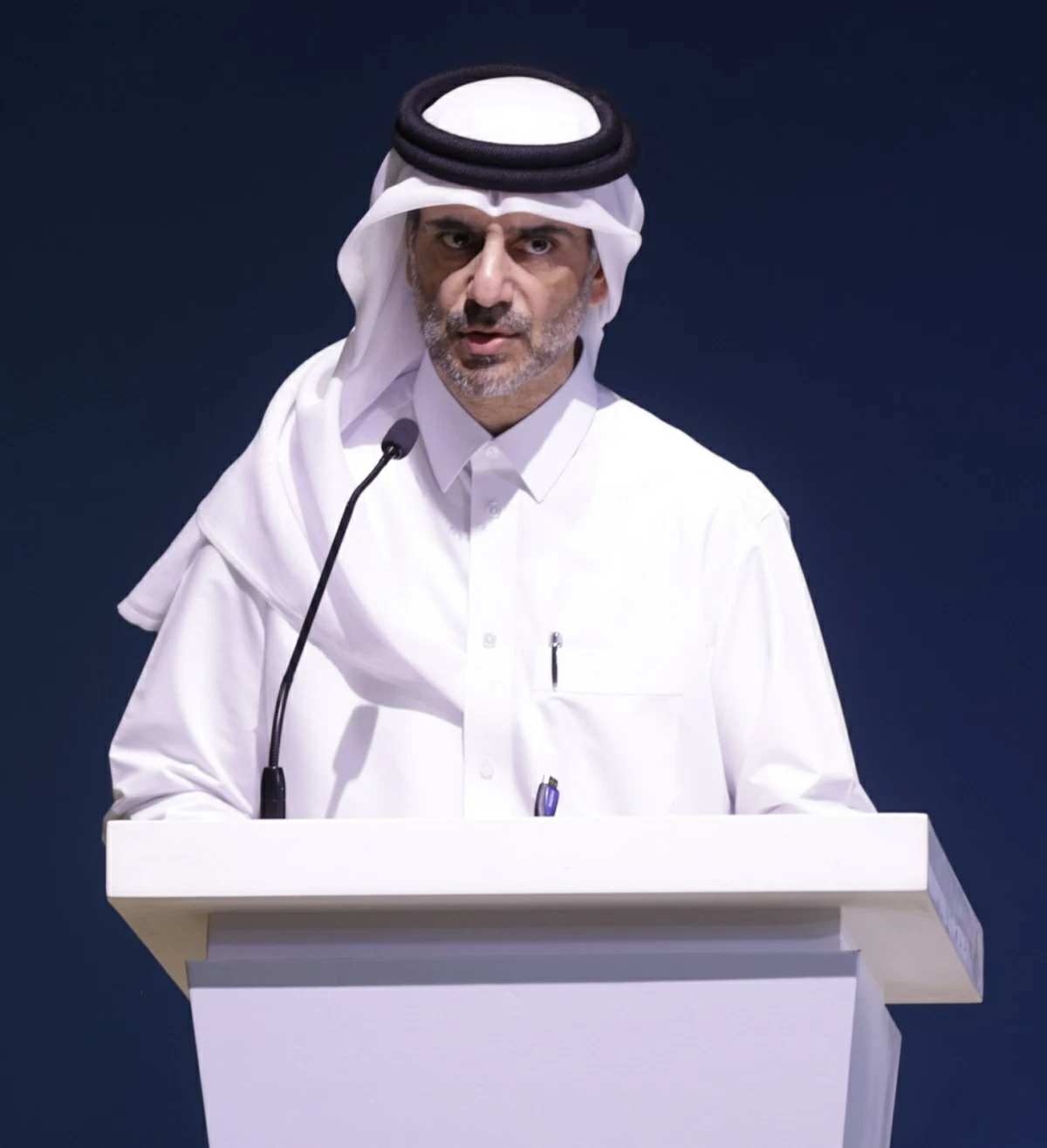
Mr. Omar Abdulaziz Al-Nama, Assistant Undersecretary for Special Education Affairs at the Ministry of Education and Higher Education, confirmed that the launch of the new policy represents an unprecedented regulatory and developmental step in the private education sector in the State of Qatar, and comes within the Ministry’s continuing efforts to develop the legislative and regulatory environment, in a way that enhances the sustainability of the sector, raises its competitiveness, improves the quality of its outputs, and achieves a balance between the interests of investors, schools, parents, and students.
He explained, during the press conference for the launch of the policy, that the Ministry prepared this document in response to repeated demands from investors, school operators, and parents for the necessity of having a clear and announced framework that regulates the mechanisms for approving tuition fees and requests for their modification, and provides a clear vision for all parties that helps them in long-term financial and investment planning.
He pointed out that the policy is the first of its kind in the ministry’s history, and was prepared after studying the best international practices and experiences, to ensure the construction of a modern regulatory system that is compatible with the developments witnessed by the private education sector locally and globally.
He added that the policy does not aim to impose additional restrictions on investors or limit the growth of private education, but rather sets, for the first time, announced and clear standards for studying fees and requests for modification, in a way that enhances justice and transparency, limits individual efforts, and provides greater clarity for all private schools.
He stated that the Ministry has also developed a clear methodology for calculating fees for new schools, based on economic feasibility studies and operational standards, in a way that ensures the sustainability of educational projects, encourages attracting more qualitative investments, and expands the educational options available to parents. He explained that requests to modify fees in existing schools will be subject to objective and announced standards that take into account inflation rates, operational costs, and the level of quality of academic performance, in order to achieve a balance between enabling distinguished schools to develop their services and financial sustainability, and protecting the interests of parents. He stressed Al-Nama is that the Ministry believes that the success of the private education sector depends on the partnership between regulatory bodies, investors and parents, and therefore the new policy came to enhance confidence, provide a more stable environment for investment in education, and support decision-making on a fair and transparent basis, which reflects positively on the quality of educational services. He pointed out that the Ministry views this policy as an important milestone in the process of developing private education, and a strategic step towards building a more efficient, sustainable and transparent sector, stressing that the Ministry will continue to review and develop the policy periodically in cooperation with all stakeholders.
Enhancing transparency
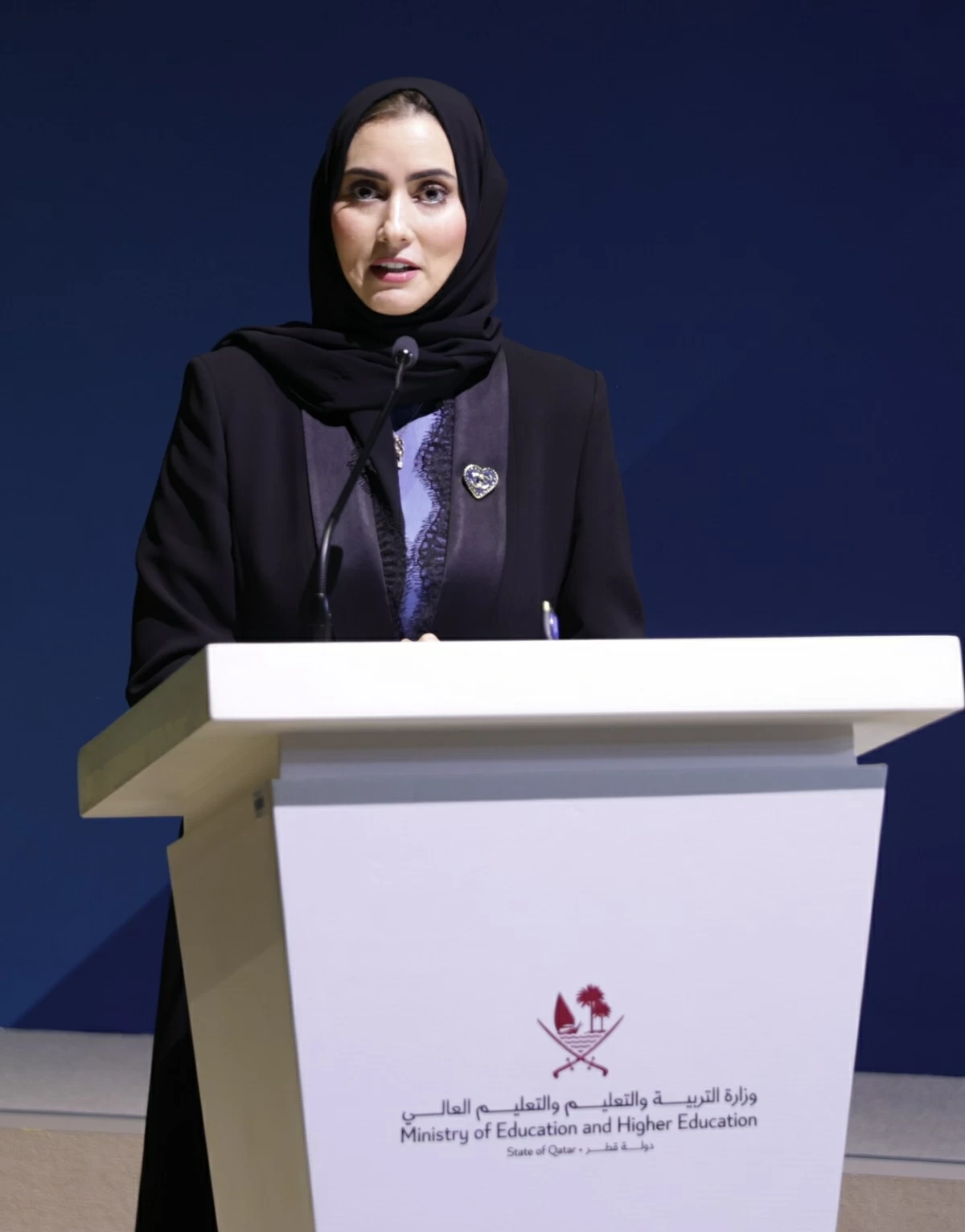
For her part, Dr. Rania Muhammad, Director of the Department of Private Schools and Kindergartens and in charge of private licensing tasks, confirmed that the new policy represents a qualitative shift in regulating tuition fees, as it is based on enhancing integrity and transparency, and achieving a balance between the right of schools to develop their educational services, and the right of parents and students to clarity of procedures and financial and educational stability.
She explained that the Ministry launched the first version of the policy for the year 2026 after applying it experimentally to fee requests for the academic year 2026-2027, with the aim of testing the controls and standards and ensuring their effectiveness before the official implementation begins from the academic year 2027-2028.
She added that the policy is based on the provisions of Law No. (23) of 2015 regarding the organization of private schools, in addition to the relevant ministerial decisions, regulations and guidelines, to be a unified regulatory reference for all private schools and relevant authorities.
Application deadlines
She pointed out that the Ministry has reorganized the dates for submitting fees increase requests in line with different educational systems, as schools whose academic year begins in January or April submit their applications during the month of September, while schools whose school year begins in September submit their applications during the month of December, in order to achieve greater flexibility and give schools sufficient time to complete study requirements.
She added that the policy gives parents a period of up to a year and a half before applying any approved increase, after it was announced shortly before the start of the school year, which gives families an adequate opportunity for financial planning and making the appropriate decision regarding the student’s continuation or transfer to another school, and also contributes to preparing students psychologically, academically, and socially if the need arises for transfer.
She confirmed that the Ministry has introduced, for the first time, a clear ceiling for increases in tuition fees, to be the primary reference when studying applications, preventing unjustified increases, and achieving a balance between the quality of educational services and the financial capacity of families.
She explained that the policy also witnessed a change in the mechanism for calculating the increase, so that academic performance and the quality of education became the main criteria, after the previous focus was more on financial aspects, noting that the percentage of increase differs from one school to another according to the evaluation results, as some schools did not receive any increase, while other schools received increases of 2% and 3%.
She said that this trend sends a clear message to private schools that investing in the quality of education, developing curricula, qualifying teachers, and improving the school environment has become the primary factor in evaluating requests to increase fees, which enhances positive competition and improves the quality of private education.
She explained that the policy includes ten chapters that address general provisions, terminology, objectives, scope of application, controls for approving and amending fees, grievance and complaints procedures, conflicts of interest, tasks of concerned parties, final provisions, and review and update mechanisms, in addition to the necessary forms and attachments for application.
3 years have passed since the license
She added that among the most prominent new controls is the requirement that three years have passed since the school or kindergarten was licensed before applying for an increase in tuition fees, with the exception of operating fees, services and optional fees, and not allowing schools that received an increase during the past three years to submit a new application, in addition to the requirement that the registration rate not be less than 65% of the capacity, and the occupancy rate not exceed 100% except in cases approved by the Ministry.
Deprivation penalties
She confirmed that the policy included penalties for schools that submit incorrect data or documents with the intention of influencing the consideration of applications, by prohibiting them from submitting fee increase requests for two consecutive sessions, with the possibility of applying the legal penalties stipulated in the legislation in force.
Financial capacity
She pointed out that the policy also stipulated that any increase exceeding 5% be distributed over two consecutive academic years, taking into account the financial capacity of parents. It also obligated schools that implement more than one curriculum to submit independent financial statements for each curriculum, and adopted the calculation of the full score for the academic standard in cases where it is not possible to conduct evaluation or international tests for reasons beyond the control of the school.
Pathways to recovery
She added that the Ministry has developed paths for financial and academic recovery to address special cases, as the Private School Licensing Department is responsible for preparing financial recovery plans for schools facing financial challenges, while schools suffering from academic deficiencies are committed to preparing time-bound development and improvement plans, with the possibility of combining the two paths according to the results of studying each case.
Statement of fees
She revealed that the Ministry will issue fee schedules for all 355 private schools and kindergartens, whether they have submitted requests to amend fees or not, according to a unified form that includes the year of issuance and will remain in effect until a new version is issued.
Fees increased for 54 schools
She explained that the results of the pilot application showed that 99 schools and kindergartens had submitted requests to increase fees or operating fees, services, and optional fees, including 57 requests to increase tuition fees and operating fees together, and 20 requests for operating and service fees only, while 22 requests were excluded for not meeting the conditions, and the Ministry agreed to grant increases to 54 schools and kindergartens that met the standards.
She added that the results of the application showed that three schools were classified within the financial recovery track, 13 schools within the academic recovery track, and three schools within both tracks, explaining that the schools transferred to financial recovery did not receive increases due to inconsistency in financial data, failure to meet financial analysis requirements, or lack of sufficient justifications.
Instructional guide
She stressed that the academic quality standard does not lead to depriving the school of an increase, but rather determines its percentage, pointing to the preparation of a guide to support school improvement processes, and obligating schools to implement development programs and participate in international tests, in a way that contributes to raising the quality of educational outcomes and achieving sustainable improvement in performance.
She concluded by emphasizing that the new policy constitutes an integrated regulatory framework that balances the sustainability of private schools and improving the quality of education on the one hand, and protecting the interests of parents and ensuring justice and transparency in calculating fees on the other hand, in a way that supports the stability of the private education sector and enhances its development during the next stage.