Slađan Tomić, associate journalist
Mostar, a city in the south of Bosnia and Herzegovina (BiH), made for postcards and Instagram selfies, is a symbol of a divided country, and that atmosphere is most impressive when it comes to football.
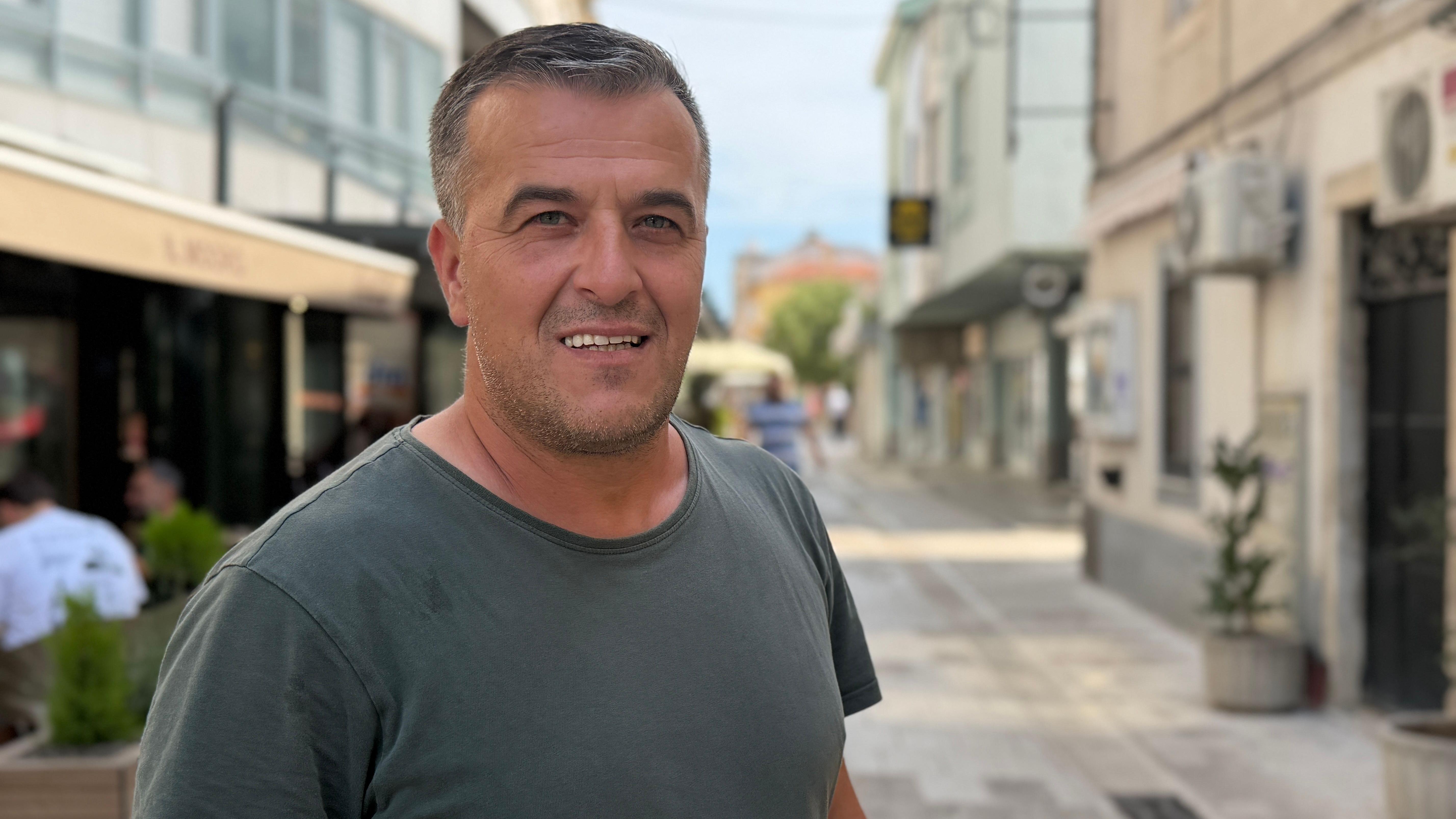
“I’m Bosnian, so I’m not going to cheer for Germany,” Sanel Smailović, a guy who has lived in the eastern part of Mostar, which is predominantly populated by Bosniaks, tells me for 16 years.
Just a few meters away, in the western part of Mostar, his fellow citizens will generally not support the BiH national team World Cup to which the national team of this Balkan country qualified after 12 years.
It is not strange to Smailović, but it is not logical either.
“Everyone has the right to cheer for whoever they want. I cheer for Bosnia. I’m from Bosnia,” he told the BBC in Serbian.
Some 230 kilometers to the north, in Banja Luka, the capital of Republika Srpska, one of the two entities of Bosnia and Herzegovina, there are also those who will support Bosnia.
However, the people I talked to have no dilemma as to who is always their first choice – Serbia, which did not qualify for the World Cup.
“It’s logical that we support Bosnia, I guess it’s normal, because we live in this country.”
“It’s closer to us than cheering for Brazil, Argentina,” Saša Radić from Banja Luka tells me.
Football fan divisions are common when it comes to clubs, but less so when it comes to national teams.
Many are proud of the unity when the national team plays, but Bosnia and Herzegovina is a country divided into two entities and 10 cantons, with three constituent nations and to the othersis one of the opposite examples.
Not only for some, the choice will be the national team of another country, but they do not want even the slightest success of BiH.
“Because the state, and thus the national team, does not feel like something in common,” says Amer Osmić, a sociologist and professor at the University of Sarajevo, for the BBC in Serbian.
A large number of BiH residents have dual citizenships – Croatian or Serbian – but even without that, they often consider neighboring countries as their motherland.
Osmić says that a significant number of people do not feel belonging to a common state, but to nations.
“A strong identification with the ethnic community is visible,” says Osmić.
It is the result of many years of policies that do not represent the state as a common identity, he adds.
A strange misery from the city of Mostar
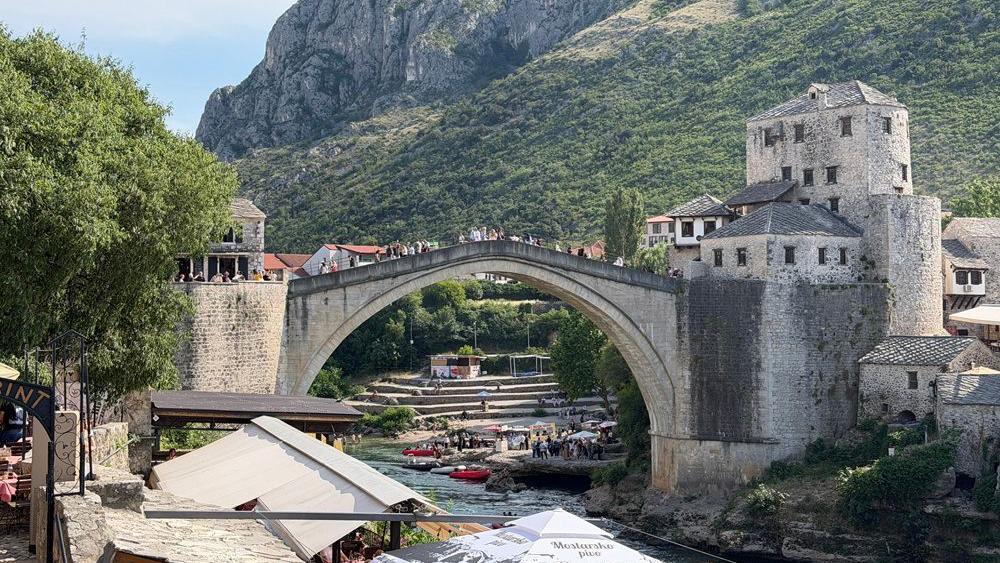
Old bridge in Mostar it was demolished during the bloody war of the 1990s, then rebuilt in the early 2000s.
It is a historical and cultural symbol of a divided city in Herzegovina.
Bosniaks live in the eastern part, while Croats live in the western part.
The city also has two universities, primary schools are mostly ethnically divided, and high school students attend classes with two curricula, even though they are in the same building.
The phenomenon of “two schools under one roof” exists in many parts of BiH, which has been criticized by civil society organizations for years.
Ethnic divisions in this city are also fans’.
Bosniaks support Bosnia, while Croats are mostly supporters of the national team of neighboring Croatia.
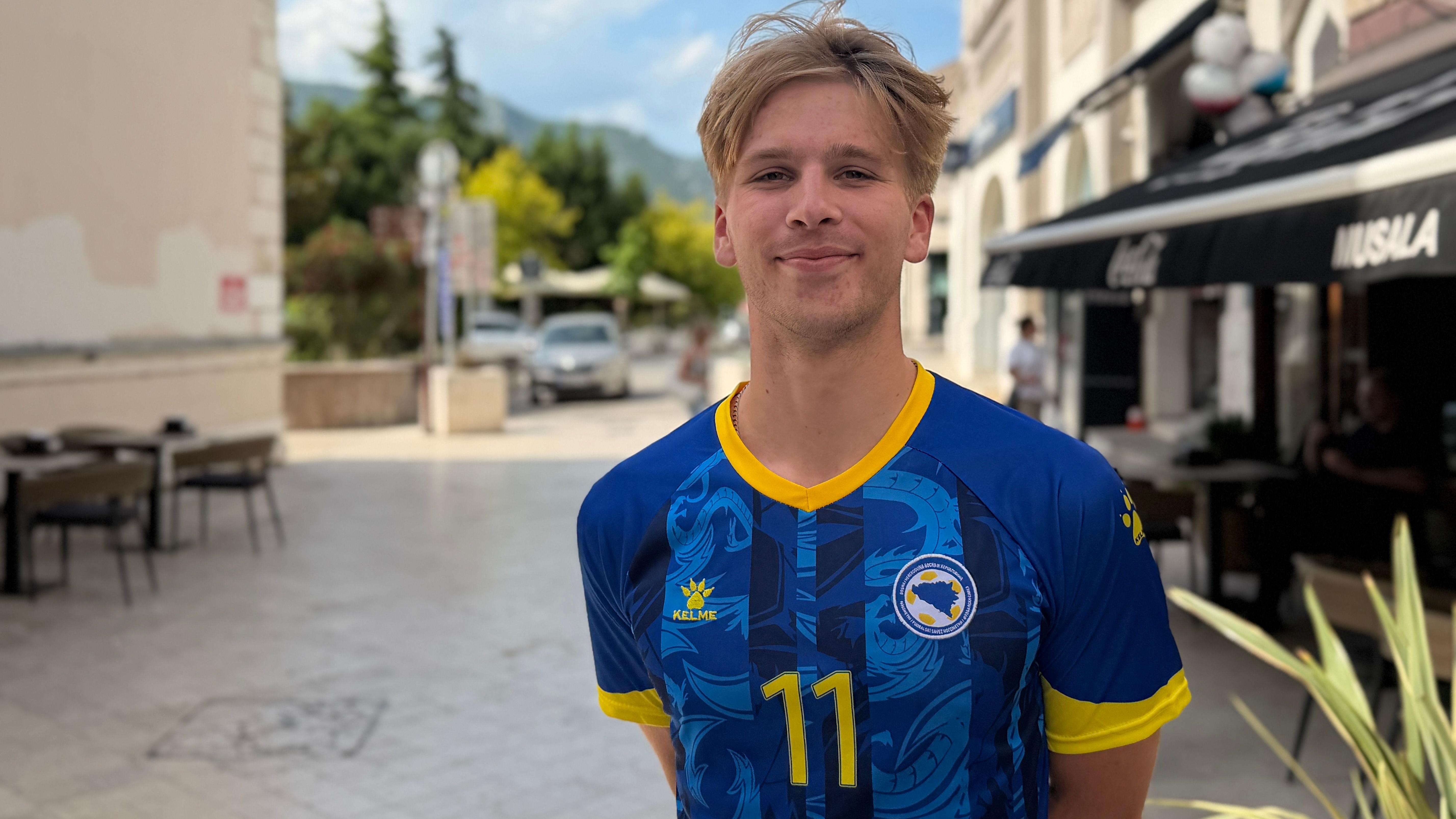
As soon as I said goodbye to Sanela, I spotted a young man in a nearby cafe wearing the jersey of Edin Džeka, the forward of the Bosnia and Herzegovina national team.
Another Bosnian rooting for Bosnia, I thought.
“I only speak English,” interrupted my greeting and asking if we could talk.
He is 21 years old and lives in the Netherlands, but he will support Bosnia and Herzegovina.
“Go ahead Jacko,” he adds.
It is his first time in Mostar and in BiH and he has already become a fan of the country where he has been a tourist for only a few days.
“Bosnia and the Netherlands – those will be my teams at the World Cup,” says Arton.
While walking with my former roommate, who was born in Mostar, on a sunny and warm Sunday, I notice something unusual – in the more developed part of the city, the streets are deserted, and in the smaller part, they are crowded with tourists.
“Well, here is the Old Bridge,” she points to me.
It does not justify fellow citizens who choose the country in which they were not born instead of their homeland.
While on the way we arrange the next, but idle meeting, we see two seemingly idle young men in front of an object.
There is no work, so they are resting, they tell us.
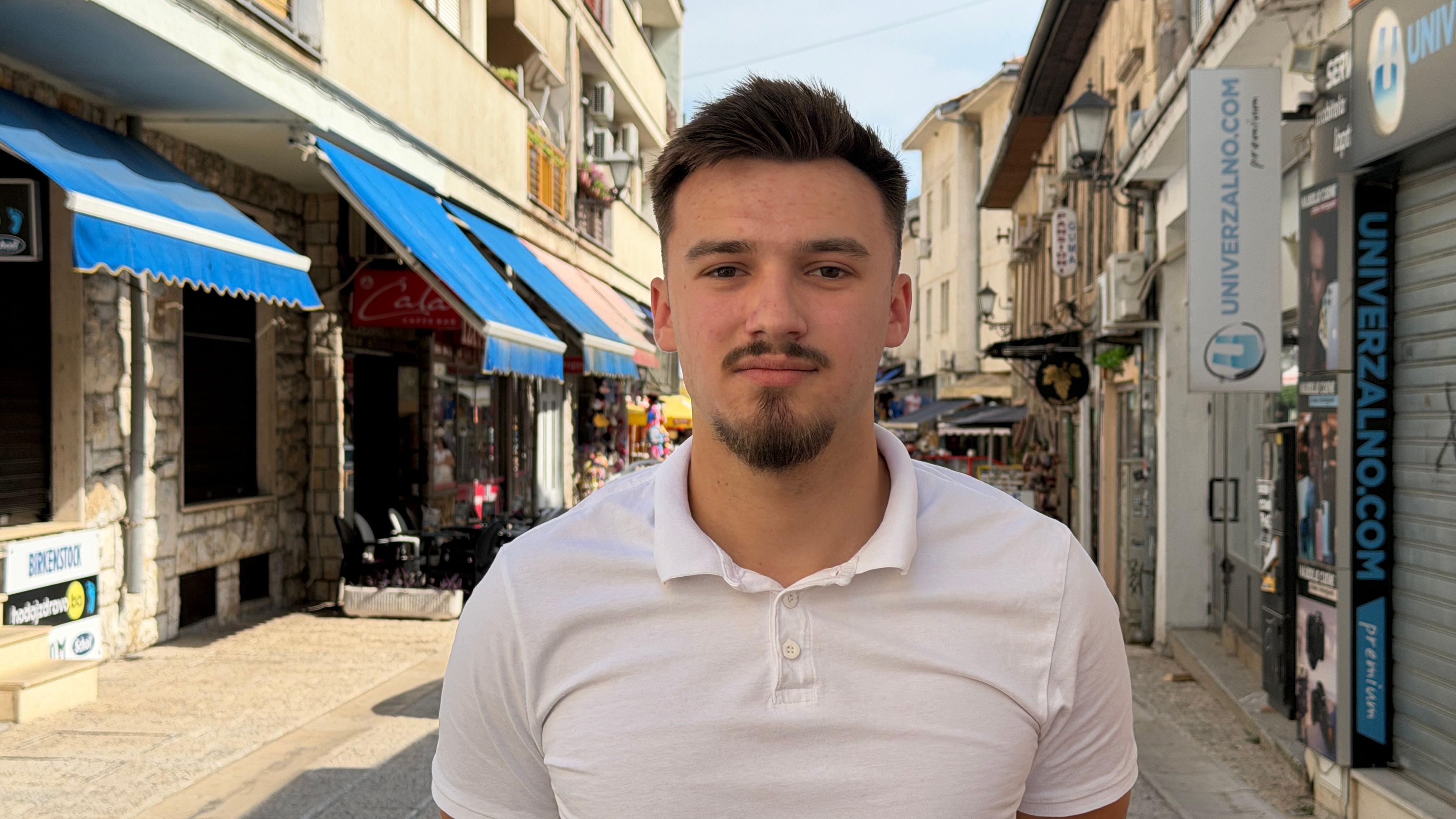
One of them is not willing to talk, but the other, Ensar Drežnjak, briefly takes a break from his vacation and immediately says: “I will support Bosnia and Herzegovina.”
“For our country, our homeland, and I wish them the best of luck, to reach at least the quarterfinals,” Drežnjak is optimistic.
He is aware that in the majority of the city, many will not support their own country.
“I believe that all people who think rationally and were born here will support Bosnia and Herzegovina.”
“I have nothing to say about those who were born there, but still do not support their own homeland,” he adds.
Although he believes that ethnic and religious affiliation is not important for some young people, he also says that people who do not want to support Bosnia and Herzegovina cannot be persuaded to do so.
“Only if the national team that they support is eliminated, then maybe they will cheer for BiH a little, but I believe that they will rather be jealous.”
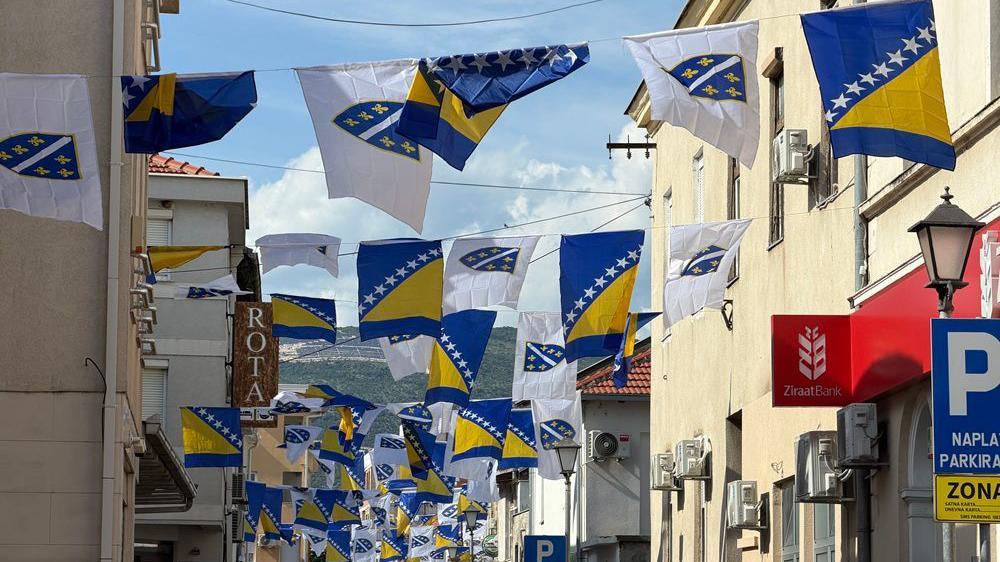
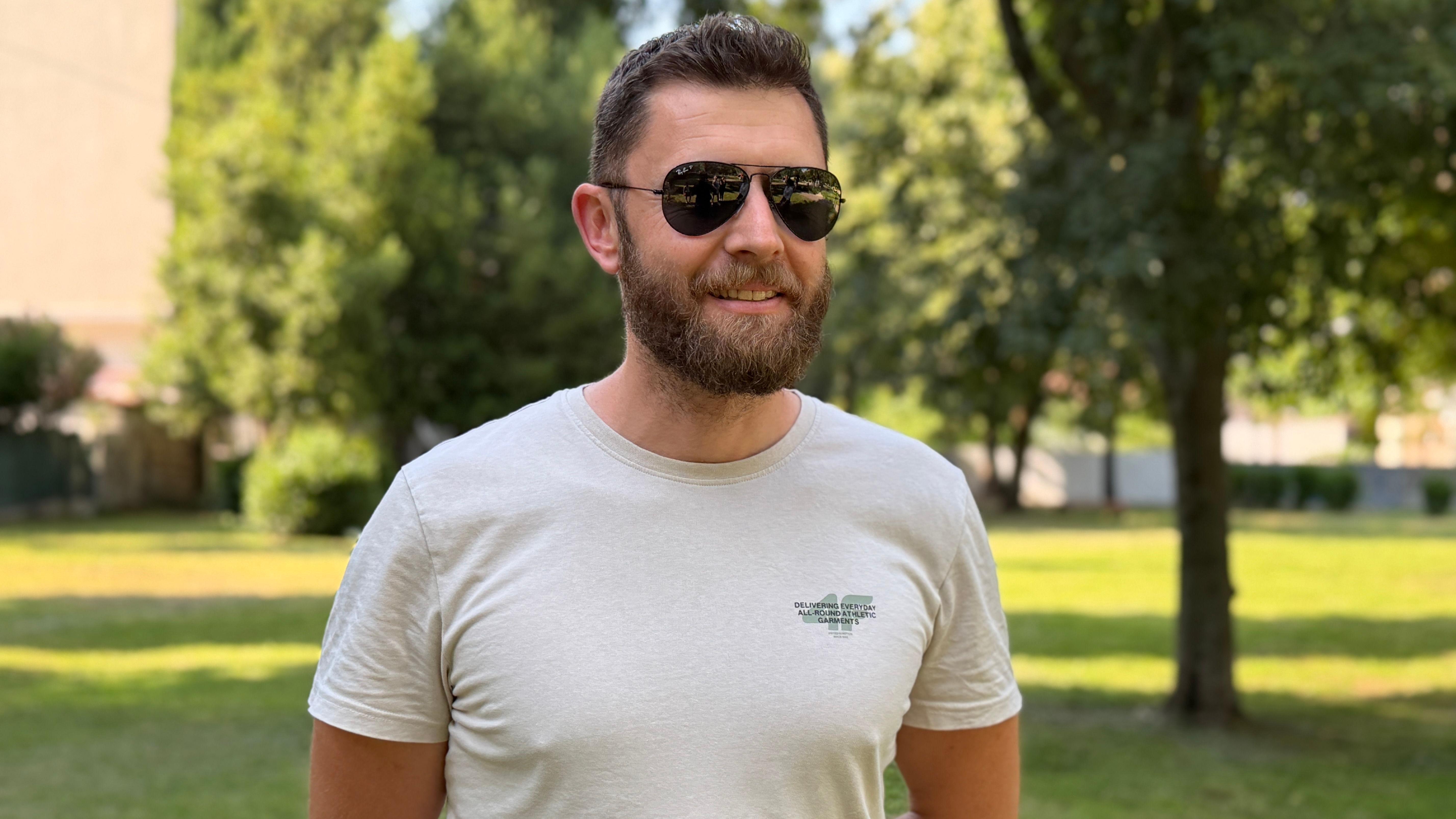
A few hundred meters away, in a park on the west side of Mostar, I meet Josip Papić.
He says that he would not be jealous if Bosnia and Herzegovina achieved success at the World Cup, but he also admits that he would not be particularly happy either.
Until now, he has never supported Bosnia and Herzegovina, and to my question whether he could support him, he says that it depends on who would be on the other side of the field.
“If I played against Switzerland, I would support Bosnia. And if I played against Croatia, then my choice is Croatia,” says Papić.
Any chance of double luck, I ask him.
“You can’t support two national teams. One is the one you love, and the other – you don’t hate it if it loses.”
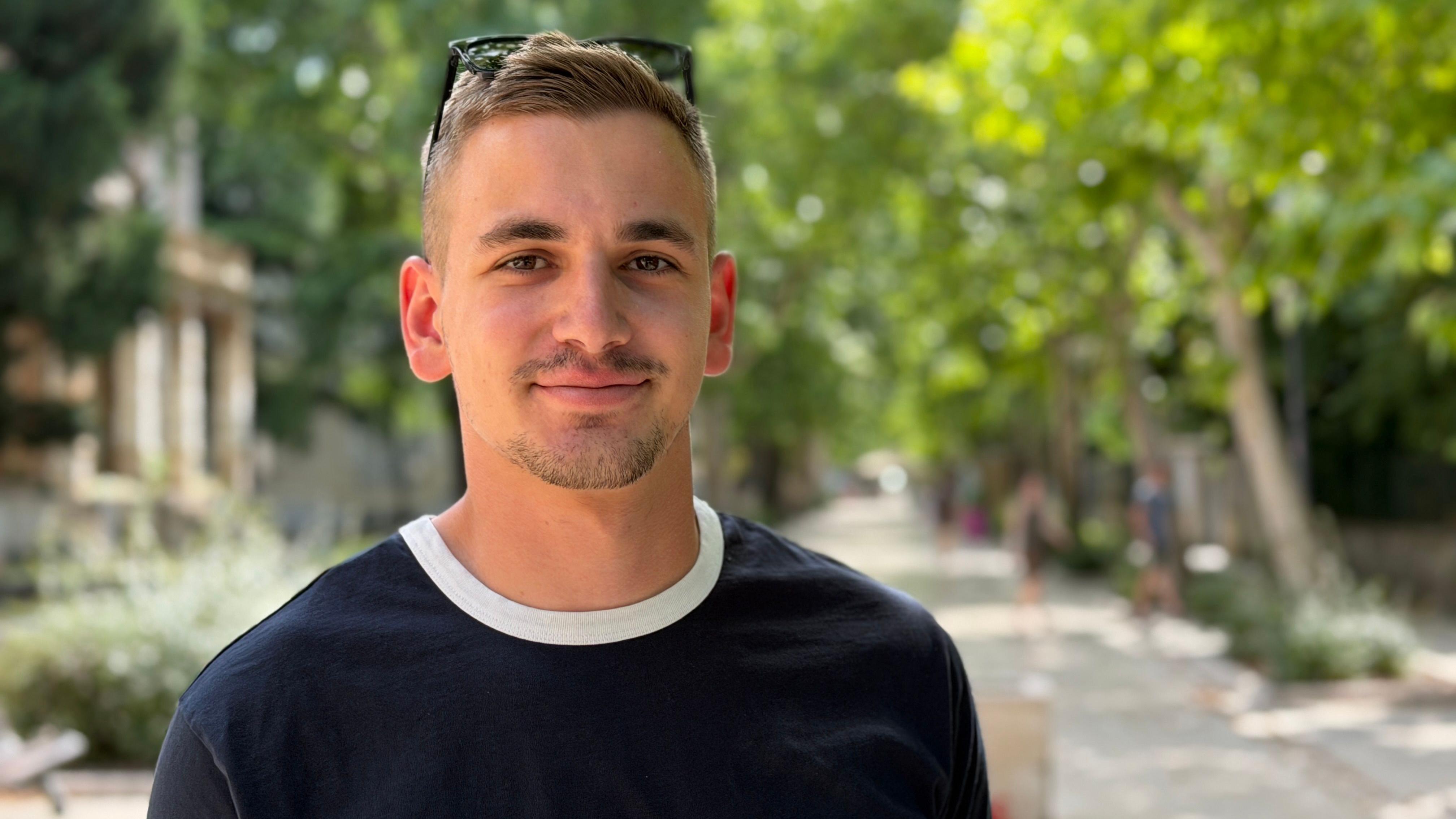
After qualifying for the World Cup, BiH national team coach Sergej Barbarez was welcomed as a rock and roll star in his native Mostar.
However, even that is not enough for many Mostars to be fans of Bosnia and Herzegovina.
His fellow citizen Mateo Knežević also supports Croatia, but admits – a little bit about Bosnia too.
He believes that he can support two countries.
“We will also see off our country, Bosnia, but Croatia is in the first place,” says Knežević.
Banja Luka: When Serbia is not playing…
After visiting Mostar, I get into the car and head towards Banja Luka, the administrative seat of the Republika Srpska, an entity where Serbs mostly live.
After almost four hours of driving, I arrive at a friend’s place, who does not follow sports passionately, but tells me that she will support Bosnia and Herzegovina.
I heard similar answers from some other interlocutors.
A little surprised, I decided to ask them this question: If BiH and Serbia were playing, who would you support?
“For Serbia”, was the most common answer.
For many, Bosnia is only the second choice.
“We’ve been looking at that for years. Nothing new, unfortunately,” Dragana Dardić tells me.
She is not a fan of football, but she watched the match between Bosnia and Herzegovina and Italy in the decisive match of the play-off for placement in the World Cup with the fervor of a fan.
“I enjoyed it, I really did.”
There is no doubt who he will support at the World Cup.
“For Bosnia and Herzegovina,” he says without thinking.
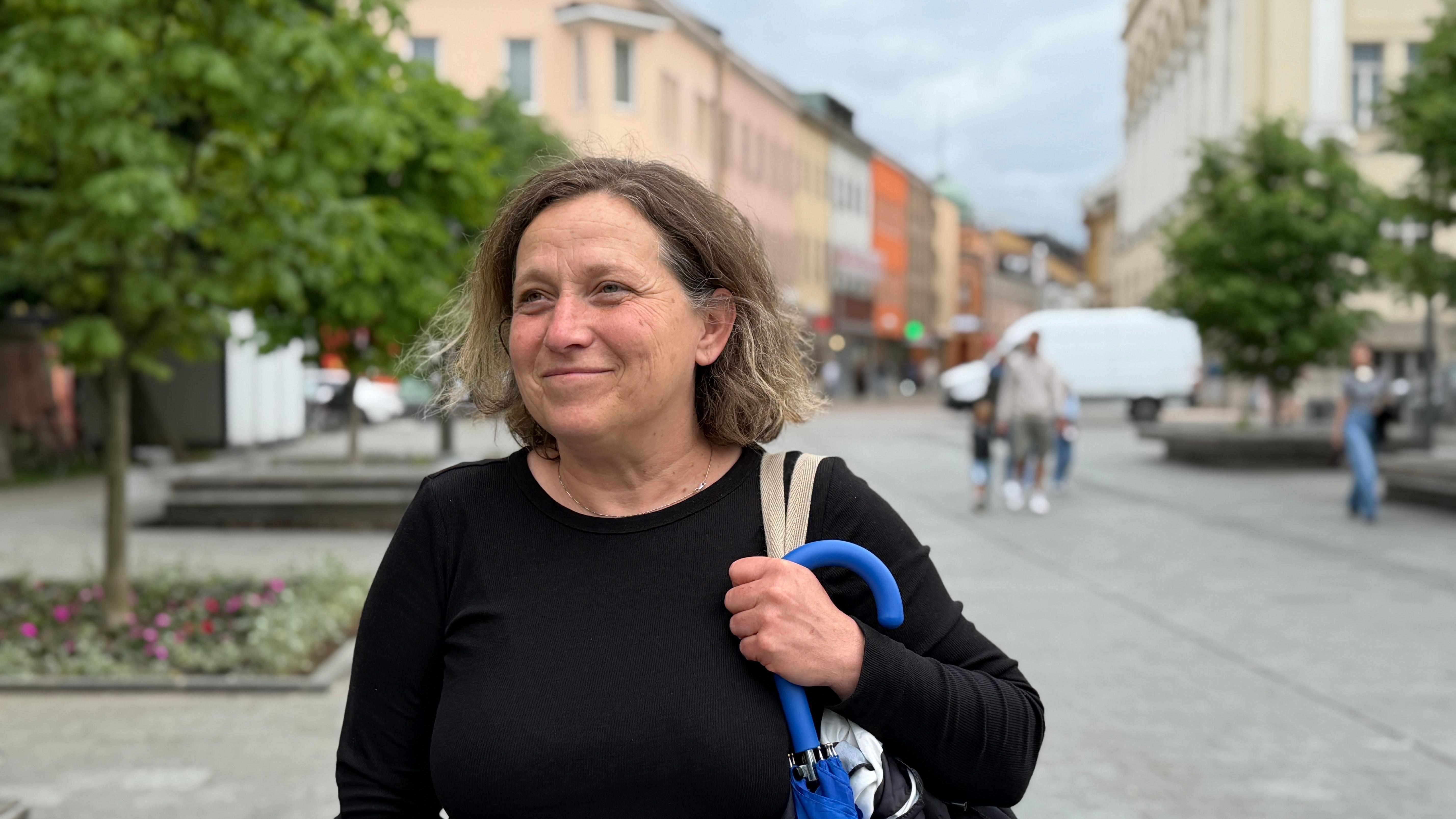
Saša Radić would like it if his fellow citizens would also support the “dragons”, as the nickname of the BiH national team reads.
However, he, like many others, does not leave an ounce of dilemma when asked who he would support in the imaginary duel between Serbia and Bosnia and Herzegovina.
“For Serbia. After all, I lived and studied there,” he answers.
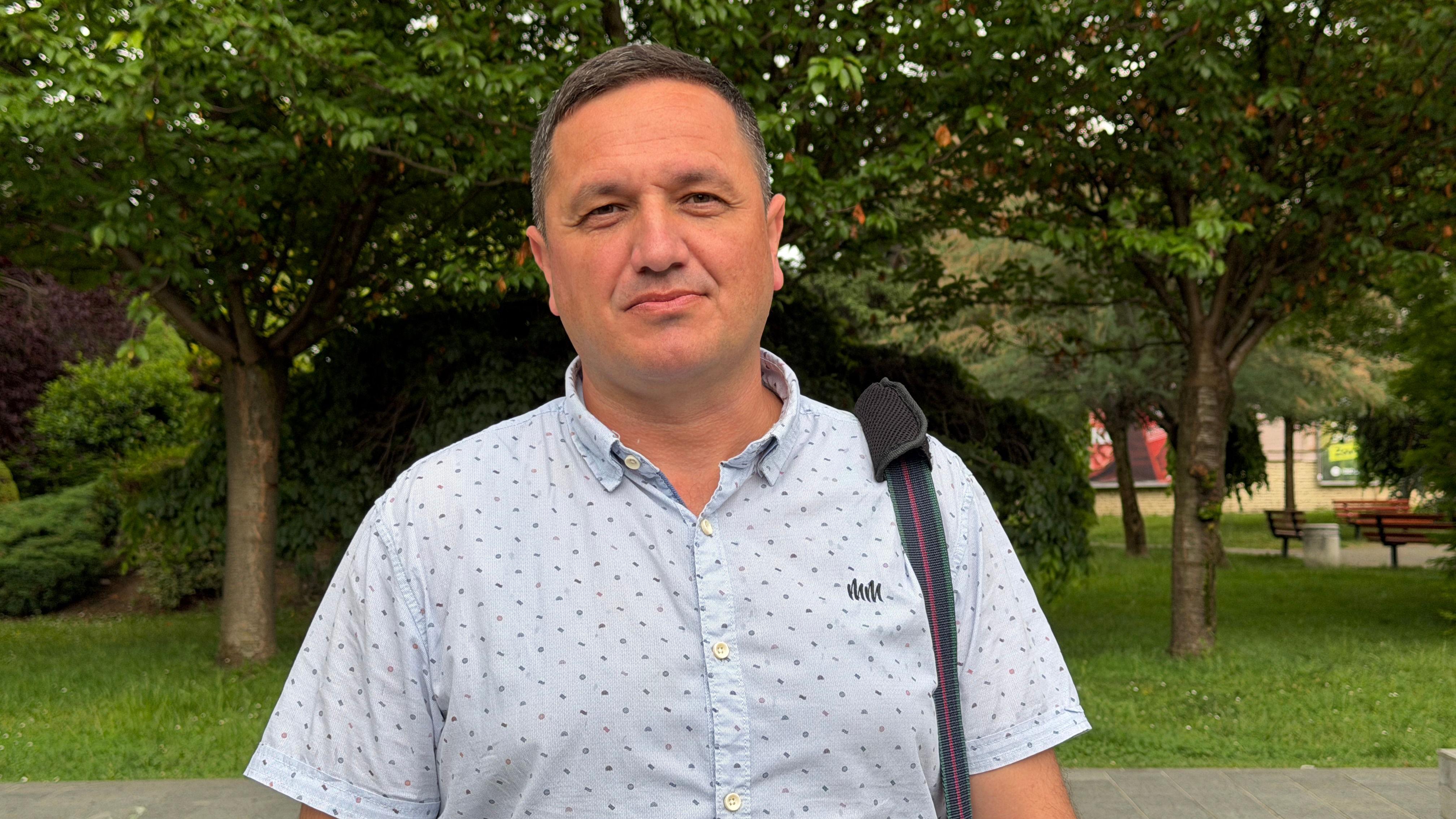
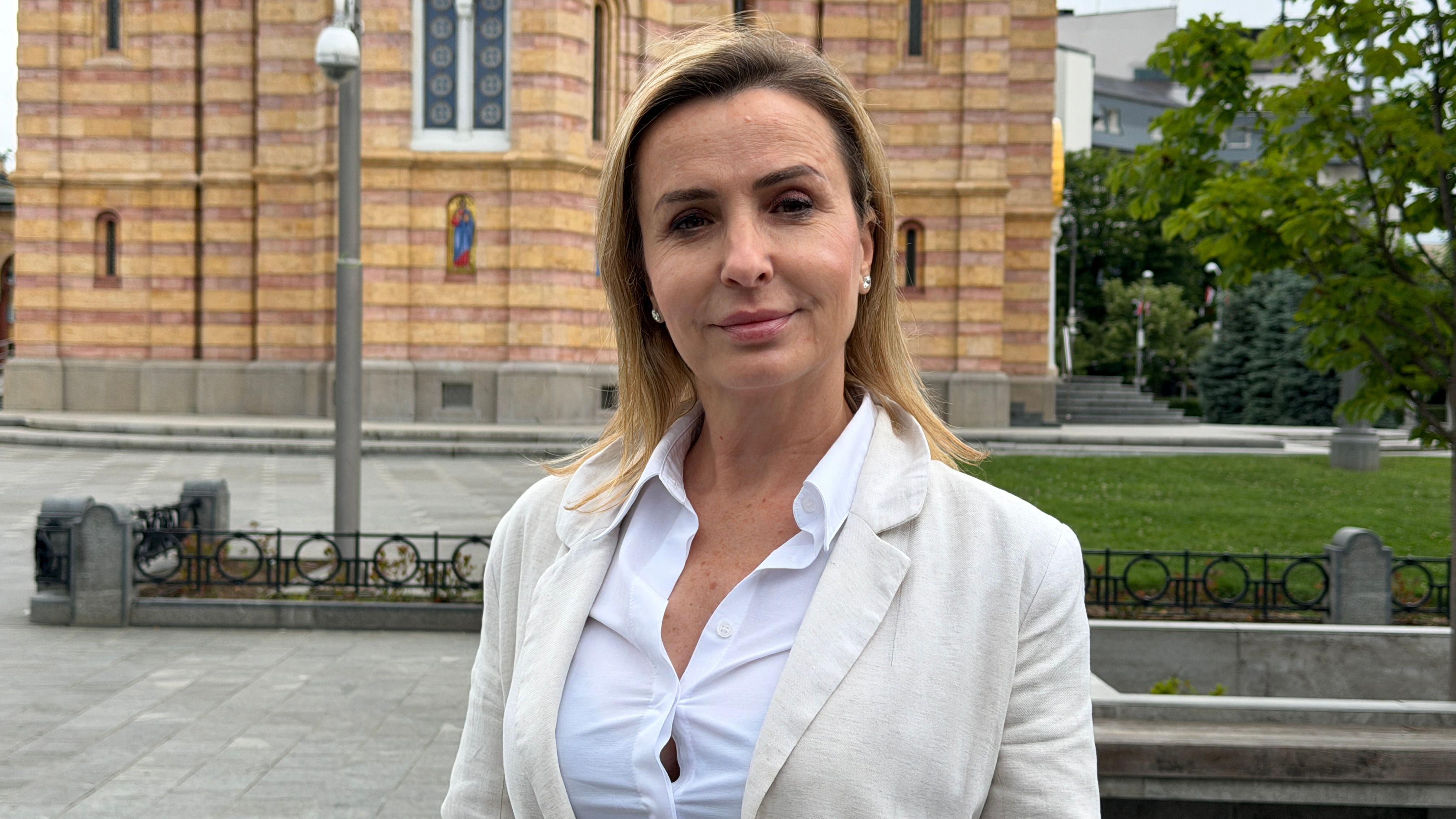
In Banja Luka, BiH is supported only when Serbia is not playing, Marko Tepić tells me.
At this World Cup, his choice is not the country of which he has a passport, but…
“I will support Portugal.”
I ask him if the fact that the goalkeeper of Borc Banja Luka is defending the colors of Bosnia and Herzegovina at the World Cup can change his attitude.
“I don’t look at it in terms of individuals. I will look forward to the success of Bosnia and Herzegovina, but the fact that several of our footballers will play does not make a difference to us.”
“It is necessary that more of our Serbian players play for Bosnia and Herzegovina,” says Tepić.
In the Bosnia-Portugal match, he would support the national team from the Iberian Peninsula.
His namesake, Marko Šarenac, has supported Serbia until now, but the largest country in the Western Balkans did not qualify for this year’s World Cup.
Probably, he says, he will support Brazil, the only national team that has qualified for every championship since it was founded in 1930.
“If Bosnia and Herzegovina passes the group stage, I might start cheering them on,” this 18-year-old tells me.
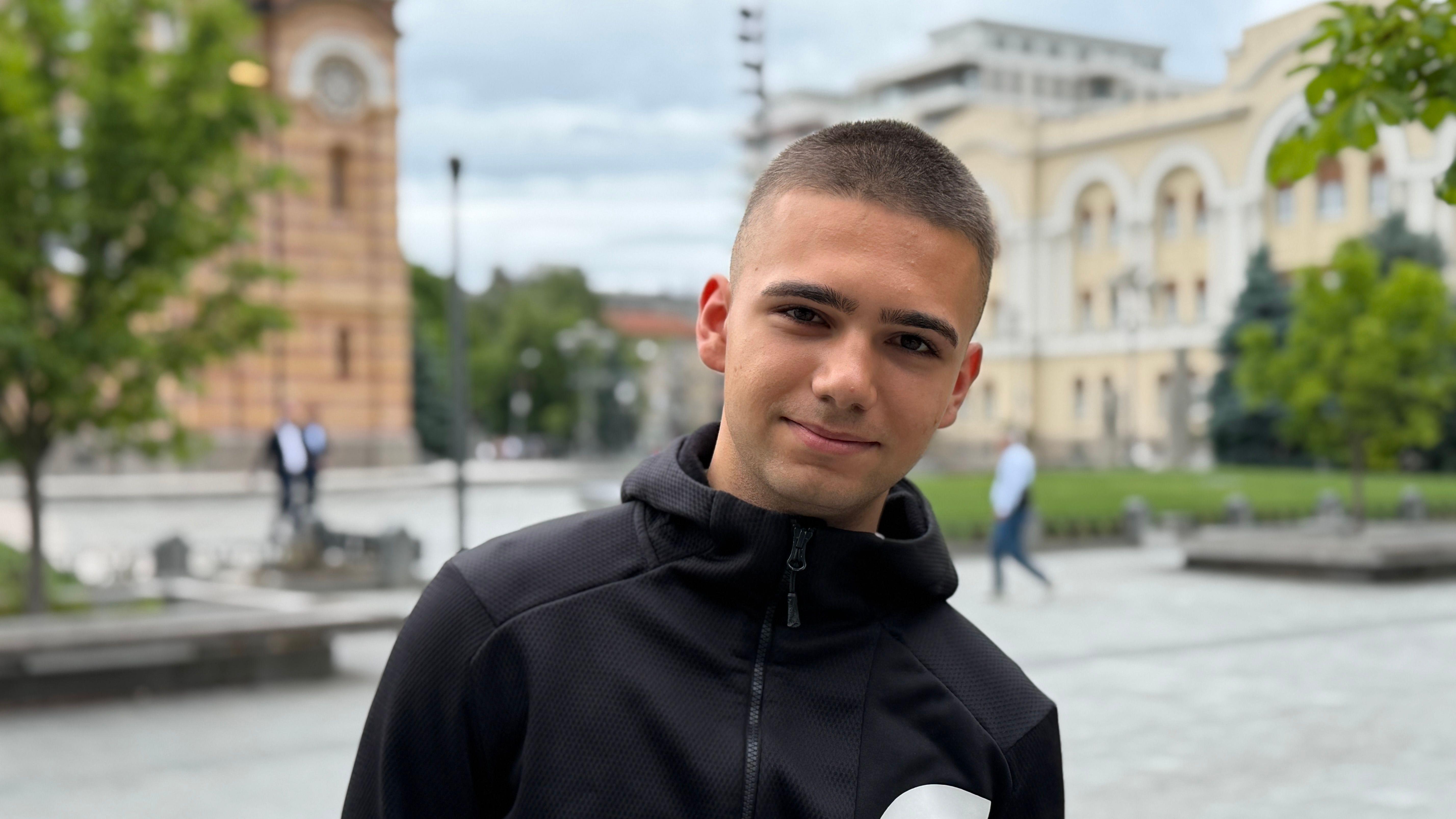
Born in Banja Luka, Mirsad Pehlivanović has been living in Sweden for a long time, but he will support Bosnia.
He says that the current lineup of the BiH national team is “the best so far”, and better than the one led by the legendary Safet Sušić in 2014.
“And I’ve been following football for half a century,” he notes.
He is aware that many Banja Luka residents will not support Bosnia and Herzegovina and respects their choice.
Nevertheless, he emphasizes: “For me, it is inconceivable that someone does not support his own country.”
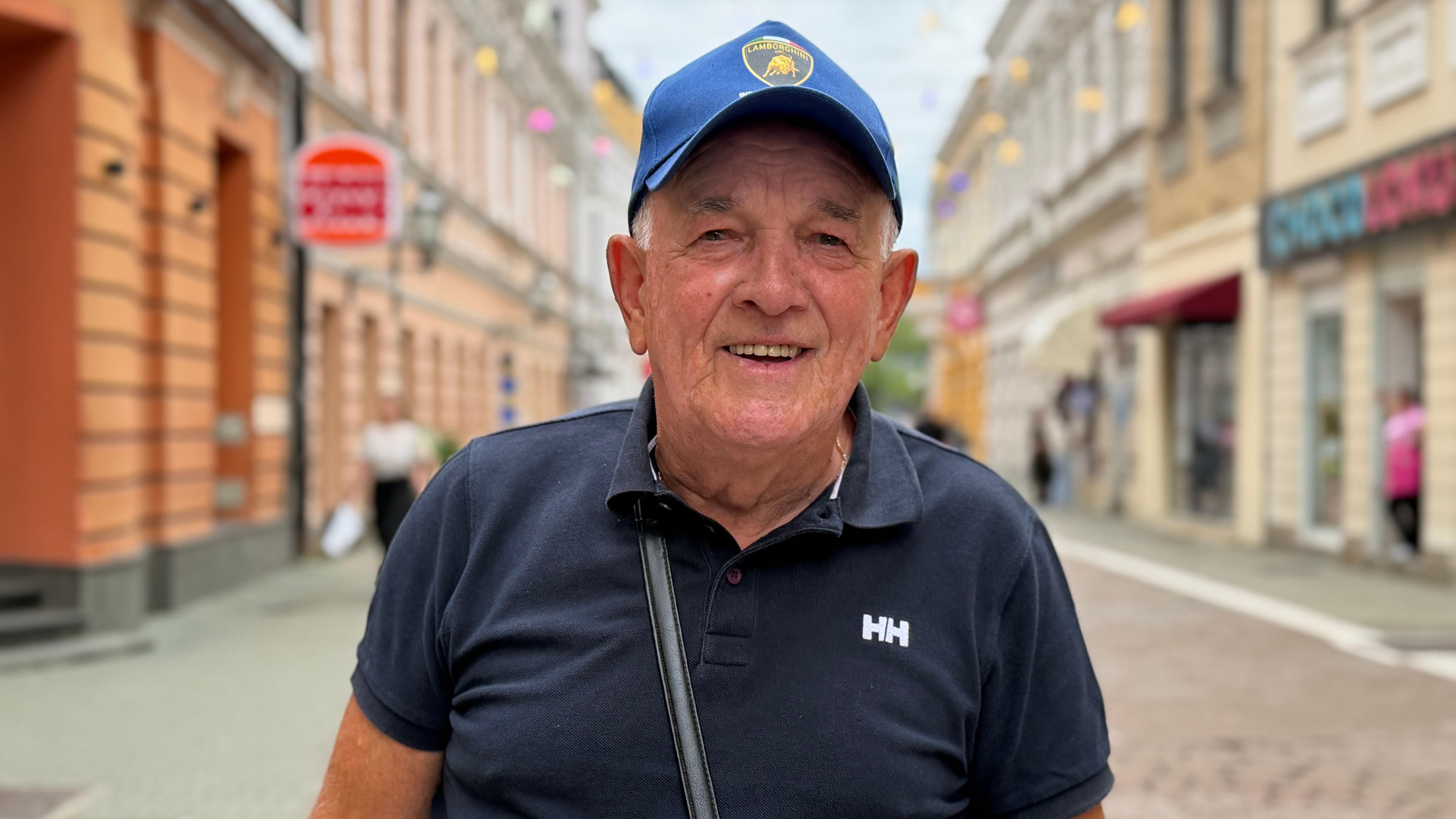
Why do some in Bosnia and Herzegovina not support the national team?
Supporting the national team in Bosnia and Herzegovina is not only a sporting issue, but a precise sociological parameter of the relationship towards the state, identity and collective belonging, according to sociologist Osmić.
In societies with a stable political identity, representation usually functions as a symbol of unity, he explains.
Nevertheless, in BiH, the attitude towards the national team often reveals the depth of ethnic, political and emotional divisions that exist primarily outside of sports.
“We often see that many in Bosnia and Herzegovina support the national teams of neighboring countries.
“And that irritates those who support only the national team of the country they live in,” says Osmić.
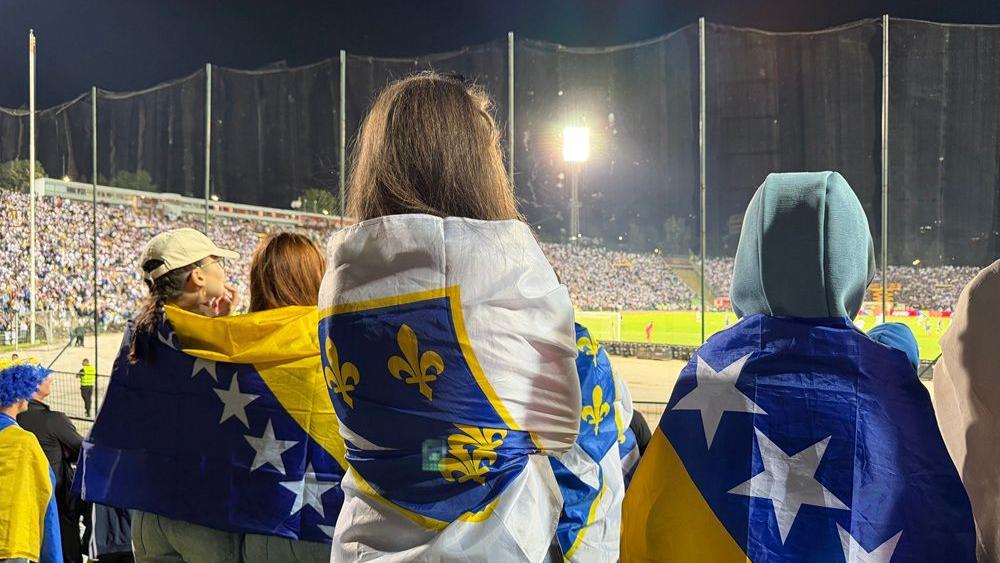
Being a fan is not only a sporting choice, but also, according to the professor, the result of a long-term process in which ethnic identity is often perceived more strongly than national identity.
“Mostar and Banja Luka are good examples of places where fan choice often overlaps with ethnicity, family narratives, education, media and political socialization.”
Young people inherit not only love for a club or national team, but also an interpretation of history, feelings of belonging, and even emotional distance from their own country, he points out.
He calls it “absurd” that the BiH national team gathers players from the diaspora who “show strong belonging to the country of origin, while some who live in BiH do not feel that belonging or consciously reject it.”
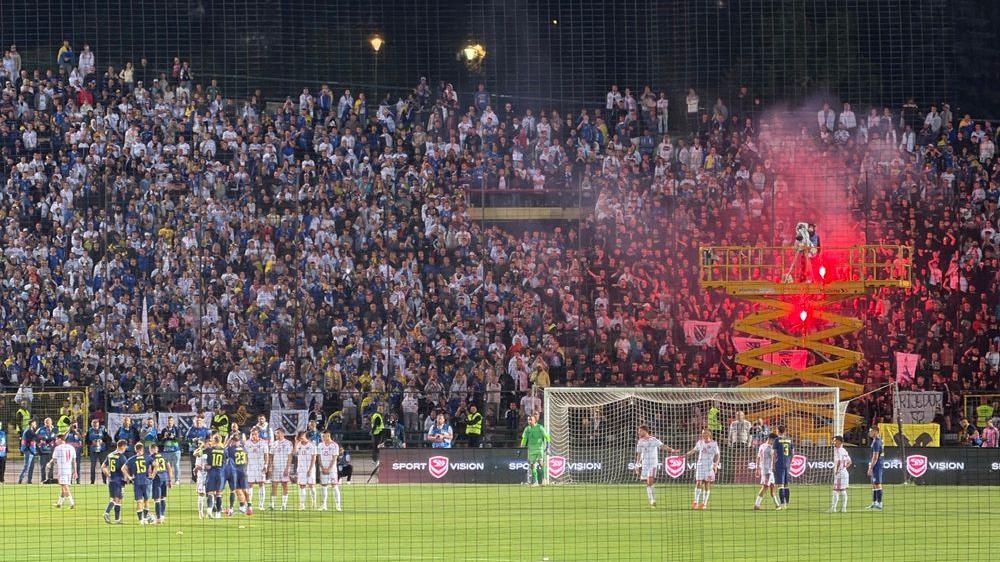
In Sarajevo, in unison: ‘The scent of lilies spreads through the field’
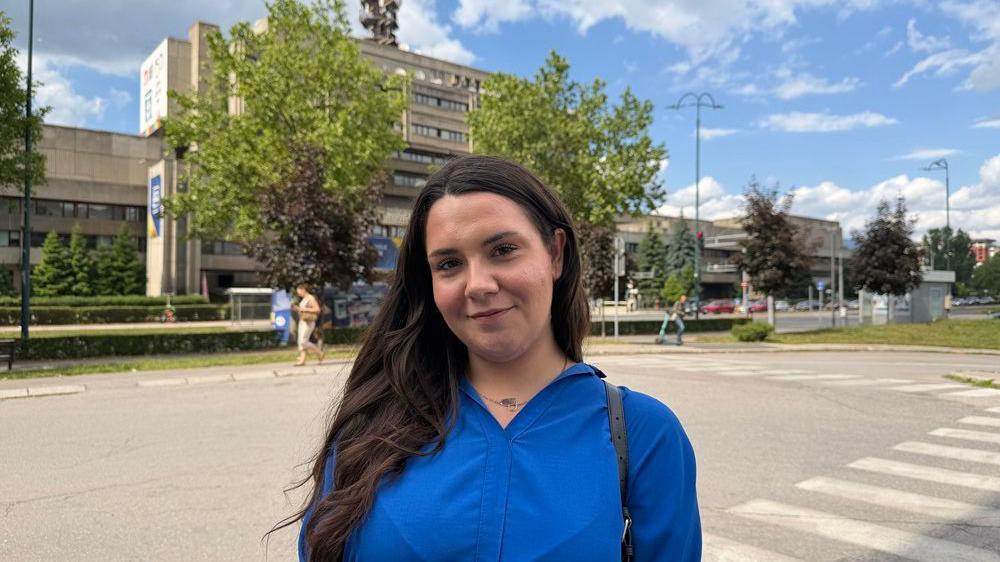
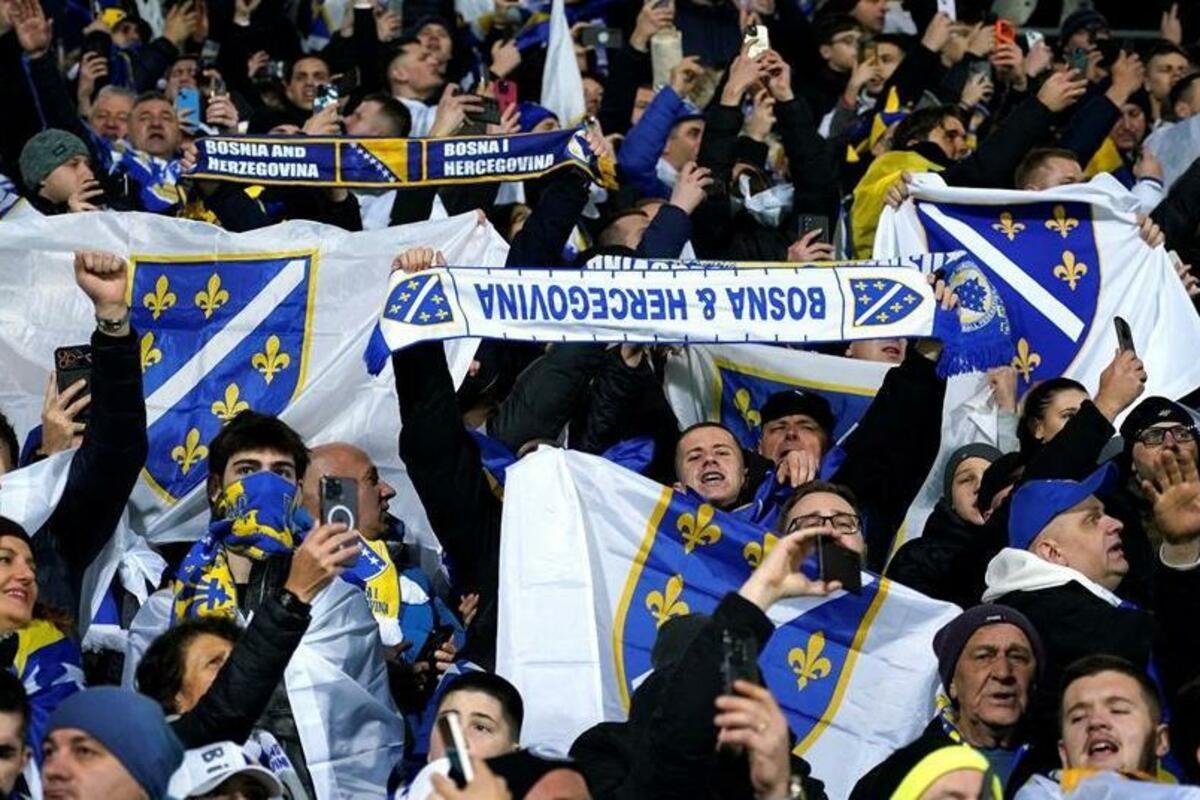
While in Mostar and Banja Luka the BiH representation does not have unequivocal support, in Sarajevo, the capital, unity reigns.
“Of course I will support our country Bosnia and Herzegovina,” Adna Voljevica tells me.
He believes that everyone should support the country in which they live.
“Everyone has the right to support whoever they want, but I definitely think that the citizens of Bosnia and Herzegovina should stand by their national team.”
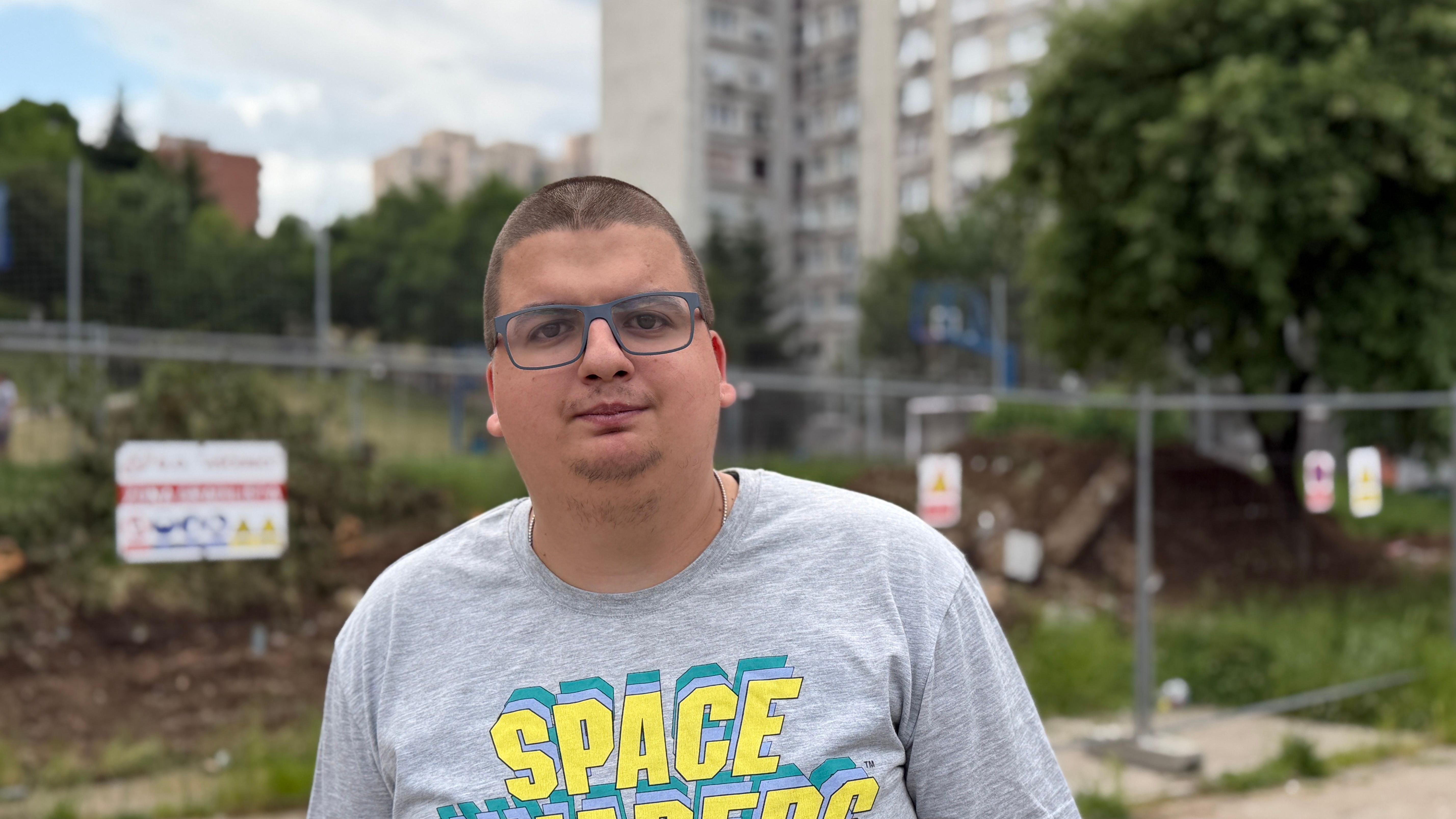
Her fellow citizen Benjamin Softić thinks similarly.
“We should fight for our colors regardless of where we are from – from the Federation of Bosnia and Herzegovina, Republika Srpska or from the Brčko District.”
Fan elections are, however, a matter of subjective attitude, he adds.
He is aware that there are those who will cheer against Bosnia, but he says:
“I think there are more of us who are for Bosnia and Herzegovina.”
BBC is in Serbian from now on and on YouTube, follow us HERE.
Follow us on Facebook, Twitter, Instagram, YouTube and Viber. If you have a topic suggestion for us, please contact bbcnasrpskom@bbc.co.uk
Download the application and follow the news


FOLLOW US ON

News