Revenue from royalties on the production of oil fired after the start of war in Iran and reached a record in May, with more than R$8 billion. The extra revenue benefits the federal government and should help Rio de Janeiro close the year with a deficit much lower than expected.
According to data from the ANP (National Agency for Petroleum, Gas and Biofuels), revenue from royalties in May totaled R$8.2 billion. This is an increase of 68% compared to the previous month, when the effects of the war were not yet felt in this revenue.
Royalties are paid two months after the actual production of oil and natural gas. That is, the May payment corresponds to March production, when the international oil price was already operated above US$ 100 per barrelinfluencing the price of oil produced in the country.
According to the ANP, for example, the price of oil from Búzios, the field that pays the most royalties in the country, rose from R$2,181 per cubic meter to R$3,204 per cubic meter between February and March. It is an increase of 47%.
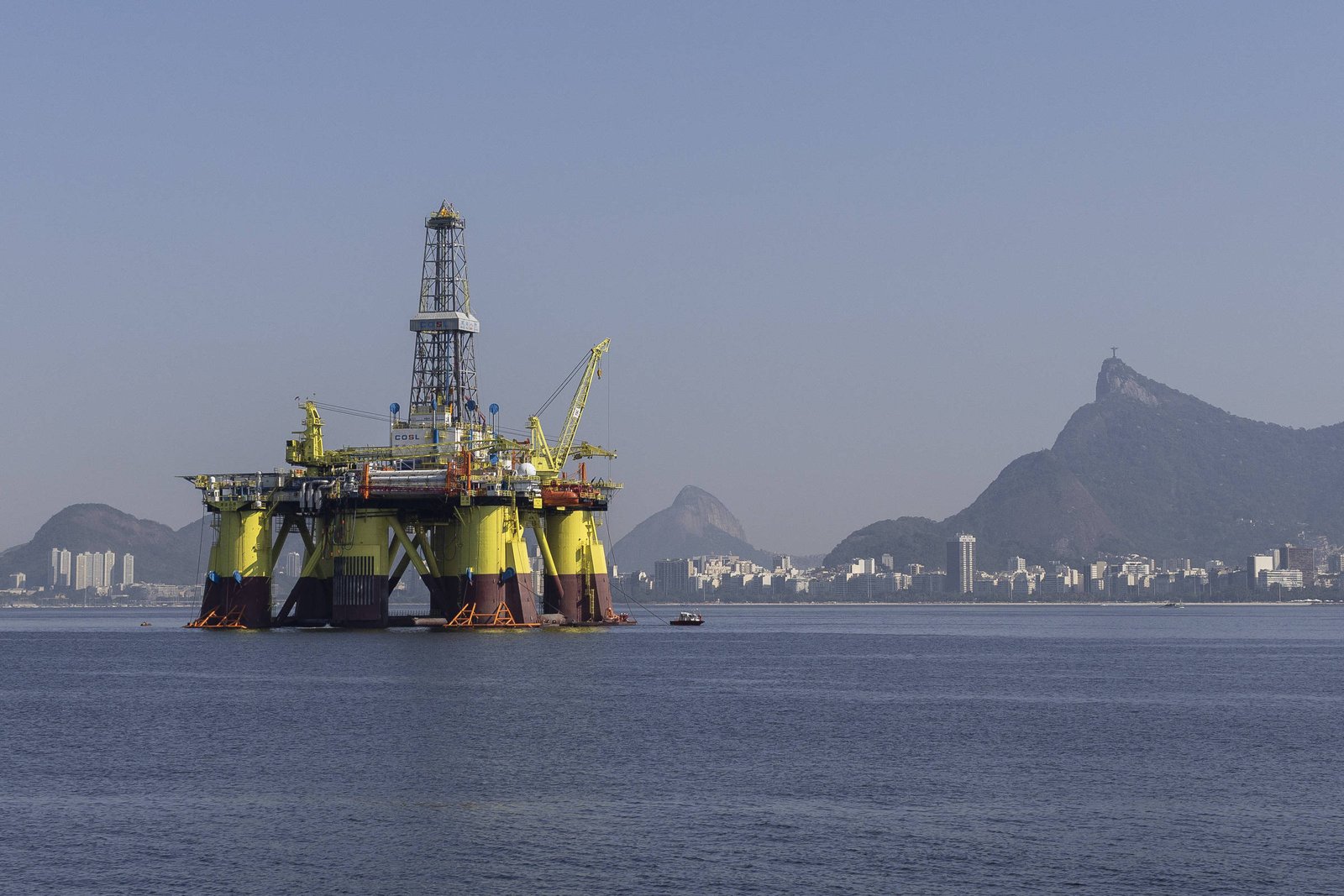
In May alone, this field guaranteed almost R$2 billion to the public coffers. In it, the Petrobras produced, on average, 886 thousand barrels of oil per day, equivalent to a fifth of national production.
The Union, the largest beneficiary, received R$2.5 billion in royalties in May. The resources are divided between investments in education and health, the Navy command, the Ministry of Science and Technology and special funds to manage oil resources.
Revenue from royalties is especially important for the state of Rio de Janeiro, which benefits from giant pre-salt fields. In May, state coffers received R$1.8 billion from this item, according to ANP data.
The perspective is that values will remain high, as international prices continue to rise and national production has been breaking successive records. In addition, oil companies pay another compensation called special participation, calculated every quarter, which will also increase with more expensive oil.
“The governor (interim, Ricardo Couto) must be laughing from ear to ear”, says former director general of the ANP David Zylbersztajn. “He has already been cutting expenses and very good extraordinary income will come in.”
In fact, the state government is finalizing the calculations of a new deficit projection, lower than the R$19 billion forecast at the beginning of the year. According to the Secretary of Finance, Guilherme Mercês, the goal is, with additional measures, to “deliver the state into the black” for the next government.
The measures include strengthening the fight against tax evasion. “We are already working and will intensify actions to increase ICMS collection without increasing taxes. We will not be dependent on royalties”, says Mercês.
Municipalities in Rio de Janeiro in front of the pre-salt also received relevant portions. Maricá, in the metropolitan region, for example, raised R$361 million in the month. Its neighbor Saquarema, the second largest collector in the country, received R$303 million.
Together, the state government and Rio’s municipalities kept almost half of the royalties collected in the month. The high concentration of resources is a topic of conflict between the state and other units of the federation.
At the beginning of the month, the STF (Federal Supreme Court) resumed after 13 years trial of action filed by producing states against law that redistributed resourcestransferring part of the income to non-benefiting states. The debate was suspended following a request from Minister Flávio Dino.
Those who do not benefit claim that oil is a resource for all Brazilians and, therefore, should benefit everyone. They further argue that the concentration of oil wealth impeded industrial development from Rio de Janeiro.
Rio argues that royalties are compensatory in nature and, therefore, should be paid to regions impacted by oil exploration. It also maintains that the Constitution viewed this revenue as compensation for the ICMS charge on oil in the consuming state.