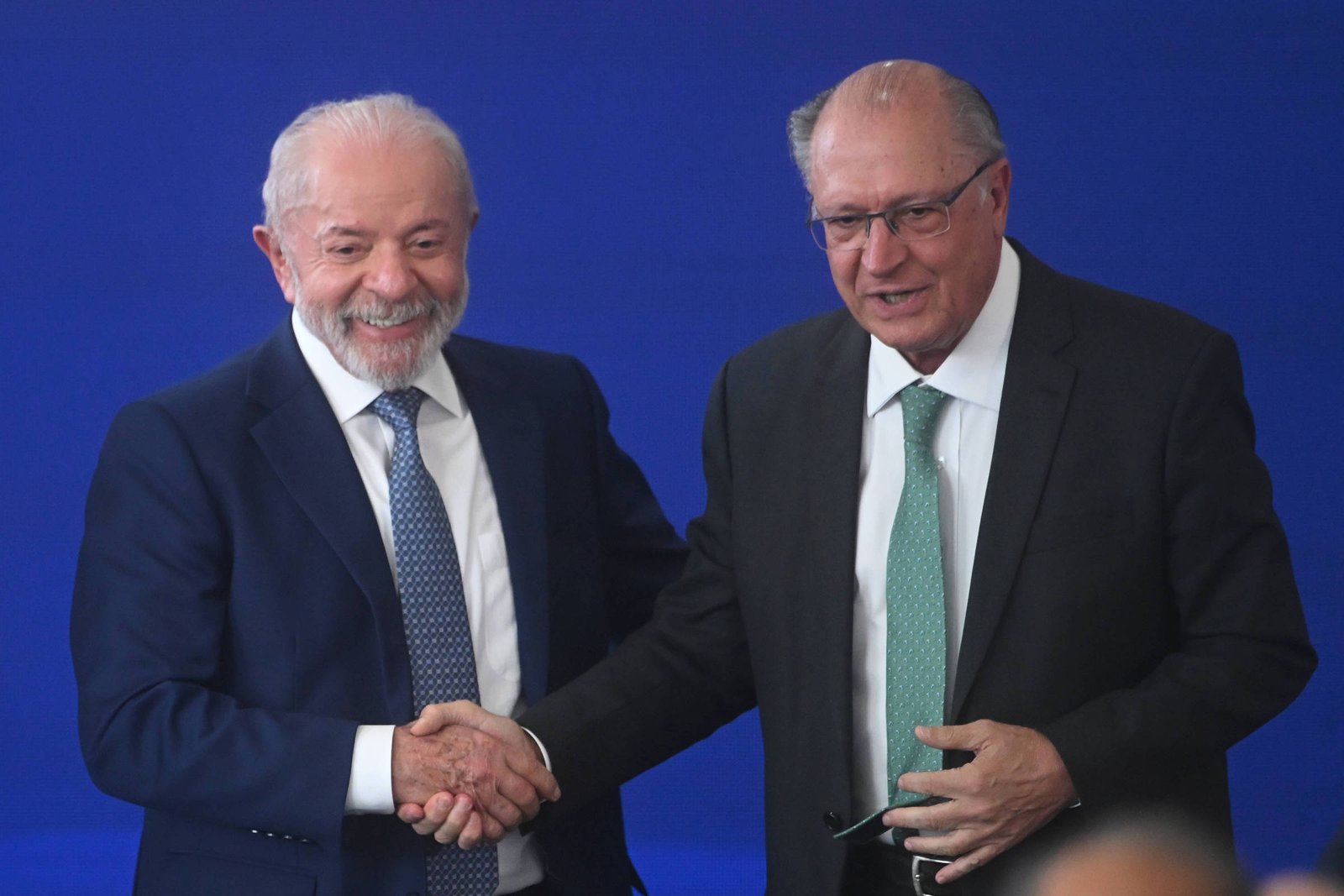
The Luiz Inácio government Lula da Silva (PT) made the rules for applying resources from the FNDCT (National Fund for Scientific and Technological Development) more flexible to unlock the line of credit for purchasing agricultural machinerylaunched by vice-president Geraldo Alckmin on Monday (8) during the Bahia Farm Show.
According to Alckmin, the credit line will be R$14 billion.
In April, during Agrishow, the vice-president had already promised to release up to R$10 billion for the acquisition of tractors, sprayers, harvesters, seeders, among other items of machinery and agricultural implements, serving a segment that mostly supports the camp opposing Lula.
The measure took time to be regulated because current FNDCT rules only allow up to 25% of resources to be operated by other financial institutions. The other 75% are managed by Finep (Financier of Studies and Projects).
Government members believe that the ideal is to decentralize up to 100% of values, to disperse resources and make contracting operations more agile. The change was approved at a meeting of the FNDCT board of directors on May 26, almost a month after the first announcement of the line, and applies to values related to the financial surplus (revenue collected by the fund, but not applied in previous years).
A week earlier, the topic had already been discussed by the members of the collegiate, but was removed from the agenda at the request of the MCTI (Ministry of ScienceTechnology and Innovation), under the justification that it was necessary to make adjustments to the proposal.
The episode was seen by members of the collegiate as a sign of the ministry’s resistance to making the use of the fund more flexible, which would reduce the body’s direct influence over the projects contemplated. The ministry denies having objected to the change.
However, FNDCT financing was already in the sights of the economic teamwho expressed growing dissatisfaction with what he considered to be a “strategy misalignment” between Finep’s management and federal government policies.
As shown by SheetPresident Lula published a decree which created an interministerial council coordinated by the Civil House to monitor project compliance included in the annual plan for the application of FNDCT resources.
According to government interlocutors, it was through this council that the Executive guided the approval of the relaxation of the rules to unlock the line. With the new resolution approved on May 26, it will now be up to Finep to regulate the conditions, such as interest rate and payment deadline.
The executive secretary of MCTI, Luis Fernandes, told Sheet that there was no objection from the department to the flexibility in the use of the financial surplus, but rather a “problem of inadequacy of the text”. The initial proposal provided for a specific change to the resolution that governs the use of the fund’s repayable resources (that is, loans that need to be paid by the borrower), but the final option was to publish a specific resolution on the use of the financial surplus.
“In the discussion we saw that this (specific change) creates a lot of confusion, because we are not changing the general guidelines of the fund. (The rule) was exceptional for this specific line”, he says.
Fernandes highlighted that the easing of conditions only applies to the FNDCT’s financial surplus, but the value is considerable. There is already an accumulation of R$23 billion from previous years, and the value could reach R$28 billion with the excess collection this year. The fund is supplied with part of oil royalties, revenues from Cide (Contribution for Intervention in the Economic Domain) on different sectors, among other sources.
According to the secretary, the resolution authorizes that up to 50% of the financial surplus be directed to the new line of technological dissemination of innovative equipment.
The new standard will also make the regional focus of operations more flexible. “The technological diffusion lines, according to the guidelines of the previous resolution, were focused only on the North, Northeast, Central-West regions and our intention is that this line has national coverage”, he states.
Another change is the permission for operations contracted via financial institutions to include large companies, which previously could only raise funds directly from Finep. In the previous resolution, decentralized operations were restricted to micro, small and medium-sized companies.
According to Fernandes, the interest rate and term conditions will be regulated by Finep. “I can’t announce it, but it’s within what vice-president Alckmin announced at Agrishow, which is a single-digit rate.”
The line of credit for the purchase of agricultural machinery is part of Lula’s package of kindness announced between April and May, just a few months before the election.
The government made up to R$107.5 billion in federal resources available to finance the purchase of a home, the purchase of cars by app drivers or taxi drivers and aid to different economic sectors, such as aviation and trucks. As shown by Sheetthese loans generate an implicit cost of at least R$27.25 billion, due to reduced interest rates, which contributes to increasing public debt.