Wednesday, June 10, 2026
    The GeoStrategic Consensus
    No Result
    View All Result
    • Login
    • HOME
    • AMERICAS
      • Argentina
      • Brazil
      • Canada
      • Chile
      • Colombia
      • Costa Rica
      • Cuba
      • Dominican Republic
      • Ecuador
      • El Salvador
      • Greenland
      • Guatemala
      • Honduras
      • Mexico
      • Nicaragua
      • Panama
      • Paraguay
      • Peru
      • United States
      • Uruguay
      • Venezuela
    • ASIA-PACIFIC
      • Australia
      • Brunei Darussalam
      • Cambodia
      • China
      • Federated States of Micronesia
      • Fiji
      • Indonesia
      • Japan
      • Kiribati
      • Laos
      • Malaysia
      • Marshall Islands
      • Mongolia
      • Myanmar
      • Nauru
      • New Zealand
      • North Korea
      • Palau
      • Papua New Guinea
      • Philippines
      • Samoa
      • Singapore
      • Solomon Islands
      • South Korea
      • Taiwan
      • Thailand
      • Timor-Leste
      • Tonga
      • Tuvalu
      • Vanuatu
      • Vietnam
    • CARICOM
      • CARICOM – Non-English
        • Haiti
        • Suriname
      • CARICOM Associates
        • Anguilla
        • Bermuda
        • British-Virgin-Islands
        • Cayman-Islands
        • Curacao
        • Turks-and-Caicos
      • CARICOM English
        • Antigua and Barbuda
        • Barbados
        • Belize
        • Dominica
        • Grenada
        • Guyana
        • Jamaica
        • Montserrat
        • Saint Kitts and Nevis
        • Saint Lucia
        • Saint Vincent and the Grenadines
        • The Bahamas
        • Trinidad and Tobago
    • EURASIA
      • Armenia
      • Azerbaijan
      • Balarus
      • Georgia
      • Kazakhstan
      • Kyrgyzstan
      • Moldova
      • Russia
      • Tajikistan
      • Turkmenistan
      • Ukraine
      • Uzbekistan
    • EUROPE
      • Albania
      • Andorra
      • Austria
      • Bosnia and Herzegovina
      • Bulgaria
      • Croatia
      • Cyprus
      • Czech Republic
      • Denmark
      • Estonia
      • Finland
      • France
      • Germany
      • Greece
      • Holy See
      • Hungary
      • Iceland
      • Ireland
      • Italy
      • Kosovo
      • Latvia
      • Liechtenstein
      • Lithuania
      • Luxembourg
      • Malta
      • Monaco
      • Montenegro
      • Netherlands
      • North Macedonia
      • Norway
      • Poland
      • Portugal
      • Romania
      • San Marino
      • Serbia
      • Slovakia
      • Slovenia
      • Spain
      • Sweden
      • Switzerland
      • United Kingdom
    • MIDDLE EAST AND NORTH AFRICA
      • Algeria
      • Bahrain
      • Egypt
      • Iran
      • Iraq
      • Israel
      • Jordan
      • Kuwait
      • Lebanon
      • Lybia
      • Morocco
      • Oman
      • Palestinian Territories
      • Qatar
      • Saudi Arabia
      • Syria
      • Tunisia
      • Turkey
      • United Arab Emirates
      • Western Sahara
      • Yemen
    • SOUTH ASIA
      • Afghanistan
      • Bangladesh
      • Bhutan
      • India
      • Maldives
      • Nepal
      • Pakistan
      • Sri Lanka
    • SUB-SAHARAN AFRICA
      • Angola
      • Benin
      • Botswana
      • Burkina Faso
      • Burundi
      • Cabo Verde
      • Cameroon
      • Central African Republic
      • Chad
      • Comoros
      • Cote d’Ivoire
      • Democratic Republic of the Congo
      • Djibouti
      • Equatorial Guinea
      • Eritrea
      • Eswatini
      • Ethiopia
      • Gabon
      • Gambia
      • Ghana
      • Guinea
      • Guinea Bissau
      • Kenya
      • Lesotho
      • Liberia
      • Madagascar
      • Malawi
      • Mali
      • Mauritania
      • Mauritius
      • Mozambique
      • Namibia
      • Niger
      • Nigeria
      • Republic of the Congo
      • Rwanda
      • Sao Tome and Principe
      • Senegal
      • Seychelles
      • Sierra Leone
      • Somalia
      • South Africa
      • South Sudan
      • Sudan
      • Tanzania
      • Togo
      • Uganda
      • Zambia
      • Zimbabwe
    • HOME
    • AMERICAS
      • Argentina
      • Brazil
      • Canada
      • Chile
      • Colombia
      • Costa Rica
      • Cuba
      • Dominican Republic
      • Ecuador
      • El Salvador
      • Greenland
      • Guatemala
      • Honduras
      • Mexico
      • Nicaragua
      • Panama
      • Paraguay
      • Peru
      • United States
      • Uruguay
      • Venezuela
    • ASIA-PACIFIC
      • Australia
      • Brunei Darussalam
      • Cambodia
      • China
      • Federated States of Micronesia
      • Fiji
      • Indonesia
      • Japan
      • Kiribati
      • Laos
      • Malaysia
      • Marshall Islands
      • Mongolia
      • Myanmar
      • Nauru
      • New Zealand
      • North Korea
      • Palau
      • Papua New Guinea
      • Philippines
      • Samoa
      • Singapore
      • Solomon Islands
      • South Korea
      • Taiwan
      • Thailand
      • Timor-Leste
      • Tonga
      • Tuvalu
      • Vanuatu
      • Vietnam
    • CARICOM
      • CARICOM – Non-English
        • Haiti
        • Suriname
      • CARICOM Associates
        • Anguilla
        • Bermuda
        • British-Virgin-Islands
        • Cayman-Islands
        • Curacao
        • Turks-and-Caicos
      • CARICOM English
        • Antigua and Barbuda
        • Barbados
        • Belize
        • Dominica
        • Grenada
        • Guyana
        • Jamaica
        • Montserrat
        • Saint Kitts and Nevis
        • Saint Lucia
        • Saint Vincent and the Grenadines
        • The Bahamas
        • Trinidad and Tobago
    • EURASIA
      • Armenia
      • Azerbaijan
      • Balarus
      • Georgia
      • Kazakhstan
      • Kyrgyzstan
      • Moldova
      • Russia
      • Tajikistan
      • Turkmenistan
      • Ukraine
      • Uzbekistan
    • EUROPE
      • Albania
      • Andorra
      • Austria
      • Bosnia and Herzegovina
      • Bulgaria
      • Croatia
      • Cyprus
      • Czech Republic
      • Denmark
      • Estonia
      • Finland
      • France
      • Germany
      • Greece
      • Holy See
      • Hungary
      • Iceland
      • Ireland
      • Italy
      • Kosovo
      • Latvia
      • Liechtenstein
      • Lithuania
      • Luxembourg
      • Malta
      • Monaco
      • Montenegro
      • Netherlands
      • North Macedonia
      • Norway
      • Poland
      • Portugal
      • Romania
      • San Marino
      • Serbia
      • Slovakia
      • Slovenia
      • Spain
      • Sweden
      • Switzerland
      • United Kingdom
    • MIDDLE EAST AND NORTH AFRICA
      • Algeria
      • Bahrain
      • Egypt
      • Iran
      • Iraq
      • Israel
      • Jordan
      • Kuwait
      • Lebanon
      • Lybia
      • Morocco
      • Oman
      • Palestinian Territories
      • Qatar
      • Saudi Arabia
      • Syria
      • Tunisia
      • Turkey
      • United Arab Emirates
      • Western Sahara
      • Yemen
    • SOUTH ASIA
      • Afghanistan
      • Bangladesh
      • Bhutan
      • India
      • Maldives
      • Nepal
      • Pakistan
      • Sri Lanka
    • SUB-SAHARAN AFRICA
      • Angola
      • Benin
      • Botswana
      • Burkina Faso
      • Burundi
      • Cabo Verde
      • Cameroon
      • Central African Republic
      • Chad
      • Comoros
      • Cote d’Ivoire
      • Democratic Republic of the Congo
      • Djibouti
      • Equatorial Guinea
      • Eritrea
      • Eswatini
      • Ethiopia
      • Gabon
      • Gambia
      • Ghana
      • Guinea
      • Guinea Bissau
      • Kenya
      • Lesotho
      • Liberia
      • Madagascar
      • Malawi
      • Mali
      • Mauritania
      • Mauritius
      • Mozambique
      • Namibia
      • Niger
      • Nigeria
      • Republic of the Congo
      • Rwanda
      • Sao Tome and Principe
      • Senegal
      • Seychelles
      • Sierra Leone
      • Somalia
      • South Africa
      • South Sudan
      • Sudan
      • Tanzania
      • Togo
      • Uganda
      • Zambia
      • Zimbabwe
    No Result
    View All Result
    Agentially
    No Result
    View All Result
    Home EUROPE Austria

    The aliens are shaking up our ecosystems – DiePresse.com

    The Analyst by The Analyst
    June 10, 2026
    in Austria
    The aliens are shaking up our ecosystems – DiePresse.com


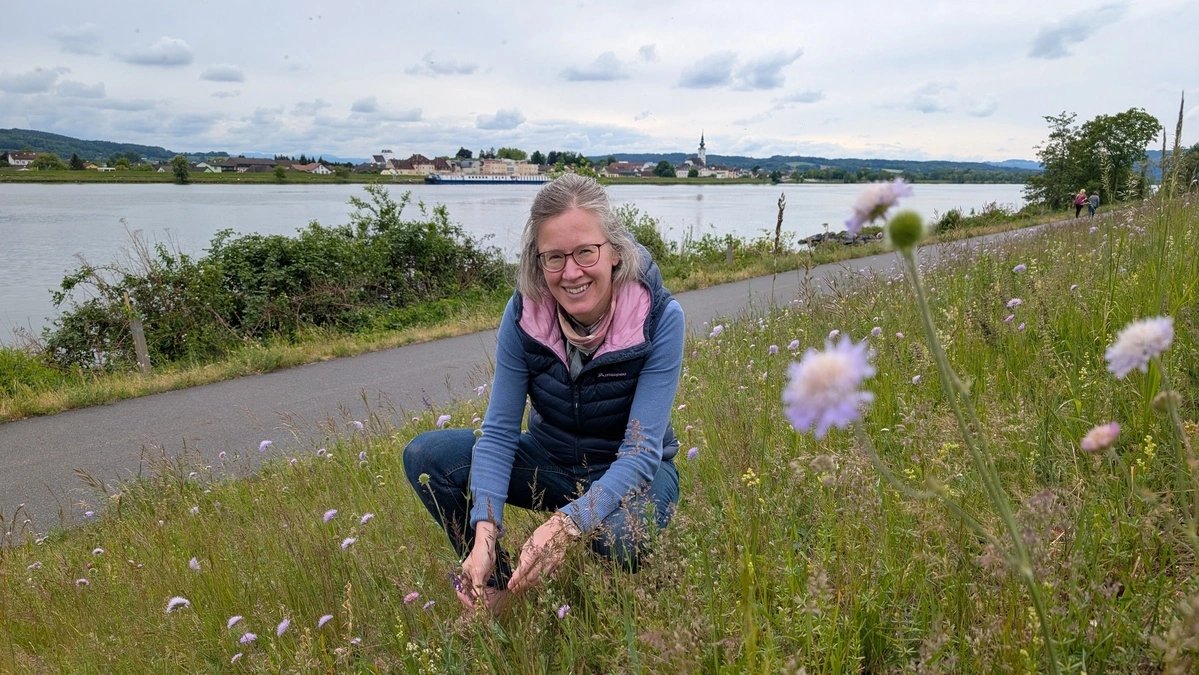
    “We don’t work with slugs in these experiments because they eat everything anyway,” says Christine Sheppard, almost laughing, about the experiments Boku-Gardens on the Türkenschanze in Vienna Währing. The Swiss-born researcher has been in Vienna for almost a year after working in New Zealand and Germany. She took over the Boku Chair for Botany and Vegetation Ecology in September and has headed the Institute of Botany since January 2026. In the conversation, she explains the ecosystem consequences of the invasion of alien plants. In addition to disrupting the species community and displacing native plants and animals, other consequences of the establishment of new species include their impact on food webs and larger connections in a meadow or forest system.

    READ ALSO

    How bad is the air quality in the EU? – DiePresse.com

    Formula 1: Super talent Antonelli also on course for victory in Monaco – DiePresse.com

    The first project that Sheppard is supervising at Boku is investigating how climate change affects invasions of semi-arid grasslands, but also how herbivores, i.e. herbivores, react to newly introduced species. The herbivores planned for the test series are not goats or slugs, but rather caterpillars, snails and similar plant pests in our region, which do not uniformly eat everything that comes into their mouths.

    Christine Sheppard in one of the jewelweed experiments.

    Christine Sheppard in one of the jewelweed experiments. Sheppard

    Sheppard has been researching the short- and long-term dynamics of plant diversity since her master’s and PhD thesis. Not only climate change and global warming play a role in the spread of alien species, but also humans with travel, global trade and decorating gardens with alien species.

    Plant invasions and their interaction with other species, be they animals, plants or fungi, which can act in symbiosis or as a pest, are Sheppard’s specialty. In the experimental gardens, her team is now checking how herbivorous snails or caterpillars behave when they look for food in species communities with alien plants and in those that correspond to the original native ecosystem. The next step will be large-scale outdoor tests near Groß-Enzersdorf in Boku’s experimental farm.

    The experimental station at the University of Hohenheim near Stuttgart: Here, how invasive plants and native pollinators react to each other was tested.

    The experimental station at the University of Hohenheim near Stuttgart: Here, how invasive plants and native pollinators react to each other was tested. Sheppard

    In previous experiments, Sheppard’s team, which until last summer was based at the University of Hohenheim in Stuttgart, was able to find out how pollinators react to alien species. In the experimental gardens, the glandular balsam, which has been spreading immensely across Central Europe for several years, was allowed to grow with native plants. “We also checked this in field locations, comparing invaded and original species communities,” says Sheppard.

    So far, the results suggest that invasive plants like balsam are also influencing the relationship between pollinators and native plants. For this purpose, different species of bees were placed in net cages on test areas. “These were the mason bees, a solitary wild bee, and nests of the earth bumblebee,” says Sheppard. Both types of bees can be purchased for agricultural or scientific purposes. Like 700 other species in Austria, they are native wild bees. The researchers do not use honey bees in experiments on plant-pollinator interaction because such colonies kept by humans are not part of the original species community.

    “Some people underestimate the great ecosystem services that insects provide to us as pollinators,” emphasizes the ecologist. In the experimental areas with a high density of glandular balsam, low-growing native plants received significantly fewer visits from wild bees than in purely native species communities. The large flowers of the invasives with rich nectar and pollen attract those pollinator species that fly to numerous flowers as generalists. As a result, native flowers that may be more inconspicuous or those that offer less nectar receive fewer pollinator visits.

    The glandular balsam (Impatiens glandulifera) comes from the Indian region and is considered an invasive species in Europe that displaces others.

    The glandular balsam (Impatiens glandulifera) comes from the Indian region and is considered an invasive species in Europe that displaces others. Sheppard

    A clear damage to biodiversity: The species diversity of pollinators was much lower in the invaded locations – probably because the insects, which specialize in a few flowers, found fewer native plants where they were displaced by the competitive jewelweed.

    “For some plants the quality of the seeds was also reduced, probably because the pollinators were full of jewelweed pollen and this mixture does not lead to good seed quality.” What was surprising was that those plants whose flowers look completely different from those of the glandular balsam ultimately had higher seed quality: “They do receive fewer pollinator visits. But the pollen that lands on the native plants is not contaminated and therefore leads to good seed quality.”

    Incidentally, the glandular balsam is like ragweed, the tree of heaven, the Canadian goldenrod or the needleweed that grows in ponds EU-List of “Alien Species” collected. “This official collection is known as the List of Union Concern, with all the invasive species that are causing the biggest problems in Europe,” says Sheppard, who always emphasizes that not all alien species automatically cause harm. We hardly notice those immigrated or introduced species that are not yet considered invasive. “Everything that we notice as alien is usually already invasive because it is spreading so much that it is displacing or negatively affecting native species.”

    From their specialist area of ​​Asteraceae (asteraceae plants), for example, the decorative basket is not native to Europe, but is not yet an invasive species; However, the Canadian goldenrod is invasive in Central Europe. Sheppard had already researched the spread of these plants in her dissertation at the University of Auckland in New Zealand: “Species from subtropical regions in particular migrate into ecosystems where they were not originally native.”

    The Canadian goldenrod (Solidago canadensis) proliferates in the Swabian Alb.

    The Canadian goldenrod (Solidago canadensis) proliferates in the Swabian Alb. Sheppard

    Sheppard finds the focus on medium-term changes particularly exciting: “Evolutionary adaptations are possible on short time scales: the invasive species adapt to their new regions over relatively few generations.” Such changes over time are relevant if one wants to take conservation measures.

    Sheppard also addresses the plea for more biodiversity and the protection of native ecosystems to agriculture and agricultural research. “I work with wild herbs, the diversity of which has a direct influence on the quality of the crops and the harvest yield.” Sheppard vehemently defends herself against the term “arable weeds”: “Arable weeds are enormously important for agriculture and ecosystem services.” A variety of plants along fields and fields attracts more pollinators, regulates the water balance in the soil and ensures an expanded habitat for predators: “Various insects that can eat pests settle here.”

    This is what a series of experiments looks like: Tests with invasions at the University of Hohenheim.

    This is what a series of experiments looks like: Tests with invasions at the University of Hohenheim. Sheppard

    And in conclusion, Sheppard emphasizes: “The cultural ecosystem service should not be underestimated either: people simply enjoy being out and about in natural areas and seeing such beautiful, colorful plants.” Sheppard also introduces the Boku students to the ecology of meadow communities on excursions: The upcoming course does not go far from the lecture halls, directly to the Pötzleinsdorfer Schlosspark in Vienna Währing.

    → The list of 1388 classified as invasive Plant species in Austria was recently updated. “Checklist of Austrian neophytes”: www.preslia.cz/article/11584

    LEXICON

    Alien species are animals, plants or fungi that, due to human influence, settle in regions where they do not occur naturally.

    Invasive species are a group of alien species: These are those animals, plants or fungi that are spreading rapidly and demonstrably causing damage (ecological, economic, health). For example, through the displacement of native species or changes to habitats. Invasive species do not fall under classic species protection, but rather attract the focus of prevention, containment and management.

    In the EU There are currently 114 species listed as invasive: 65 animal species “of Union concern” and 49 plant species.



    Source link

    Related Posts

    How bad is the air quality in the EU? – DiePresse.com
    Austria

    How bad is the air quality in the EU? – DiePresse.com

    June 10, 2026
    Formula 1: Super talent Antonelli also on course for victory in Monaco – DiePresse.com
    Austria

    Formula 1: Super talent Antonelli also on course for victory in Monaco – DiePresse.com

    June 10, 2026
    These Austria fans still want to go to the USA: If in doubt, for the World Cup dream – DiePresse.com
    Austria

    These Austria fans still want to go to the USA: If in doubt, for the World Cup dream – DiePresse.com

    June 10, 2026
    Is black and white making a comeback? – DiePresse.com
    Austria

    Is black and white making a comeback? – DiePresse.com

    June 9, 2026
    “Credere alle maschere” at the festival weeks: electric chair on stage – DiePresse.com
    Austria

    “Credere alle maschere” at the festival weeks: electric chair on stage – DiePresse.com

    June 9, 2026
    Car crashes into bank branch in Krems – DiePresse.com
    Austria

    Car crashes into bank branch in Krems – DiePresse.com

    June 9, 2026
    Next Post
    Car market. How are prices changing?

    Car market. How are prices changing?

    POPULAR NEWS

    Italian rescuers recover 10 bodies after migrant boat capsizes off Malta | Migration

    Italian rescuers recover 10 bodies after migrant boat capsizes off Malta | Migration

    June 9, 2026
    Thousands march for French schoolgirl murdered after police failed to question suspect | France

    Thousands march for French schoolgirl murdered after police failed to question suspect | France

    June 10, 2026
    Gulf News | IATA to Gulf News: The pace of production of sustainable aviation fuel is below expectations

    Gulf News | IATA to Gulf News: The pace of production of sustainable aviation fuel is below expectations

    June 9, 2026
    Taiwan Dunmu Goodwill Fleet concludes 104-day voyage | Taiwan News

    Taiwan Dunmu Goodwill Fleet concludes 104-day voyage | Taiwan News

    June 9, 2026
    Second round results Peru 2026 Elections: ONPE official count in Huancavelica and electoral flash live today, June 7 | Keiko Fujimori | Roberto Sánchez |

    Second round results Peru 2026 Elections: ONPE official count in Huancavelica and electoral flash live today, June 7 | Keiko Fujimori | Roberto Sánchez |

    June 9, 2026

    EDITOR'S PICK

    “I can only say that his name is Raymond…” Elita Dräke says about the mysterious young man

    “I can only say that his name is Raymond…” Elita Dräke says about the mysterious young man

    June 9, 2026
    Claudia Sheinbaum champions the Mexican National Team prior to its debut in the 2026 World Cup: The country trusts

    Claudia Sheinbaum champions the Mexican National Team prior to its debut in the 2026 World Cup: The country trusts

    June 10, 2026
    Timor-Leste and Germany reaffirm historic ties and strategic cooperation at Shangri-La Dialogue

    Timor-Leste and Germany reaffirm historic ties and strategic cooperation at Shangri-La Dialogue

    June 10, 2026
    Sixth Latin American Trade Union Forum reaffirms support for just struggle of Sahrawi people

    Sixth Latin American Trade Union Forum reaffirms support for just struggle of Sahrawi people

    June 10, 2026

    Recent Posts

    • Monaco and Bhutan establish diplomatic relations – NEWS.MC
    • State guarantees for Covid support are already just 12% of the total assumed | Companies
    • Portugal Day: António José Seguro calls for hope against polarization, populism and “times of trenches”
    • The communicator who makes stuttering visible: "There is a lot of disconnect between what you say and what you mean"

      © 2026 Agentially - Navigating shifting sovereignties and global risk .

      Welcome Back!

      Login to your account below

      Forgotten Password?

      Retrieve your password

      Please enter your username or email address to reset your password.

      Log In
      No Result
      View All Result

        © 2026 Agentially - Navigating shifting sovereignties and global risk .

        This website uses cookies. By continuing to use this website you are giving consent to cookies being used. Visit our Privacy and Cookie Policy.