Al-Thawra Net/..
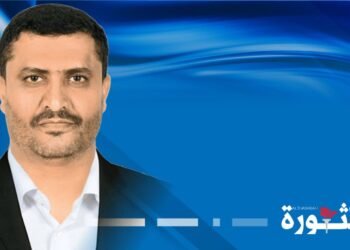
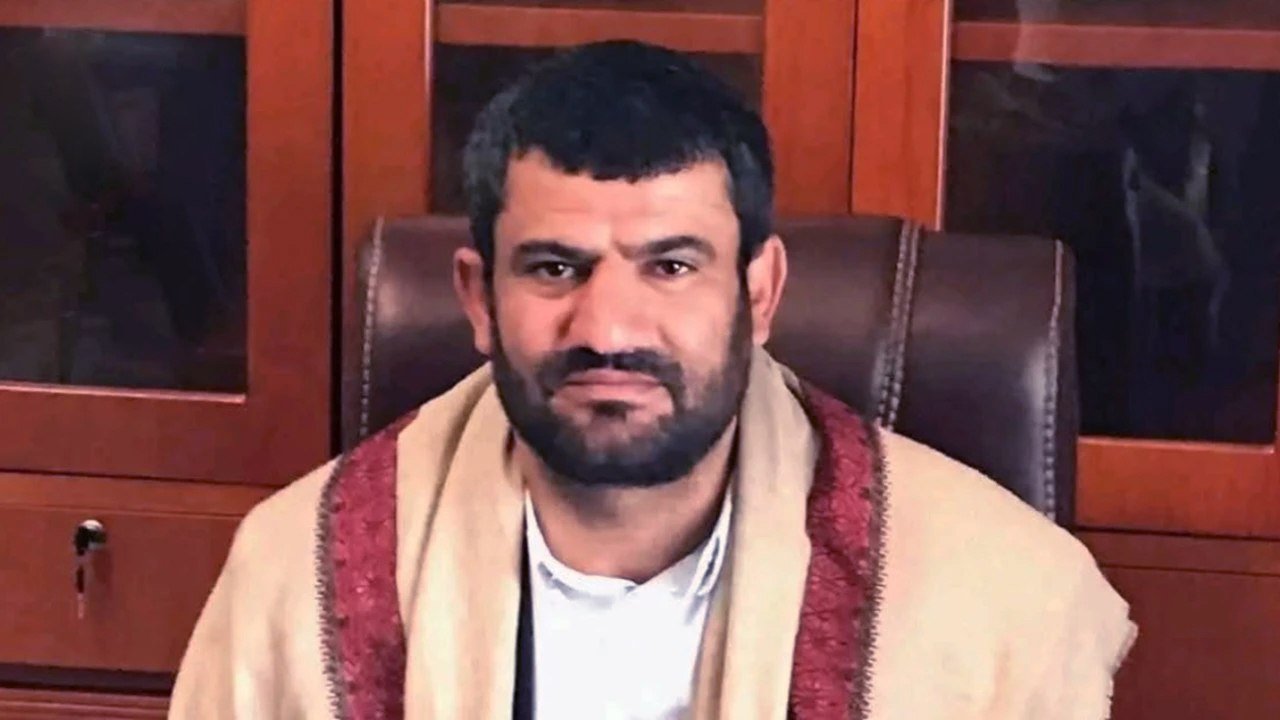
The head of the Committee for Addressing Prison and Prisoner Issues assigned by the Leader of the Revolution and Head of the Supreme Political Council, Ali Qarsha, announced the start of work this week to address the issues of the indigent and the rights of the Saada Governorate Correctional Facility.
In a statement to the Yemeni News Agency (Saba), Qarsha called on the victims to attend and cooperate with the committee in a way that contributes to the settlement of humanitarian issues and the release of those who deserve it.
He explained that the committee will begin studying and processing the files of the insolvent and work to pay whatever financial obligations possible according to the available capabilities, and within the framework of efforts aimed at alleviating the suffering of prisoners whose financial circumstances prevented them from ending their cases and going out to their families.
He urged victims and rights holders to come to the correctional facility and cooperate in a spirit of responsibility and tolerance, stressing that understanding and cooperation between the parties represent an essential factor in the success of reconciliation efforts and settling outstanding issues.
He also called on members of the House of Representatives, sheikhs, social figures, tribal dignitaries, and everyone who has influence in society to be present alongside the team entrusted with the task, and to contribute to addressing issues of murder and private rights, in a way that enhances reconciliation and reform efforts and serves the public interest.
The head of the Committee for Addressing Prison and Prisoner Issues explained that this step comes as part of field movements carried out by the Committee in a number of governorates to address the conditions of prisoners and indigent persons, after its success during the last period in settling a number of files and releasing hundreds of prisoners in coordination with judicial and security authorities, philanthropists, and community actors.
He considered addressing the issues of prisoners and insolvent people a shared humanitarian and societal responsibility, requiring the combined efforts of everyone, including official institutions, social leaders, and philanthropists, in a way that contributes to alleviating distress, reuniting families, and promoting the values of solidarity and reform in society.