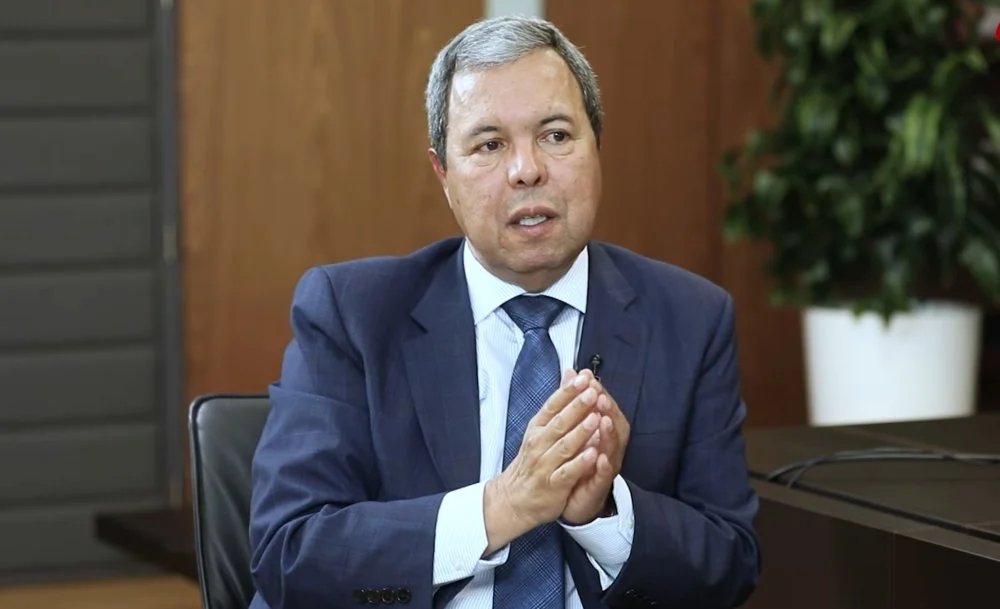
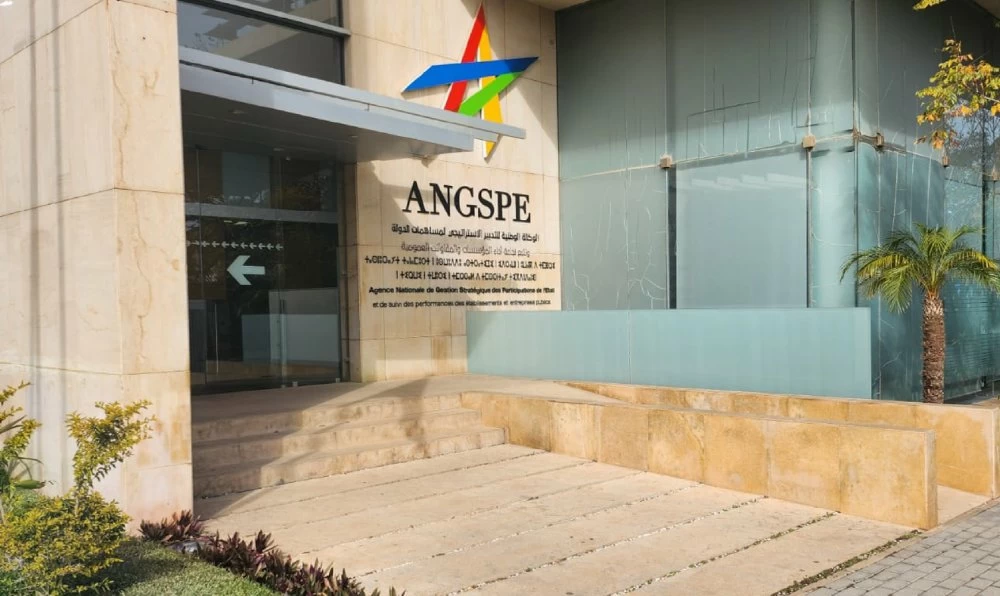
The major reform of the public commercial sector in Morocco is no longer a distant promise, it has fully entered a phase of intensive execution. Guest on the set of the show “Nabd Al 3omk”, Abdellatif Zaghnoungeneral director of the National Agency for the Strategic Management of State Holdings (ANGSPE), wanted to immediately dispel a stubborn misunderstanding which pollutes the public debate. For him, assimilating the restructuring of public establishments and enterprises (EEP) to an antechamber of privatization or to an admission of bankruptcy is a profound misreading. “The majority of these institutions were created with a public service mission,” he forcefully recalls, insisting on the fact that the economic model of the shareholder State must reinvent itself not to liquidate its assets, but to guarantee their viability in the face of an increasingly changing international situation.
The truths of the State on the cost of social
To illustrate this subtle balance between commercial profitability and social utility, Mr. Zaghnoun undertook an unprecedented exercise of transparency on the ultra-sensitive case of the National Office of Electricity and Drinking Water (ONEE). Referring to recurring criticisms of the financial health of the establishment, he revealed the dizzying figures of a national effort invisible to consumers. “Let’s take the case of this Office which everyone says is going through difficulties: the overall rural electrification program alone required an investment of more than 25 billion dirhams,” revealed Abdellatif Zaghnoun, specifying that these were investments that were structurally unprofitable in the short term, but essential for opening up the country.
Pushing the clarification further, he lifted the veil on the electricity pricing policywhich has remained unchanged for several years to preserve the purchasing power of households, despite the explosion in world prices for coal and fuel oil. According to him, “the State requires the Office not to touch pricing”, thus demonstrating that the apparent losses do not reflect poor management, but the financial cost of the social shield directly assumed by the public operator. This same logic prevails for the Société des Autoroutes du Maroc (ADM) whose axes linking Oujda or Béni Mellal, although loss-making at their launch, were built to create employment areas and attract industrial investment in the regions.
End of accounting opacity and revolution of performance contracts
To transform the governance of this strategic portfolio of 57 public giants, ANGSPE deploys a roadmap focused on rigor modeled on private sector standards. Last year marked a historic turning point with the entry into force, on January 1, 2025, of the very first State shareholder policya framing text which finally establishes the role and long-term positioning of the investing state. In terms of transparency, the Agency carried out a real shock audit by succeeding in consolidating and standardizing the financial data of a formerly fragmented sector. “It is an extremely complex exercise but we have succeeded in establishing the consolidated accounts for 2022 and 2023, and we have just finalized those for 2024, which are currently being certified,” announced the general director.
Nador West Med and TGV: the schedule for major projects is accelerating
In the final analysis, this managerial change and these projects costing billions will only be valuable through their ability to place humans at the center of the chessboard. For Abdellatif Zaghnoun, the success of this historic overhaul will depend neither on decrees nor on accounting balances alone, but on a “spirit of responsibility and a high patriotic sense” shared by all decision-makers and employees. By forcefully recalling that the ultimate goal of the State shareholder goes beyond cold financial logic to aim for “the development and well-being of citizens”, the boss of ANGSPE imposes a real ethical charter for public bosses. The message is clear: the Kingdom’s economic behemoths must no longer just be efficient, they must be exemplary. THE Moroccan public sector thus begins its cultural revolution, with the firm intention of proving that commercial agility also knows how to serve the common good.