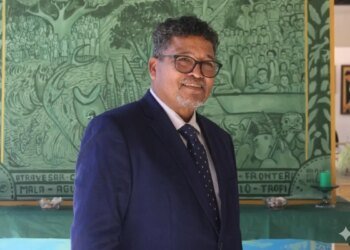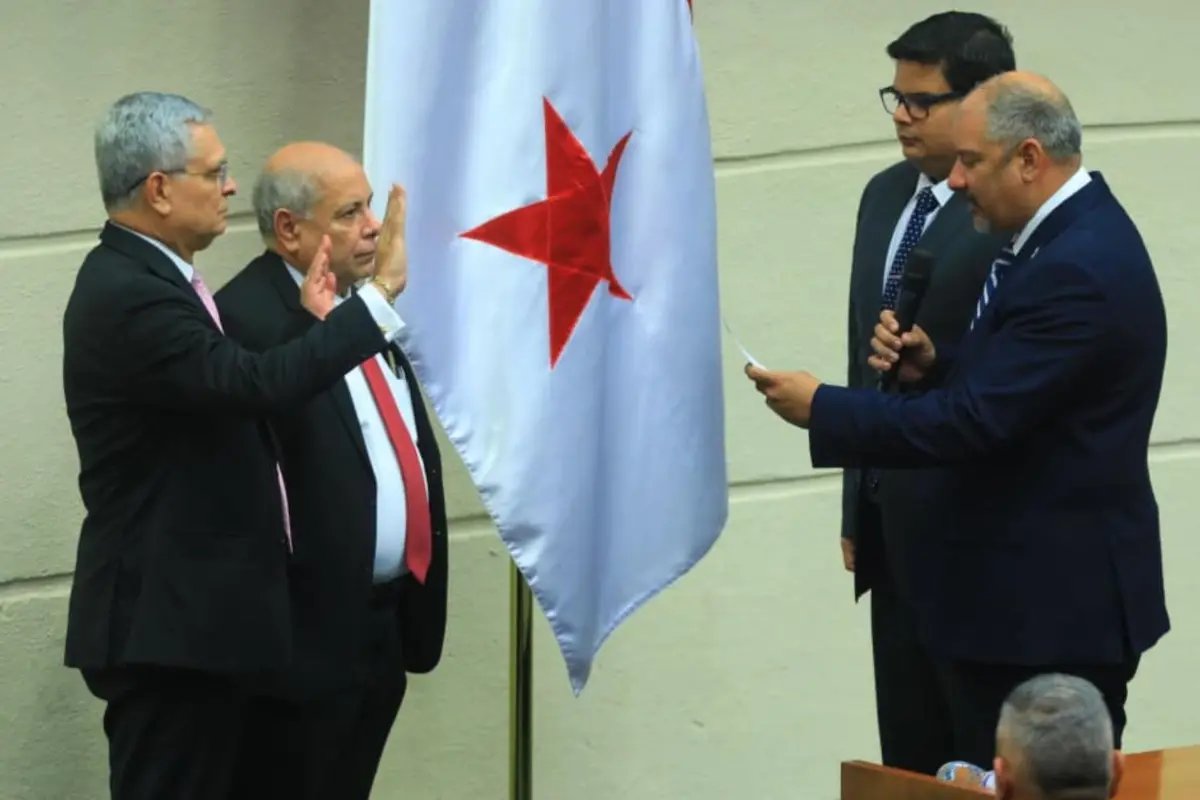
The plenary session of the National Assembly selected Jaime Barroso to replace Alfredo Juncá as magistrate of the Electoral Tribunal. Barroso obtained 52 votes from the different benches.
While Juncá, who was proposed by Representative Grace Hernández to continue in office, obtained 18 votes.
Earlier the National Assembly advances in the election of a new magistrate of the Electoral Court, in a process that puts on the table two visions about the future of electoral institutions in Panama: the continuity of the current management versus the commitment to new profiles.
Hernández, from the Other Path Movement, nominated the re-election of Juncáhighlighting his experience leading recent electoral processes and his role in the modernization of the system. According to him, his management has been characterized by transparency, independence and the incorporation of technological tools.
Hernández maintained that, since his arrival in 2017, the magistrate has contributed to strengthening citizen trust, even in complex contexts such as the pandemic, when – he indicated – the continuity of the electoral function was guaranteed. He also highlighted his participation in reforms and his international projection in terms of democratic governance.
In contrast, the deputy Eliecer Castrellón, second vice president of the National Assembly and member of the Popular Party, presented the candidacy of Jaime Miguel Barroso Pintor, marking a commitment to renewal based on legal and administrative experience.
During his speech, Castrellón stressed that the appointment of a magistrate of the Electoral Tribunal constitutes one of the most delicate responsibilities of the Legislature, as it is a key figure to guarantee electoral legality, the purity of the vote and respect for the popular will.
The second vice president of the Legislature emphasized the need for the decision to be based on criteria of merit, trajectory and capacity, highlighting that Barroso Pinto is a jurist with training in Law and Political Science, with postgraduate studies and experience in the Court of Accounts, where he currently works as a prosecutor.
Castrellón also highlighted the candidate’s Chirican origin and his career built from within the country, although he made it clear that the main argument for his application lies in his professional preparation and knowledge of the functioning of the State.