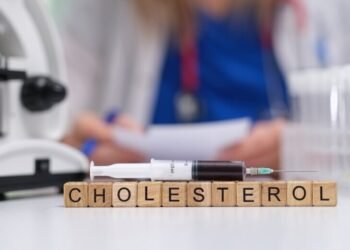
Regular consumption of red meat can increase the level of cholesterol, especially LDL cholesterol, which negatively affects the cardiovascular system.
“Regular consumption of red and processed meat can increase LDL and apoB cholesterol, the types that form plaque and affect overall heart health.
“Population studies consistently show that higher consumption of red meat, especially processed meat, is associated with increased cholesterol, inflammation and a higher risk of heart disease,” explains nutritionist Michelle Routhenstein.
Read on to find out exactly how red meat affects cholesterol, says EatingWell.
May increase LDL cholesterol levels
Many types of red meat are high in saturated fat, a type of fat that can raise cholesterol. High consumption of saturated fat affects how the liver removes cholesterol from the blood, especially LDL cholesterol.
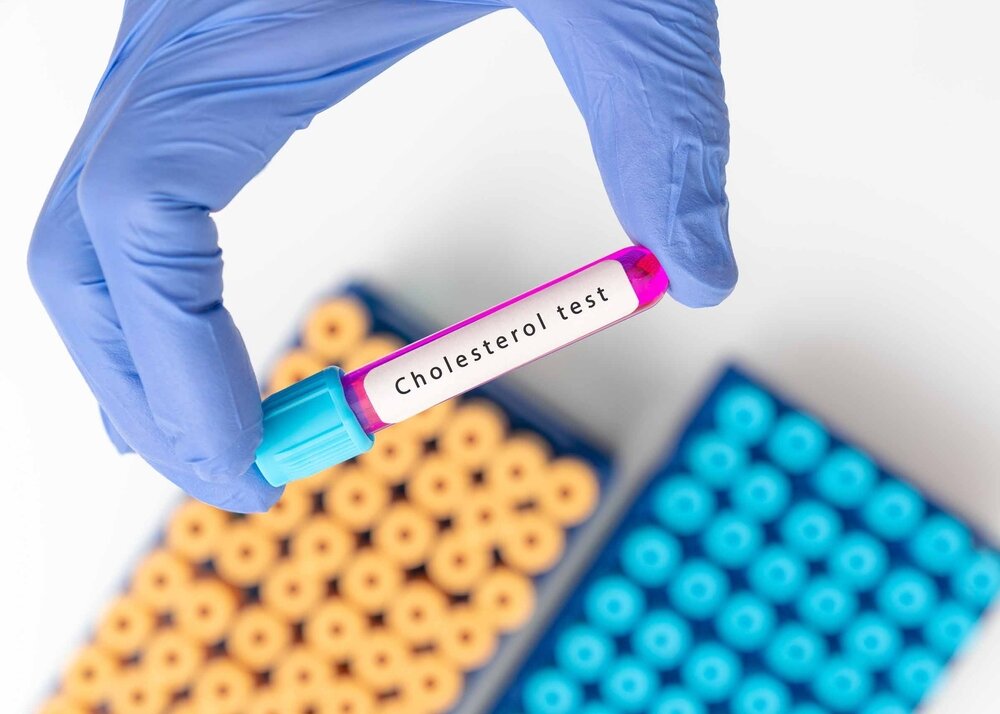
Shutterstock photo/Cholesterol
“Saturated fat interferes with LDL removal by reducing the activity of LDL receptors in the liver, reducing the body’s ability to remove LDL particles from the bloodstream. Diets high in red meat can also increase LDL particle counts and apoB levels, which are strong indicators of heart disease risk,” explains Dr. Wenjun Fan.
She emphasizes the importance of maintaining a healthy LDL cholesterol level, as too high levels can damage the cardiovascular system.
“LDL particles carry cholesterol to artery walls, initiating and accelerating plaque formation,” adds W. Fan.
Studies show that higher levels of LDL cholesterol (≥ 130 mg/dL) are associated with an increased risk of cardiovascular disease.
Processed red meat, such as bacon or salami, carries an additional risk of raising cholesterol. In addition to saturated fat, it is often high in sodium and nitrite preservatives, which can increase blood pressure and damage blood vessels, further promoting plaque buildup.
Can alter the gut microbiome
The gut microbiome plays an important role in overall health, including how the body processes cholesterol. Red meat can alter the intestinal environment in a way that promotes higher cholesterol levels.
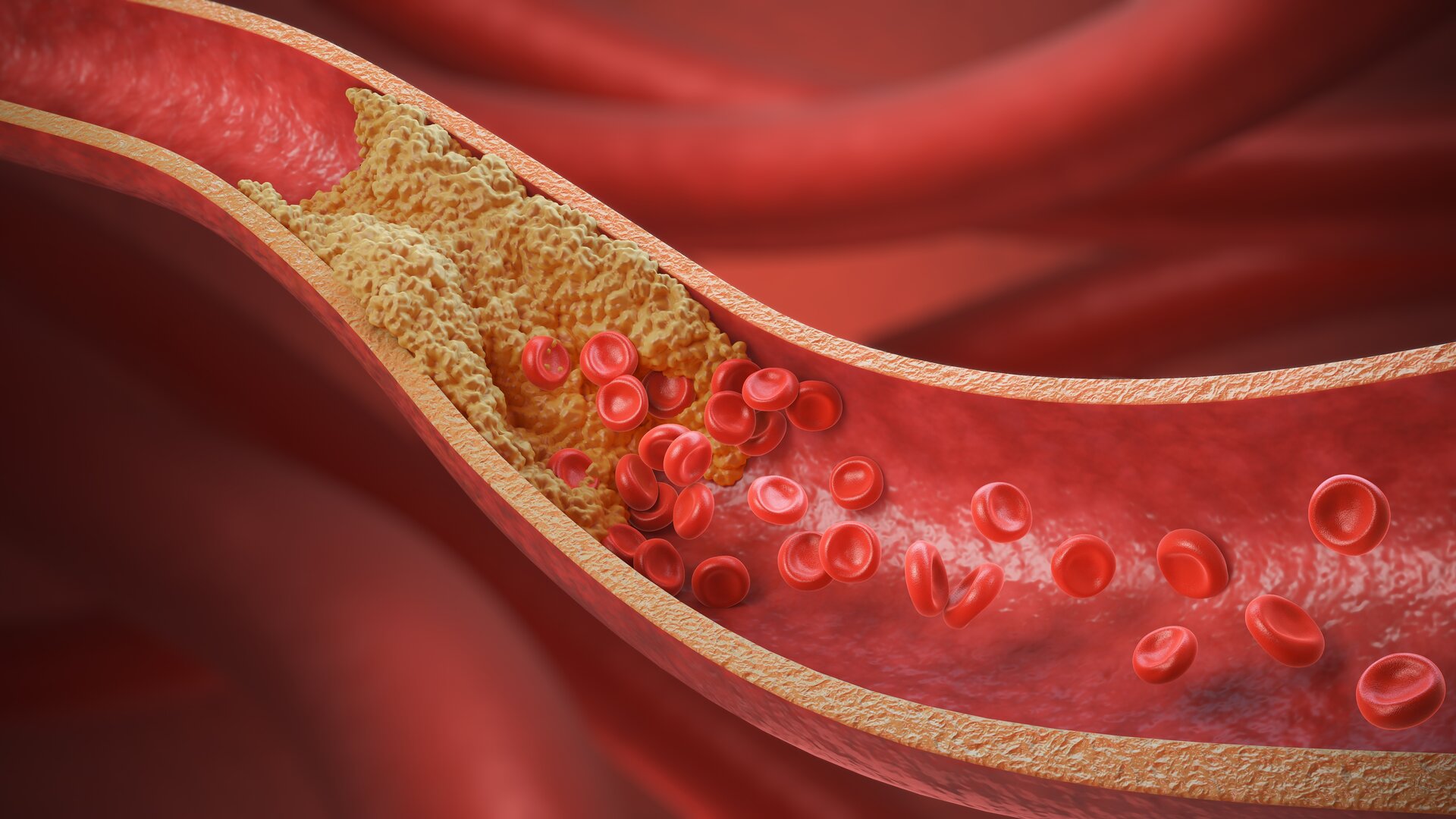
Shutterstock photo/Cholesterol
“Red meat can influence gut bacteria to convert certain nutrients, such as carnitine, into a compound called trimethylamine N-oxide (TMAO). Higher levels of TMAO interfere with cholesterol transport and are associated with stiffer arteries, which is another way red meat can affect the heart and blood vessels,” says Routhenstein.
Studies also show that elevated TMAO levels are associated with an increased risk of heart disease, including heart failure. For this reason, researchers consider TMAO to be a potential early marker of cardiovascular risk.
Genetics affect cholesterol absorption
It is important to understand that dietary cholesterol and blood cholesterol are not the same thing. Although diet can affect blood cholesterol, the relationship is not direct.
Genetics play a role in determining how much cholesterol your body absorbs from foods like red meat. Studies show that uptake can range from 29 to 80 percent, depending on genetic differences.
For those who naturally absorb more cholesterol, limiting red meat consumption may be especially important.
Fat content matters
Cardiologist Carl Lavie highlights this variability: “In general, high amounts of fatty meat can raise total and LDL cholesterol, but for people with diabetes, insulin resistance, or high triglycerides, moderate servings of lean red meat instead of refined carbohydrates or sweets may even improve the lipid profile.”
He adds that even a few servings of lean red meat a week, with the fat trimmed, may be more heart-friendly for some people.
When you eat red meat, choose lean cuts and 85-115g portions. Choose products with as little visible fat as possible. For minced meat, choose lean, which contains no more than 15 percent. fat.

Shutterstock photo/Different types of meat
W.Fan highlights the bigger picture: Cholesterol responses to red meat are not uniform. Genetics, chronic diseases, and stage of life determine how diet affects blood lipids, requiring an individualized approach.