Russia ties give Pyongyang more room
North Korea has long been cautious about becoming too dependent on China, its largest neighbour and traditional ally, with which it shares a roughly 1,400-kilometre border. Its growing relationship with Russia now gives Pyongyang an additional source of support and leverage.
John Delury, a senior fellow at the Asia Society, said North Korea appeared to be benefiting economically from what it was providing militarily to Russia.
That, he said, may make Pyongyang more confident about expanding trade and investment with China.
Tourism and economy likely high on agenda
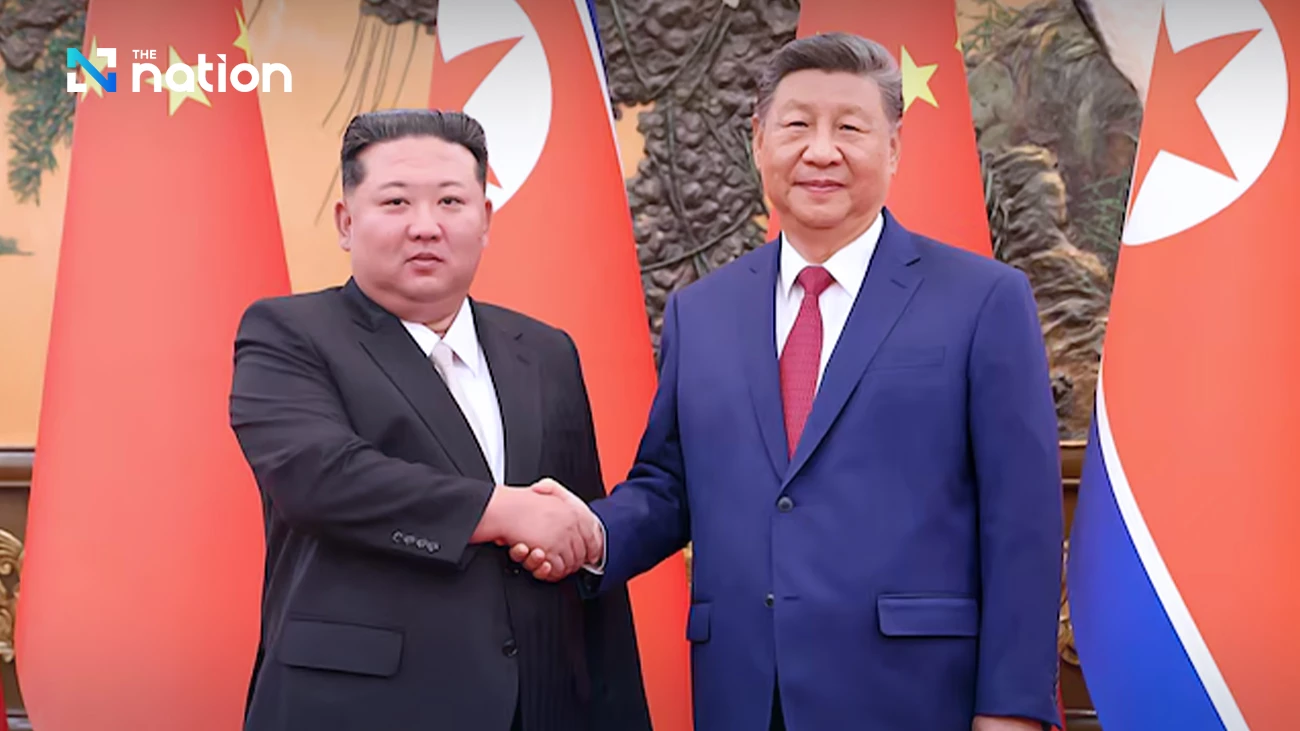
Any concrete outcome from the summit is expected to focus mainly on economic cooperation, according to diplomats and analysts.
North Korea is beginning a new five-year development plan that includes turning tourism into a stronger industry and expanding housing construction.
The country closed its borders to foreign tourists in early 2020 under some of the world’s strictest Covid-19 controls, cutting off a modest but important source of foreign currency. Before the pandemic, Chinese visitors formed the backbone of North Korea’s tourism sector, accounting for the overwhelming majority of foreign tourists. Reuters reported that the first known post-pandemic leisure tourists allowed back were a group from Russia’s Far East in February 2024.
Singapore’s foreign minister, after visiting Pyongyang last month, said North Korea had managed to make economic progress and appeared to have little interest in engagement with the United States or South Korea.
Nuclear red line remains
North Korea has rejected reunification with South Korea, a goal once formally shared by both sides since the Korean War divided the peninsula. South Korean President Lee Jae Myung remains interested in dialogue and has asked Xi to assist efforts to improve inter-Korean relations.
Moon Chung-in, a professor at Yonsei University in Seoul and a former national security adviser, said Seoul hoped Xi could play a mediating role in improving relations between the two Koreas.
However, Kim has made clear that North Korea’s nuclear programme remains a red line. In addition to Sunday’s reaffirmation of its nuclear status, he recently called for an “exponential” expansion of the country’s atomic arsenal.
Yang Moo-jin, president of the University of North Korean Studies in Seoul, said Kim is likely to continue expanding fissile-material production, increasing and deploying nuclear weapons, and stressing the legitimacy of North Korea’s nuclear deterrent.
Christopher Green, a Korea specialist at Leiden University in the Netherlands, said Kim had become emboldened.
He said Pyongyang appeared confident that Beijing would not try to stop North Korea’s nuclear expansion as long as Kim avoided outright regional instability.
Source: Reuters