Monday, September 21, 2026
    The GeoStrategic Consensus
    No Result
    View All Result
    • Login
    • HOME
    • AMERICAS
      • Argentina
      • Brazil
      • Canada
      • Chile
      • Colombia
      • Costa Rica
      • Cuba
      • Dominican Republic
      • Ecuador
      • El Salvador
      • Greenland
      • Guatemala
      • Honduras
      • Mexico
      • Nicaragua
      • Panama
      • Paraguay
      • Peru
      • United States
      • Uruguay
      • Venezuela
    • ASIA-PACIFIC
      • Australia
      • Brunei Darussalam
      • Cambodia
      • China
      • Federated States of Micronesia
      • Fiji
      • Indonesia
      • Japan
      • Kiribati
      • Laos
      • Malaysia
      • Marshall Islands
      • Mongolia
      • Myanmar
      • Nauru
      • New Zealand
      • North Korea
      • Palau
      • Papua New Guinea
      • Philippines
      • Samoa
      • Singapore
      • Solomon Islands
      • South Korea
      • Taiwan
      • Thailand
      • Timor-Leste
      • Tonga
      • Tuvalu
      • Vanuatu
      • Vietnam
    • CARICOM
      • CARICOM – Non-English
        • Haiti
        • Suriname
      • CARICOM Associates
        • Anguilla
        • Bermuda
        • British-Virgin-Islands
        • Cayman-Islands
        • Curacao
        • Turks-and-Caicos
      • CARICOM English
        • Antigua and Barbuda
        • Barbados
        • Belize
        • Dominica
        • Grenada
        • Guyana
        • Jamaica
        • Montserrat
        • Saint Kitts and Nevis
        • Saint Lucia
        • Saint Vincent and the Grenadines
        • The Bahamas
        • Trinidad and Tobago
    • EURASIA
      • Armenia
      • Azerbaijan
      • Balarus
      • Georgia
      • Kazakhstan
      • Kyrgyzstan
      • Moldova
      • Russia
      • Tajikistan
      • Turkmenistan
      • Ukraine
      • Uzbekistan
    • EUROPE
      • Albania
      • Andorra
      • Austria
      • Bosnia and Herzegovina
      • Bulgaria
      • Croatia
      • Cyprus
      • Czech Republic
      • Denmark
      • Estonia
      • Finland
      • France
      • Germany
      • Greece
      • Holy See
      • Hungary
      • Iceland
      • Ireland
      • Italy
      • Kosovo
      • Latvia
      • Liechtenstein
      • Lithuania
      • Luxembourg
      • Malta
      • Monaco
      • Montenegro
      • Netherlands
      • North Macedonia
      • Norway
      • Poland
      • Portugal
      • Romania
      • San Marino
      • Serbia
      • Slovakia
      • Slovenia
      • Spain
      • Sweden
      • Switzerland
      • United Kingdom
    • MIDDLE EAST AND NORTH AFRICA
      • Algeria
      • Bahrain
      • Egypt
      • Iran
      • Iraq
      • Israel
      • Jordan
      • Kuwait
      • Lebanon
      • Lybia
      • Morocco
      • Oman
      • Palestinian Territories
      • Qatar
      • Saudi Arabia
      • Syria
      • Tunisia
      • Turkey
      • United Arab Emirates
      • Western Sahara
      • Yemen
    • SOUTH ASIA
      • Afghanistan
      • Bangladesh
      • Bhutan
      • India
      • Maldives
      • Nepal
      • Pakistan
      • Sri Lanka
    • SUB-SAHARAN AFRICA
      • Angola
      • Benin
      • Botswana
      • Burkina Faso
      • Burundi
      • Cabo Verde
      • Cameroon
      • Central African Republic
      • Chad
      • Comoros
      • Cote d’Ivoire
      • Democratic Republic of the Congo
      • Djibouti
      • Equatorial Guinea
      • Eritrea
      • Eswatini
      • Ethiopia
      • Gabon
      • Gambia
      • Ghana
      • Guinea
      • Guinea Bissau
      • Kenya
      • Lesotho
      • Liberia
      • Madagascar
      • Malawi
      • Mali
      • Mauritania
      • Mauritius
      • Mozambique
      • Namibia
      • Niger
      • Nigeria
      • Republic of the Congo
      • Rwanda
      • Sao Tome and Principe
      • Senegal
      • Seychelles
      • Sierra Leone
      • Somalia
      • South Africa
      • South Sudan
      • Sudan
      • Tanzania
      • Togo
      • Uganda
      • Zambia
      • Zimbabwe
    • HOME
    • AMERICAS
      • Argentina
      • Brazil
      • Canada
      • Chile
      • Colombia
      • Costa Rica
      • Cuba
      • Dominican Republic
      • Ecuador
      • El Salvador
      • Greenland
      • Guatemala
      • Honduras
      • Mexico
      • Nicaragua
      • Panama
      • Paraguay
      • Peru
      • United States
      • Uruguay
      • Venezuela
    • ASIA-PACIFIC
      • Australia
      • Brunei Darussalam
      • Cambodia
      • China
      • Federated States of Micronesia
      • Fiji
      • Indonesia
      • Japan
      • Kiribati
      • Laos
      • Malaysia
      • Marshall Islands
      • Mongolia
      • Myanmar
      • Nauru
      • New Zealand
      • North Korea
      • Palau
      • Papua New Guinea
      • Philippines
      • Samoa
      • Singapore
      • Solomon Islands
      • South Korea
      • Taiwan
      • Thailand
      • Timor-Leste
      • Tonga
      • Tuvalu
      • Vanuatu
      • Vietnam
    • CARICOM
      • CARICOM – Non-English
        • Haiti
        • Suriname
      • CARICOM Associates
        • Anguilla
        • Bermuda
        • British-Virgin-Islands
        • Cayman-Islands
        • Curacao
        • Turks-and-Caicos
      • CARICOM English
        • Antigua and Barbuda
        • Barbados
        • Belize
        • Dominica
        • Grenada
        • Guyana
        • Jamaica
        • Montserrat
        • Saint Kitts and Nevis
        • Saint Lucia
        • Saint Vincent and the Grenadines
        • The Bahamas
        • Trinidad and Tobago
    • EURASIA
      • Armenia
      • Azerbaijan
      • Balarus
      • Georgia
      • Kazakhstan
      • Kyrgyzstan
      • Moldova
      • Russia
      • Tajikistan
      • Turkmenistan
      • Ukraine
      • Uzbekistan
    • EUROPE
      • Albania
      • Andorra
      • Austria
      • Bosnia and Herzegovina
      • Bulgaria
      • Croatia
      • Cyprus
      • Czech Republic
      • Denmark
      • Estonia
      • Finland
      • France
      • Germany
      • Greece
      • Holy See
      • Hungary
      • Iceland
      • Ireland
      • Italy
      • Kosovo
      • Latvia
      • Liechtenstein
      • Lithuania
      • Luxembourg
      • Malta
      • Monaco
      • Montenegro
      • Netherlands
      • North Macedonia
      • Norway
      • Poland
      • Portugal
      • Romania
      • San Marino
      • Serbia
      • Slovakia
      • Slovenia
      • Spain
      • Sweden
      • Switzerland
      • United Kingdom
    • MIDDLE EAST AND NORTH AFRICA
      • Algeria
      • Bahrain
      • Egypt
      • Iran
      • Iraq
      • Israel
      • Jordan
      • Kuwait
      • Lebanon
      • Lybia
      • Morocco
      • Oman
      • Palestinian Territories
      • Qatar
      • Saudi Arabia
      • Syria
      • Tunisia
      • Turkey
      • United Arab Emirates
      • Western Sahara
      • Yemen
    • SOUTH ASIA
      • Afghanistan
      • Bangladesh
      • Bhutan
      • India
      • Maldives
      • Nepal
      • Pakistan
      • Sri Lanka
    • SUB-SAHARAN AFRICA
      • Angola
      • Benin
      • Botswana
      • Burkina Faso
      • Burundi
      • Cabo Verde
      • Cameroon
      • Central African Republic
      • Chad
      • Comoros
      • Cote d’Ivoire
      • Democratic Republic of the Congo
      • Djibouti
      • Equatorial Guinea
      • Eritrea
      • Eswatini
      • Ethiopia
      • Gabon
      • Gambia
      • Ghana
      • Guinea
      • Guinea Bissau
      • Kenya
      • Lesotho
      • Liberia
      • Madagascar
      • Malawi
      • Mali
      • Mauritania
      • Mauritius
      • Mozambique
      • Namibia
      • Niger
      • Nigeria
      • Republic of the Congo
      • Rwanda
      • Sao Tome and Principe
      • Senegal
      • Seychelles
      • Sierra Leone
      • Somalia
      • South Africa
      • South Sudan
      • Sudan
      • Tanzania
      • Togo
      • Uganda
      • Zambia
      • Zimbabwe
    No Result
    View All Result
    Agentially
    No Result
    View All Result
    Home SOUTH ASIA India

    Why scientists are rethinking the chemical ‘arms race’ against fungi

    The Analyst by The Analyst
    September 21, 2026
    in India
    Why scientists are rethinking the chemical ‘arms race’ against fungi


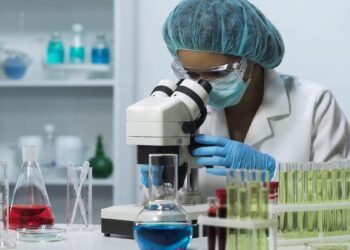
    For a long time, fungal infections have meant itchy skin, discoloured nails and sometimes hair loss.

    READ ALSO

    Why are moths attracted to bright lights?

    India has a research blindspot: its own science system

    These symptoms are collectively called dermatophytosis and are caused by a group of fungi called dermatophytes.

    ‘’Unfortunately, immunocompromised patients can get lesions all over their body. The itchiness and the lesions can get so severe that people even get suicidal thoughts,” said Shivaprakash Rudramurthy, professor of medical mycology at the Postgraduate Institute of Medical Education and Research (PGIMER), Chandigarh.

    Global warming

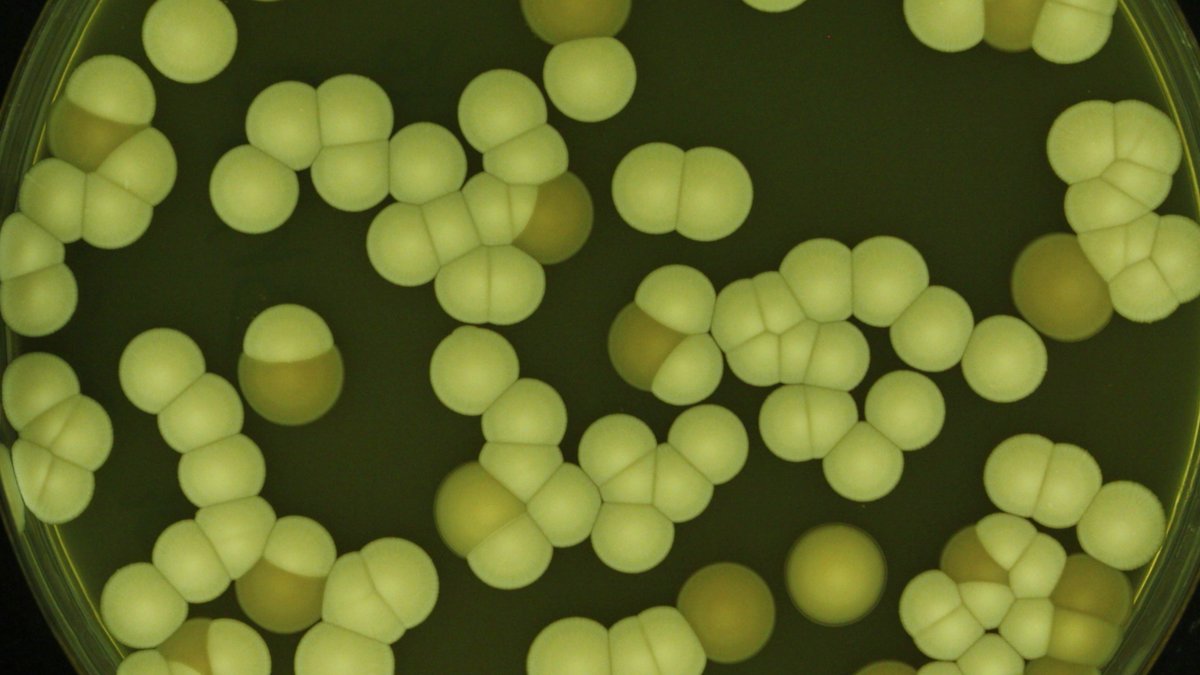
    Dermatophytes are molds: fungi that grow in long strands. The other common category of fungi is yeast, which are single, oval-shaped cells. Among the yeasts, Candida auris is rapidly emerging as a multidrug resistant pathogen in ICU facilities. It enters the blood stream and causes severe infections, most of which are untreatable by the available antifungals. According to Prof. Rudramurthy, those infected suffer a 30-40% mortality rate.

    C. auris has become a menace only in the last two decades. The first report was in 2009 in Japan. Several other fungal species have become more pathogenic only in recent times. The cause of this rise remains unresolved but scientists and medical doctors have some ideas.

    Fungi grow best in damp places below 30° C, so they can grow on our skin, especially in moist areas of the body, like armpits and the genital area. However, bloodstream infections in humans were rare because they could not survive in the body’s 37° C temperature.

    “Fungal infections are common in cold-blooded animals with lower body temperatures,” Sriram Varahan, a mycologist at CSIR-Centre for Cellular and Molecular Biology, Hyderabad, said.

    “But global warming puts a selective pressure on fungi such that only the more heat-tolerant ones survive. These ones can survive inside our bodies too, if they gain access to it. This is called the fungal infection — mammalian selection hypothesis.”

    Clinical samples

    Today, roughly 20% of infections reported in hospitals are fungal in nature — yet most hospitals in India lack the capabilities and infrastructure to identify fungal pathogens, Prof Rudramurthy said.

    This prompted PGIMER to begin storing fungal pathogens some 25 years ago. Today, the institute holds a stock of 15,000 clinical fungal isolates across India and helps other medical centres and clinicians identify and culture them for study, free of cost.

    The C. auris isolates from PGIMER’s repository have come handy for Kaustuv Sanyal and his research associate Aswathy Narayanan, both at the Jawaharlal Nehru Centre for Advanced Scientific Research, Bengaluru. They study how fungal pathogens divide and their genomes evolve.

    In a recent study published in Nature Communications, they characterised the clinical isolates of C. auris found across India. Their focus was the pathogen’s ability to resist antifungals. They were able to establish their findings in patient samples and go beyond earlier studies in model systems.

    “More than 90% clinical isolates of C. auris are resistant to common azole-based antifungals, such as fluconazole,” Prof. Sanyal said. Some “30% of them are resistant to another class of antifungals called the polyenes. They mostly respond to a different class of antifungals called the echinocandins.”

    A drug may not work on a pathogen for many reasons, including the drug’s target becoming mutated or the drug’s effect being negated by the pathogen’s own biomolecules. Dr. Narayanan and her collaborators at the Indian Institute of Science Education and Research, Thiruvananthapuram, found significant changes in drug-resistant C. auris genomes that could explain why Indian clinical isolates were able to resist azoles and echinocandins.

    Susceptibility tests

    A fungal cell has two protective layers surrounding it. The outermost is the cell wall and the inner one is the cell membrane. Azole and polyene antifungals target a fat called ergosterol that is enriched in the cell membrane. Echinocandins target the cell wall.

    “When we grow C. auris isolates in the presence of fluconazole, the pathogen fights back by making extra copies of the Erg 11 gene. This in turn helps in higher production of ergosterol, thereby eliminating the effect of the azole drug,” Dr Narayanan said.

    The study found parts in the C. auris genome where additional copies of the Erg11 gene were present.

    With echinocandin drugs such as caspofungin, the team found mutations in the Fks1 gene that allowed the pathogen to resist the drug’s action. The team also found genetic changes promoting higher tolerance of echinocandins.

    “Fks1 mutations can enable C. auris to survive even caspofungin doses up to 16 ug/ml. That means a patient with such a pathogen will need the drug at a concentration higher than 16 ug/ml,” Prof. Sanyal said. “Today, clinicians would not know that because they test the pathogen’s ability to survive only until 2 µg/mL of caspofungin — as defined by the U.S. Centers for Disease Control and Prevention, and followed globally.”

    The logical thing for clinicians would be to look for mutations like in the Fks1 gene and decide the limits for tests to decide the antifungal dose for patients. But due to associated costs, a more practical way is to increase the limits of susceptibility tests for caspofungin to higher than 16 ug/ml, Prof. Sanyal added.

    C. auris, without any specific gene mutation or gene duplication, still responds to high concentrations of caspofungin in unexpected ways. While the pathogen dies at lower concentrations of the drug, at exceptionally high ones, it survives. This is paradoxical.

    “This is because caspofungin at high doses activates compensatory pathways in the fungus,” Prof. Sanyal explained. “The fungus starts producing chitin, the raw material of the fungal cell wall, in large quantities. Any damage that caspofungin brings about on the cell wall is compensated by the extra chitin production. And thus the cell wall remains intact despite the antifungal.”

    Such examples of paradoxical growth are called the Eagle effect, named for the U.S. pathologist Harry Eagle.

    Beyond the arms race

    The studies underline the importance of clinicians conducting more nuanced susceptibility tests to decide the antifungal doses. They show that fungi are protected from antifungals by genetic mutations as well as by making more copies of protective genes.

    Prof. Sanyal also stressed on the need for a combination of therapies to target cellular compensatory pathways, keeping the major antifungals effective against drug-tolerant species.

    However, Dr. Varahan said he believed scientists and doctors need to think of gentler alternatives: “When we target [a molecule] without which an organism cannot live at all, evolution ensures that its population survives with a changed molecule. So instead of participating in an arms race, it is perhaps better to target the less critical molecular pathways, inhibition of which will allow the pathogen to still survive but not cause a disease.”

    It seems the idea of dousing fungal pathogens with antifungals is nearing its end. The next-generation of antifungals will need more planning.

    Somdatta Karak heads science communication at CSIR-CCMB.


    Source link

    Related Posts

    Why are moths attracted to bright lights?
    India

    Why are moths attracted to bright lights?

    September 21, 2026
    India has a research blindspot: its own science system
    India

    India has a research blindspot: its own science system

    September 21, 2026
    Rattlesnake blood could reinvent the fight against deadly venoms
    India

    Rattlesnake blood could reinvent the fight against deadly venoms

    September 20, 2026
    Why Meta’s Zuckerberg rebuffed Dario Amodei’s AI slowdown calls
    India

    Why Meta’s Zuckerberg rebuffed Dario Amodei’s AI slowdown calls

    September 20, 2026
    AI doomsday debate: What are AI researchers and critics afraid of?
    India

    AI doomsday debate: What are AI researchers and critics afraid of?

    September 20, 2026
    Weapons in orbit are forcing old space laws into new struggles for power
    India

    Weapons in orbit are forcing old space laws into new struggles for power

    September 20, 2026
    Next Post
    Minister of Culture and Arts participated in the traditional festival of black pines in Kapisa

    Minister of Culture and Arts participated in the traditional festival of black pines in Kapisa

    POPULAR NEWS

    2026 Regional and International Conventions of Jehovah’s Witnesses

    2026 Regional and International Conventions of Jehovah’s Witnesses

    July 7, 2026
    Thaksin, Yingluck and Paetongtarn meet Indonesian President Prabowo for investment talks

    Thaksin, Yingluck and Paetongtarn meet Indonesian President Prabowo for investment talks

    July 13, 2026
    No deliverance: when gig workers fall prey to road accidents

    No deliverance: when gig workers fall prey to road accidents

    July 25, 2026
    This is how Nicolás Maduro and Cilia Flores reappeared in their hearing

    This is how Nicolás Maduro and Cilia Flores reappeared in their hearing

    July 24, 2026
    India’s imports from China soar to $80 billion in first half of 2026, exports up 37%

    India’s imports from China soar to $80 billion in first half of 2026, exports up 37%

    July 16, 2026

    EDITOR'S PICK

    Depression, PTSD, substance abuse: Kashmir study reveals the psychological impact of a pellet gun wound

    Depression, PTSD, substance abuse: Kashmir study reveals the psychological impact of a pellet gun wound

    July 30, 2026
    Between prayers and a minute of silence, a seismic double was remembered

    Between prayers and a minute of silence, a seismic double was remembered

    July 25, 2026

    State Department Extends Visa Ban on Abbas, Other Palestinian Officials

    September 16, 2026
    Opinion | Is Private AI Regulation Constitutional?

    Opinion | Is Private AI Regulation Constitutional?

    July 10, 2026

    Recent Posts

    • Swiss lawmakers grill defence minister over botched F-35 deal
    • The new urban plan of Andorra la Vella protects the green area of ​​the Central Park
    • Nuvolari Grand Prix, after moving to San Marino, Vesco and Salvinelli triumph
    • Idriz Rrecaj’s son: It is unfair that his murder is linked to SHIK, we have no other culprit besides Serbia

      © 2026 Agentially - Navigating shifting sovereignties and global risk .

      Welcome Back!

      Login to your account below

      Forgotten Password?

      Retrieve your password

      Please enter your username or email address to reset your password.

      Log In
      No Result
      View All Result
      • HOME
      • AMERICAS
        • Argentina
        • Brazil
        • Canada
        • Chile
        • Colombia
        • Costa Rica
        • Cuba
        • Dominican Republic
        • Ecuador
        • El Salvador
        • Greenland
        • Guatemala
        • Honduras
        • Mexico
        • Nicaragua
        • Panama
        • Paraguay
        • Peru
        • United States
        • Uruguay
        • Venezuela
      • ASIA-PACIFIC
        • Australia
        • Brunei Darussalam
        • Cambodia
        • China
        • Federated States of Micronesia
        • Fiji
        • Indonesia
        • Japan
        • Kiribati
        • Laos
        • Malaysia
        • Marshall Islands
        • Mongolia
        • Myanmar
        • Nauru
        • New Zealand
        • North Korea
        • Palau
        • Papua New Guinea
        • Philippines
        • Samoa
        • Singapore
        • Solomon Islands
        • South Korea
        • Taiwan
        • Thailand
        • Timor-Leste
        • Tonga
        • Tuvalu
        • Vanuatu
        • Vietnam
      • CARICOM
        • CARICOM – Non-English
          • Haiti
          • Suriname
        • CARICOM Associates
          • Anguilla
          • Bermuda
          • British-Virgin-Islands
          • Cayman-Islands
          • Curacao
          • Turks-and-Caicos
        • CARICOM English
          • Antigua and Barbuda
          • Barbados
          • Belize
          • Dominica
          • Grenada
          • Guyana
          • Jamaica
          • Montserrat
          • Saint Kitts and Nevis
          • Saint Lucia
          • Saint Vincent and the Grenadines
          • The Bahamas
          • Trinidad and Tobago
      • EURASIA
        • Armenia
        • Azerbaijan
        • Balarus
        • Georgia
        • Kazakhstan
        • Kyrgyzstan
        • Moldova
        • Russia
        • Tajikistan
        • Turkmenistan
        • Ukraine
        • Uzbekistan
      • EUROPE
        • Albania
        • Andorra
        • Austria
        • Bosnia and Herzegovina
        • Bulgaria
        • Croatia
        • Cyprus
        • Czech Republic
        • Denmark
        • Estonia
        • Finland
        • France
        • Germany
        • Greece
        • Holy See
        • Hungary
        • Iceland
        • Ireland
        • Italy
        • Kosovo
        • Latvia
        • Liechtenstein
        • Lithuania
        • Luxembourg
        • Malta
        • Monaco
        • Montenegro
        • Netherlands
        • North Macedonia
        • Norway
        • Poland
        • Portugal
        • Romania
        • San Marino
        • Serbia
        • Slovakia
        • Slovenia
        • Spain
        • Sweden
        • Switzerland
        • United Kingdom
      • MIDDLE EAST AND NORTH AFRICA
        • Algeria
        • Bahrain
        • Egypt
        • Iran
        • Iraq
        • Israel
        • Jordan
        • Kuwait
        • Lebanon
        • Lybia
        • Morocco
        • Oman
        • Palestinian Territories
        • Qatar
        • Saudi Arabia
        • Syria
        • Tunisia
        • Turkey
        • United Arab Emirates
        • Western Sahara
        • Yemen
      • SOUTH ASIA
        • Afghanistan
        • Bangladesh
        • Bhutan
        • India
        • Maldives
        • Nepal
        • Pakistan
        • Sri Lanka
      • SUB-SAHARAN AFRICA
        • Angola
        • Benin
        • Botswana
        • Burkina Faso
        • Burundi
        • Cabo Verde
        • Cameroon
        • Central African Republic
        • Chad
        • Comoros
        • Cote d’Ivoire
        • Democratic Republic of the Congo
        • Djibouti
        • Equatorial Guinea
        • Eritrea
        • Eswatini
        • Ethiopia
        • Gabon
        • Gambia
        • Ghana
        • Guinea
        • Guinea Bissau
        • Kenya
        • Lesotho
        • Liberia
        • Madagascar
        • Malawi
        • Mali
        • Mauritania
        • Mauritius
        • Mozambique
        • Namibia
        • Niger
        • Nigeria
        • Republic of the Congo
        • Rwanda
        • Sao Tome and Principe
        • Senegal
        • Seychelles
        • Sierra Leone
        • Somalia
        • South Africa
        • South Sudan
        • Sudan
        • Tanzania
        • Togo
        • Uganda
        • Zambia
        • Zimbabwe

      © 2026 Agentially - Navigating shifting sovereignties and global risk .

      This website uses cookies. By continuing to use this website you are giving consent to cookies being used. Visit our Privacy and Cookie Policy.