By Klementin Mile
Does protest remain that which no longer proves anything?
A student protest starts with a demand for education.
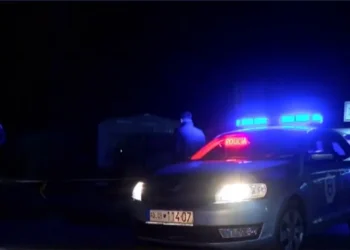
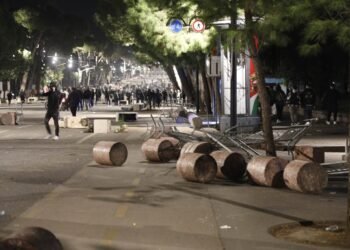
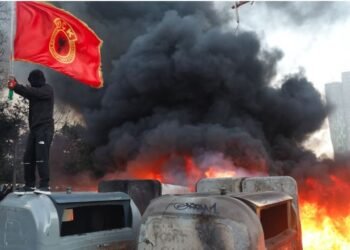
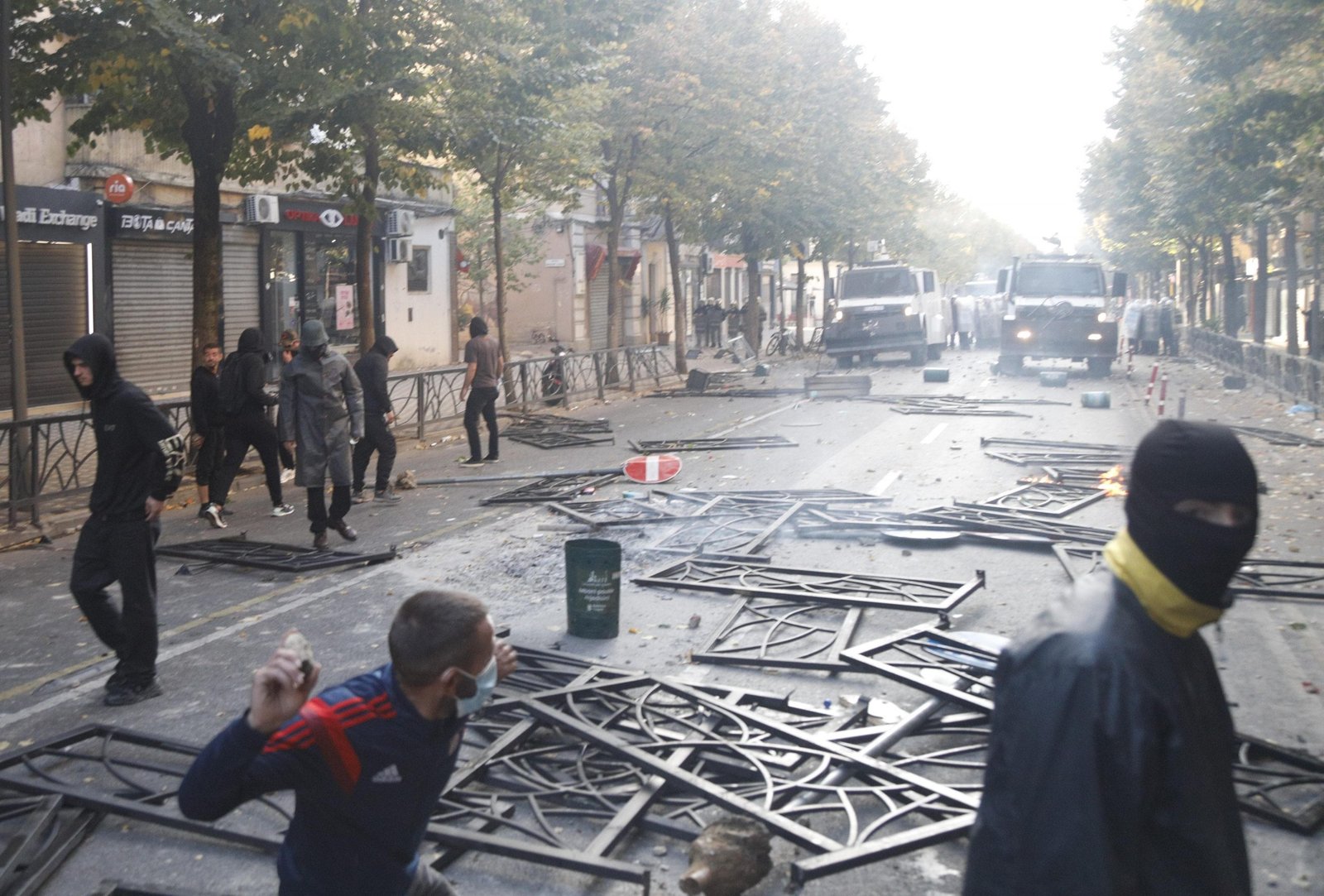
Then, in front of the Ministry of Education, stones, flares, broken windows and the police appear.
At that moment the conflict changes nature.
The building is no longer the place where students should be heard, but becomes a symbol. For the protesters, an institution that must be forced to react; for the state, order that must be protected.
The term ‘protest’ comes from the Latin protestari, ‘to testify openly’.
The protest, therefore, is a testimony, not a blow.
A broken glass proves nothing about education; it only shows that someone has a stone in their hand.
Students have the right to demand better conditions and real opportunities for the future. But no cause turns damage to public property into a political argument.
John Locke defines the state of war as the use of force without right, and peace as the state where force is used only with right.
And he further writes that the right to resist authority does not exist, where you can turn to the law.
But this only applies if the law really listens.
Because civil society, according to Locke, is distinguished from the state of nature because it has a common judge with authority.
The state, therefore, is not a wall with glass, but one that must listen and judge.
What happens when this judge doesn’t listen?
The police can empty the yard of the ministry, but not the society from discontent.
Protesters can break windows, but that doesn’t give them the right to decide on education.
Building control is not a solution; its damage is not victory.
The state that sees only the stones risks not seeing the anger.
The protest that sees only the building risks losing the request.
Both sides have forgotten that the institution is not measured by the wall it protects, but by the problem it solves.
Stones prove nothing.
They only prove that no one is listening.