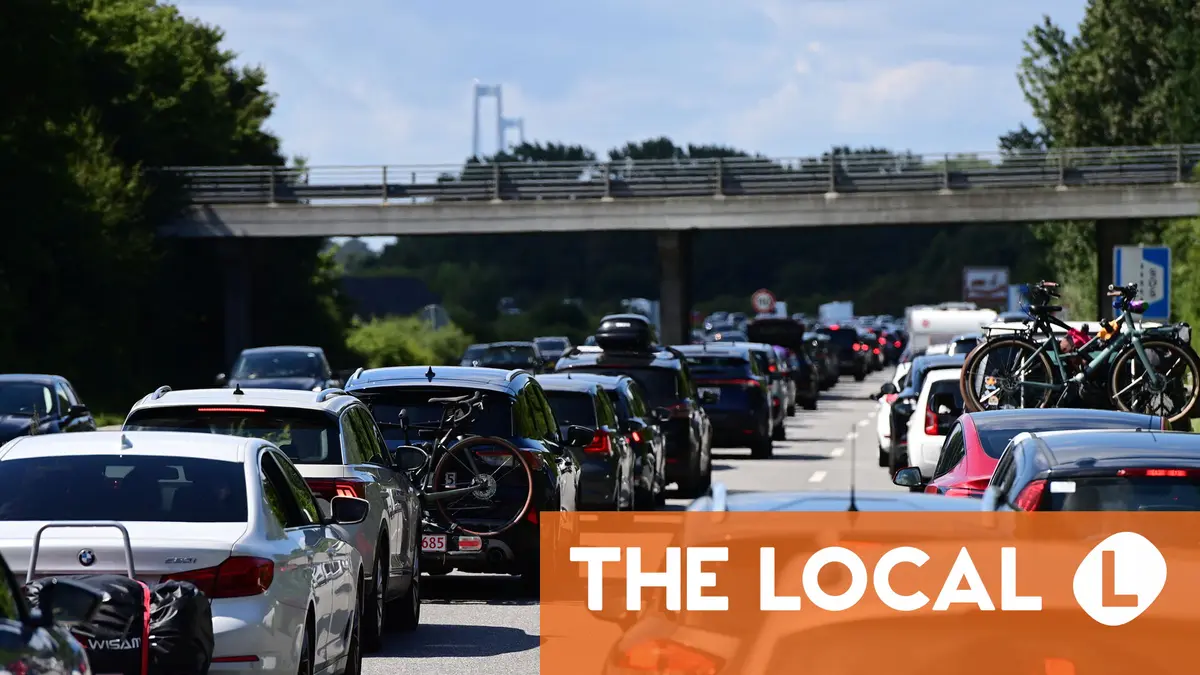
Denmark has a good record on road safety, but accidents still happen. What steps do you need to take if you are involved in one, and does it make a difference if you are driving a foreign-registered vehicle?
Data from the Danish Roads Directorate show that the number of fatal road traffic accidents and injuries in traffic accidents fell in 2023 compared to the average from the preceding five years.
There were some 13,638 accidents last year, according to the directorate. Of these, 11,200 caused material damage only.
If you are in a minor accident in which the damage is material, what should you record, who should you contact and what else do you need to be aware of?
Insurance and assistance
According to two police guidelinesminor accidents including parking collisions can be handled without police help if there are no injuries or damage to third-party property. In such cases, you should give your name and the vehicle registration number to the other party, and take the same details from them.
If you have driven into a road sign, you should call the local municipality. If you run over a wild animal, you should call the roadside assistance company Falckwho can remove it from the road. This is done at no cost for car drivers. This can also apply if you have hit a dog or a cat, but in these cases the police also advise contacting the owner if possible.
If you need acute help from the police – for example, if there has been an injury or a fire breaks out – call the 112 emergency number. For non-emergency help, you can call 114 or visit a police station.
When speaking to the police about an accident, you should be able to provide your name, date of birth, CPR (personal registration) number (if a Denmark resident), address and an email address. You should also be able to give your insurance company and policy number.
When calling from the scene of an accident or at a later time, try to have the time and as precise a location as possible for the incident.
Police are also likely to ask for details such as a description of what has happened, if anyone is hurt, if it is causing a traffic disruption, whether major traffic laws may have been broken and whether you suspect other drivers to be under the influence of alcohol.
If the police consider the situation to be one in which their assistance is needed acutely, a patrol will be dispatched. If they do not consider this to be necessary – for example, if there are no traffic disruptions or injuries and no laws appear to have been broken – they will still provide guidance over the phone. This guidance can also be provided if there is a disagreement between motorists about what has happened, according to the police guidelines.
When should the police be called?
Drivers’ association FDM advised that police should be called if “not insignificant” injuries have occurred. If you call an ambulance to a road accident, the police will generally also attend.
Police should also be called if one or more of the cars involved is registered outside of Denmark, according to FDM. As such, if you are driving a non-Danish registered car, it is advisable to call the police even if any damage is superficial.
Other situations in which the police should be called are in cases of damage likely to cost around DKK 50,000 or more, if you do not know who owns any damaged property, or if a driver of an involved vehicle leaves the scene without exchanging their details.
What else should I do?
Activate the hazard warning lights on your car and, if appropriate, place a hazard triangle in the road ahead of the stopped car or cars (all vehicles should be equipped with a high-visibility triangle).
You should not attempt to move vehicles if there has been a serious injury – unless not moving them would put others in direct danger.
If damage is minor, you should move the vehicles to the side of the road and remove broken glass or other objects as far as possible, and cover leaked oil with sand if you can.
In addition to exchanging names and registration numbers, you should also, ideally, take note of other drivers’ addresses, telephone numbers and insurance companies and policy details (if they know them). If the driver of the car is not the owner, take down the owner’s details too.
It’s also a good idea to get the contact details and registration numbers of witnesses, as well as to take photos of the situation and any damage to vehicles.
Keep in mind that there is no need to determine fault or get into a discussion about this at the scene of the accident. This will be determined by the relevant insurance companies based on the descriptions provided to them. Insurance companies do not take the opinions of the drivers into account when making their assessments, FDM states.
When you contact the insurance company to report the accident, you should give a factual account of what you saw happen – do not include the views of others whom you may have spoken to. FDM writes that it can be a good idea to wait until the following day, when any initial shock might have subsided, before contacting your insurance company.