As of Wednesday, negotiations to form Denmark’s new government have been going on for 43 days, one day longer than the 42-day record set after the 2022 election. What’s the status of negotiations?
Social Democrat leader Mette Frederiksen in 2022, announced a new government 42 days after the election on November 1st, and then took office as PM two days later, 44 days after the election had taken place. That was the so-called SVM government consisting of the Social Democrats, Liberals and Moderates.
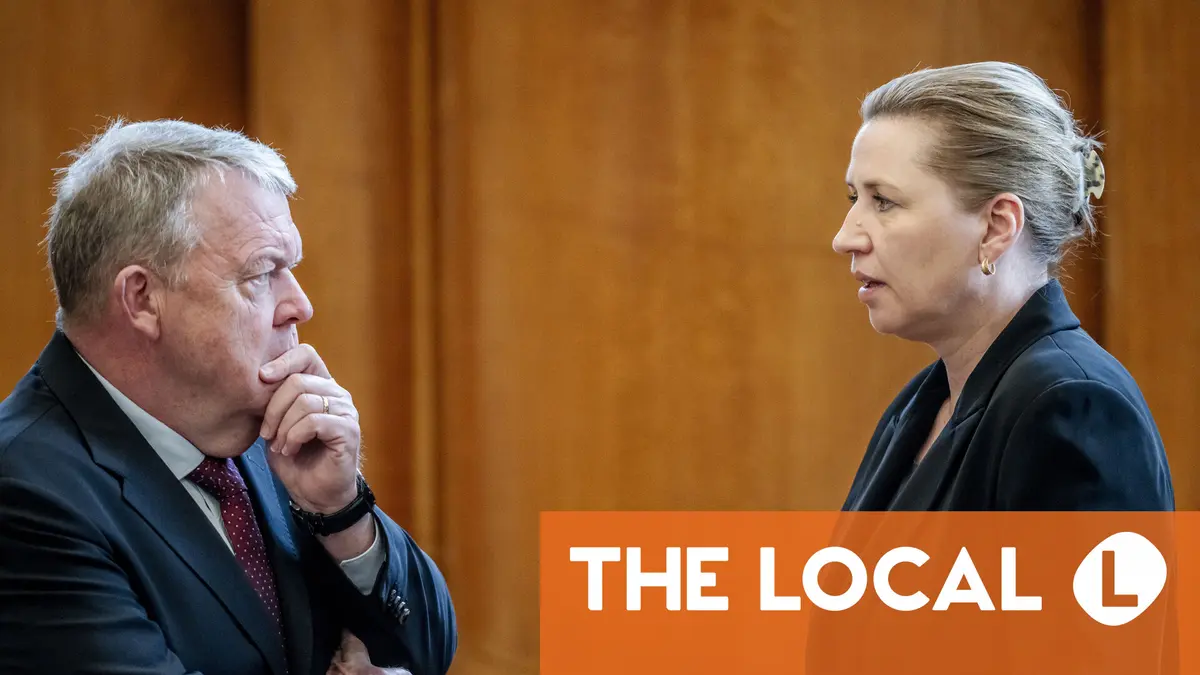
On Monday and Tuesday this week the Moderate Party visited Frederiksen for negotiations at the Prime Minister’s official residence, Marienborg.
Frederiksen is also negotiating with the parties in the left-wing ‘red bloc’, with the aim of forming a government made up of the Social Democrats, Green Left, Moderates and the Social Liberals, with the support of the Alternative and the Red-Green Alliance.
Frederiksen, who led negotiations in 2022, was also leading negotiations after the 2019 election, where it took 22 days to form a new government.
The Moderates left negotiations on Tuesday after more than seven hours of negotiations. Moderate leader Lars Løkke Rasmussen has made no comments to press on his way in or out of recent negotiations.
The two parties also spent seven hours in negotiations on Friday last week.
The Liberals and the Conservatives, two of the right wing parties, have also attended a few negotiation meetings after the election. The Conservatives have said they are not interested in negotiating unless a party leader from the right-wing bloc is appointed to lead negotiations, and have said that they do not expect to be invited to further talks.
The Liberals have not completely ruled themselves out, but they have also not been attending negotiations recently.