ndonesia likes to export its image: Pancasila; Bhinneka Tunggal Ika (Unity in Diversity); the world’s largest Muslim democracy, and a moderate one at that. These are the talking points at Davos, at ASEAN summits and at interfaith dialogues, adorned with polished name tags and bottled water.
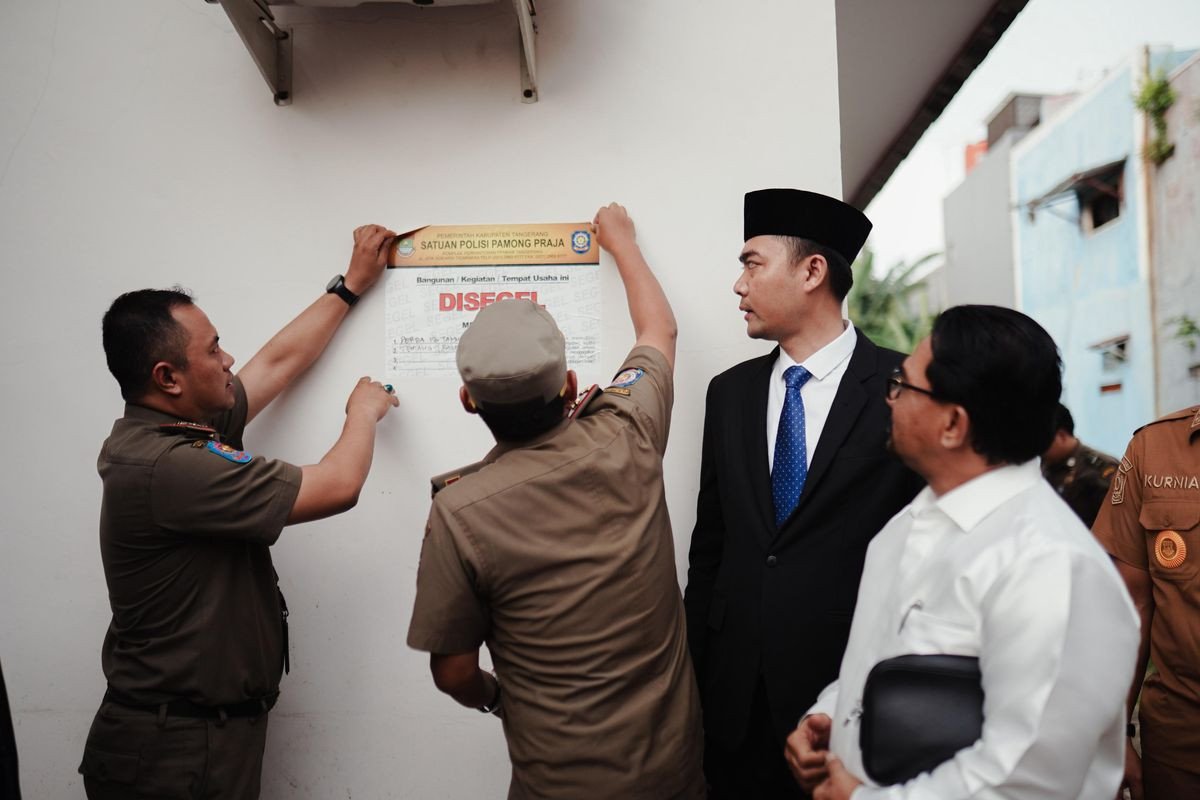
But on Good Friday, which fell on April 3 this year, the public saw a different story. Just hours after worship had ended, authorities sealed the prayer house of a Christian congregation in Teluknaga, Tangerang, citing building permit regulations. It was the second disruption that congregation had faced in two years: The first occurred in July 2024, when local residents dispersed a service held in a private home.
The official explanation cited permit rules. However, beneath the administrative jargon lay something more volatile: a brittle web of sensitivities that can ignite instantly, even while calling itself tolerance.
The reflex response is familiar: Blame religious intolerance; blame the majority; blame the permit system. These are not wrong but they are incomplete, and unfinished diagnoses rarely produce useful remedies.
A more difficult question must therefore be asked. Why does the same pattern appear in Minahasa, North Sulawesi, where a minority faith on Java becomes a majority that then applies the same suffocating pressure to its own local minority?
The Laroma community, which groups adherents of Lalang Rondor Malesung, the ancestral faith of the Minahasa people, has faced sustained discrimination from the Christian-majority communities around it since 2016. In June 2022, their sacred gathering place, Wale Paliusan, was destroyed by residents who branded them “deviant”. A year later, the discrimination persisted.

Every Thursday
The actors were different, the religious banner was different. The mechanism, however, looked painfully familiar.