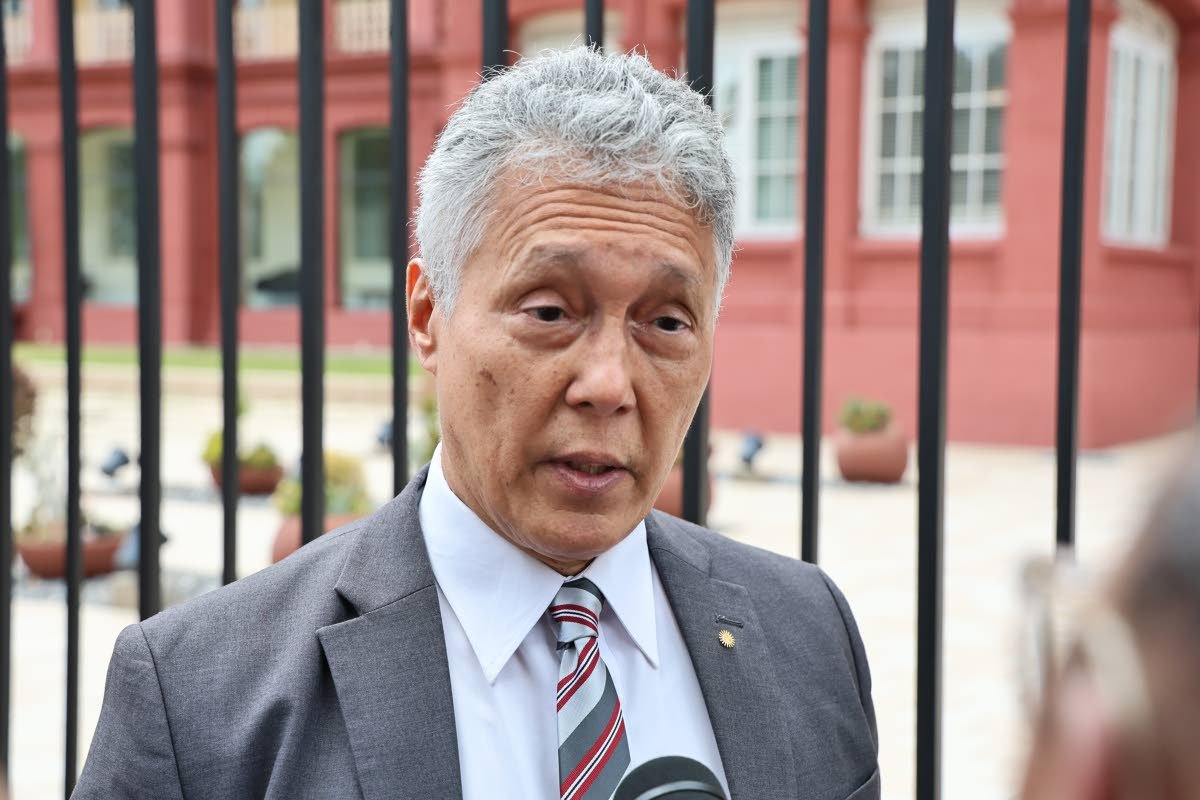
Winning the fight against crime requires more than force, as lasting reductions in crime occur when strong enforcement is matched by equally strong investments in people, families and communities, says Independent Senator Anthony Vieira.
Vieira made the comment yesterday, following Prime Minister Kamla Persad-Bissessar’s announcement that Government will establish 30 joint police-army posts across T&T over the next four months as part of an anti-crime initiative. Six additional sites are still to be determined. The plan is intended to respond to years of requests from communities for a greater security presence and to provide residents with a sense of comfort while helping them regain the use of public spaces.
Vieira said Government’s decision reflects a determination to confront the scourge of violent crime.
“Most citizens will understand, and indeed welcome, the desire of the State to demonstrate that it is present, vigilant and in control. There are times when firm law enforcement isn’t only justified but necessary,” he said.
“However, if our national response to crime comes to be defined solely by armed patrols, checkpoints and military deployments, we risk overlooking a fundamental truth: crime isn’t defeated by force alone.”
He said while law enforcement is indispensable, history teaches that no society has ever achieved lasting peace simply by increasing the visibility of armed personnel.
“Lasting reductions in crime occur when strong enforcement is matched by equally strong investments in people, families and communities,” Vieira said.
“The challenge before us, therefore, isn’t whether we should pursue hard measures or soft measures. We need both. They are not competing philosophies; they’re complementary pillars of an effective national crime strategy. They combine enforcement with long term prevention.”
He added, “Police and soldiers can suppress aspects of crime but only families, schools, communities and opportunity can reduce it permanently. I accept that the hand of the State must remain firm against those who choose violence and a life of crime. But it must also be extended in partnership to families striving to raise their children, teachers shaping the next generation, community leaders building hope and youths searching for opportunity. The only answer is to try and enlist the public.
“Ultimately, the safest societies aren’t those with the greatest number of police or soldiers on their streets – they are those where citizens have the greatest stake in preserving peace. If we truly wish to win the fight against crime, we must do more than guard our communities. We must rebuild them.”
Vieira cited points requiring attention:
Strong families – Remain T&T’s first and best line of defence against crime. Parenting support, counselling services, substance abuse treatment, domestic violence intervention and early childhood programmes are among the most effective crime prevention measures. Supporting families today prevents victimisation tomorrow.
Schools – Too many boys grow up without a stable father or positive male role model. Increasing the number of male teachers, together with structured mentoring programmes involving retired teachers, law enforcement personnel, tradesmen and other respected professionals, could have a profound influence on young men’s lives.
Employment opportunities – Many school leavers possess talent but lack practical pathways into meaningful work. Expanded apprenticeship programmes, vocational training, digital skills development and partnerships with industry would provide youths with realistic alternatives to criminal recruitment.
* Sport – All aspects, plus steelband, dance and other organised activities teach discipline, teamwork and resilience, providing youths with purpose and belonging.
* Partnerships – Government should deepen partnerships with churches, mandirs, mosques, non-governmental organisations, service clubs and community groups. These already possess the trust, credibility and local knowledge that no government department can easily replicate. Crime prevention is ultimately a shared national responsibility.
* Rebuiding community life – Many neighbourhoods offer few places where residents can gather. Community centres, libraries, sporting facilities, cultural spaces and well-maintained parks help build relationships, strengthen neighbourhood identity and create social cohesion that discourages crime.
* Urban spaces/environmental design – Addressing communities which have become concrete landscapes and conditions allowing crime to flourish. Trees, shaded walkways, parks, community gardens and attractive public spaces improve mental well-being and encourage positive social interaction. Better lighting, cleaner streets, redevelopment of abandoned buildings, safer pedestrian routes and well-maintained public spaces contribute to reducing opportunities for crime.