Taxation of benefits in kind for electric cars is planned from 2027, while this has not happened for combustion engines. That is counterproductive. The traffic club is calling for adjustments and an end to the cap.

The VCÖ is calling for an equivalent increase for combustion engine models. IMAGO/W2Art
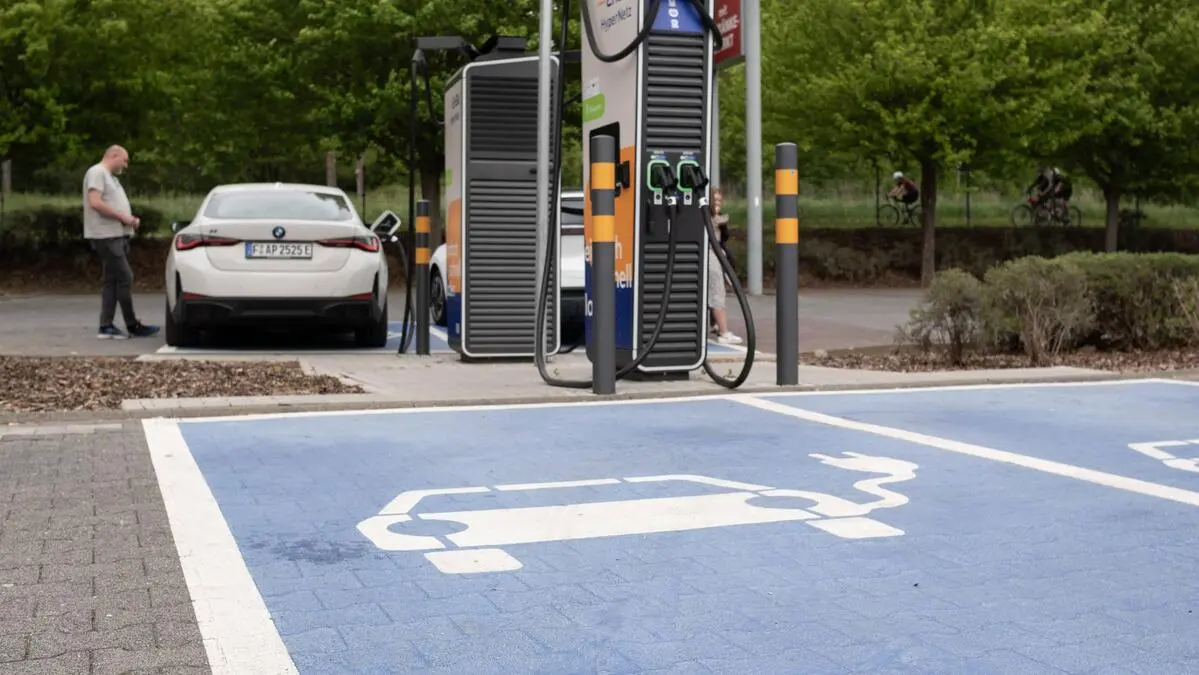
The Austrian Transport Club (VCÖ) criticizes the planned taxation of the benefit in kind for privately used electric company cars from 2027. Since the taxable benefit in kind for cars with combustion engines will not be increased at the same time, the incentive to purchase electric cars will decrease. The organization warned that this would be counterproductive to the climate goals. The VCÖ is therefore calling for an equivalent increase for combustion engine models.
The number of company vehicles that are also used for private trips has increased significantly over the past ten years. The VCÖ refers to data from the Ministry of Finance, according to which there were 198,154 such cars in Austria in 2025. That was almost 10,000 more than in 2024 and almost doubled compared to 2014. “Even if the number of privately used company cars has almost doubled in the last ten years, this tax advantage still only benefits a small minority,” said VCÖ expert Michael Schwendinger. Currently only five percent of employed people would pay a benefit in kind for private use.
According to media reports, from 2027 onwards, a monthly benefit in kind of 0.375 percent of the purchase costs will be set for the private use of e-company cars. For cars with combustion engines, this value is currently a maximum of two percent and is capped at 960 euros. In addition, the calculation is independent of whether 7,000 or 30,000 kilometers per year are driven privately, criticizes Schwendinger. The VCÖ advocates an end to the cap and a staggering based on the kilometers actually driven, as the current system offers incentives to drive more by car instead of using public transport.
According to VCÖ, a reform of company car taxation would be an important lever for the energy transition, as around two thirds of new cars in Austria would be registered to legal entities. When it comes to new electric registrations, Austria, with a share of 23 percent in the first four months, is well behind other European countries such as Denmark (80 percent) or Sweden (41 percent). The club said that the planned measure would slow down the necessary energy transition in transport and would ultimately cost the budget dearly because Austria would fall even further short of its climate targets.