
Talking about intimate health is still uncomfortable for many women, but the truth is that symptoms such as Itching, burning, or changes in vaginal discharge are more common than you think. Far from being something minor, these signs can be related to two important conditions: vaginal dysbiosis and vaginitis.
Keren Porat, specialist in gynecology and obstetrics, who is part of the Mediasmart clinical network, clearly explained the differences, causes and risks associated with these conditions, which affect a large number of women at different stages of their lives.
What you should know:
- Vaginal dysbiosis and vaginitis occur when the good bacteria in the vagina become unbalanced.
- Changes in discharge, odor or itching are warning signs.
- Habits such as proper hygiene and dry clothing help prevent problems.
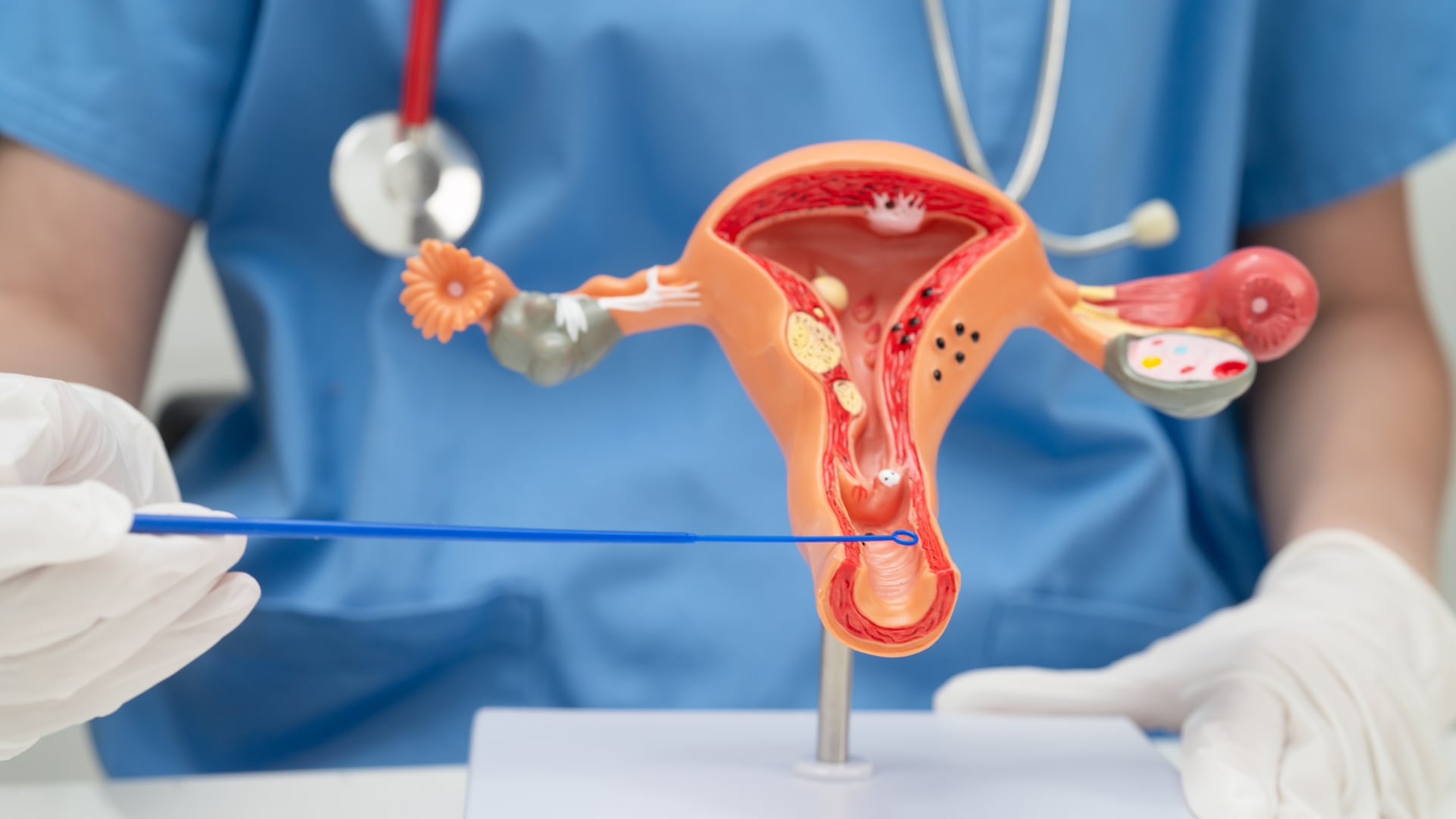
The gynecologist explained that the vaginal dysbiosis refers to an imbalance in the vaginal microbiota.
Under normal conditions, the vagina has good bacteria that perform a protective function, but When this balance is disturbed and these bacteria decrease, the likelihood of harmful microorganisms proliferating increases..
“It is important to detail that dysbiosis is not an infection in itself, but rather a condition that facilitates its appearance that affects the woman’s body,” Porat clarified.
According to the specialist, once the balance is broken, the probability of developing infections increases. In this context appears the vaginitiswhich, according to the expert, is an inflammation of the vagina that can be caused by fungi, bacteria or parasites.
“Practically everything that ends in “itis” is an inflammation in medical terms and the vaginitis “It is an inflammation of the vagina that can be caused by different agents,” said the gynecologist.
The most common forms of vaginitis are:
- The candidiasis, caused by fungus, causing thick discharge and intense itching
- The bacterial vaginosisassociated with bad odor and grayish discharge
- The trichomoniasisan infection that can be transmitted sexually
Each one requires a specific treatment, so medical evaluation is essential.
“Some women may notice a thick white discharge accompanied by intense itching, which is usually related to candidiasis. In other cases, the discharge may be grayish and have a bad smell, a sign of possible bacterial vaginosis. There is also trichomoniasis, which can produce a greenish discharge and is associated, in some cases, with sexual transmission,” the specialist described.
Data from the World Health Organization (WHO) reveal that Vaginosis affects almost one in four women of childbearing age. This infection not only causes uncomfortable symptoms, but also raises the risk of contracting the Human Immunodeficiency Virus (HIV) and other sexually transmitted diseases, it can even affect the pregnancy period if it is not attended to in time.
Why does vaginal dysbiosis and vaginitis occur?
The causes are varied and, in many cases, are linked to daily habits. Antibiotic use, stress, hormonal changesprolonged humidity or even a drop in defenses can alter the vaginal microbiota and facilitate the appearance of infections.
Faced with these symptoms, many women choose to self-medicate, either out of shame or because they believe it is something simple. However, this decision can worsen the situation, because although some treatments provide temporary relief, they do not always attack the real cause, which can lead to recurrent infections or drug resistance.
Factors that influence its appearance
Various elements can favor the vaginal dysbiosis and the vaginitis:
- Antibiotic use
- Stress or decreased defenses
- Hormonal changes
- Excess moisture in the intimate area
- Diseases such as diabetes
- Unprotected sexual relations
Added to this is another common mistake: thinking that a deeper cleaning is the solution. Vaginal douches or internal washes, far from helping, eliminate the bacteria that protect the intimate area and increase the risk of irritations and infections.
“Please, this It is a call to say no to vaginal douching and internal washing, because by doing them we eliminate practically all the good bacteria flora and cause great damage to our body,” insisted the gynecologist and obstetrician.
At this point, Prevention plays a key role. Maintaining a balanced diet, avoiding excess sugar, changing wet clothes after exercising and using protection during sexual relations are simple measures that can make a big difference.
Besides, If you are being treated with antibiotics, the use of probiotics can help maintain the balance of the microbiota and reduce the risk of developing subsequent infections.
Importance of treatment to avoid vaginal dysbiosis and vaginitis
- Avoid complications
- Prevents recurrences
- Allows the correct cause to be treated
According to Porat, the duration of vaginitis or vaginal dysbiosis can vary considerably since in some cases they are isolated episodes, while in others they can become recurrent if the risk factors are not corrected.
“For example, it may be that the patient started with a candidiasis, it was treated, but perhaps that dysbiosis continues, then in three months it came back, or in one month it got back, so it is very varied,” explained Porat.
The specialist remembers that Not all vaginal discharge is a sign of illness, but it is a way in which the body communicatesfor that reason, it is essential to observe any changes and consult a professional in time.