
A US federal judge has struck down a Trump administration policy that suspended the issuance of immigrant visas to nationals of 75 countries, including Dominica, clearing a major legal obstacle for people seeking to move to the United States permanently.
The ruling, handed down on Friday, August 21, by US District Judge Jeannette Vargas in Manhattan, found that the policy exceeded the statutory authority of Secretary of State Marco Rubio and conflicted with the US Immigration and Nationality Act (INA).
Judge Vargas described the policy as “patently unlawful” and ordered it vacated under the Administrative Procedure Act.
The decision represents a significant setback for the Trump administration’s effort to restrict legal immigration and could reopen the path for affected applicants whose immigrant visa applications had been frozen because of their nationality.
The ban began in January 2026 when the US Department of State announced that it would pause immigrant visa processing for nationals of 75 countries.
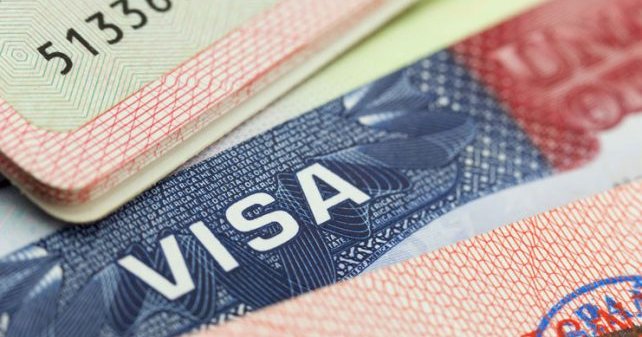
The suspension took effect on January 21 and applied to immigrant visas — the category of visas used by people seeking to enter the United States permanently and which can lead to lawful permanent resident status, commonly known as a green card.
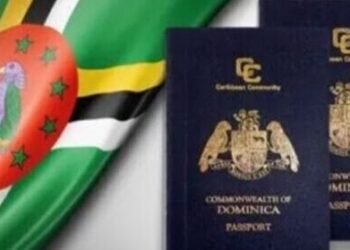
Dominica was among the Caribbean countries included on the list. The measure also affected countries across Africa, Asia, Latin America, the Middle East and the Balkans.
The State Department said the countries had been identified because their nationals were considered to be at elevated risk of becoming a “public charge” — meaning they could become dependent on government assistance after entering the United States.
The department said immigrant visa processing from the 75 countries would remain frozen until the US could ensure that new immigrants would not place an unacceptable burden on American taxpayers.
The suspension affected people seeking permanent immigration through routes including family-sponsored and employment-based immigrant visas. It did not, however, constitute a general suspension of tourist or other non-immigrant visas.
The central issue that Judge Vargas had to deal with was whether the Secretary of State had the legal authority to impose a blanket suspension on immigrant visas based on the applicant’s nationality.
The judge said he did not.
Under the INA, consular officers are responsible for determining whether an individual immigrant visa applicant is legally eligible for a visa. That assessment includes consideration of the public-charge provisions of US immigration law.
Judge Vargas found that the State Department’s policy effectively removed that individual decision-making process and replaced it with a categorical rule: if an applicant came from one of the 75 countries, the immigrant visa could not be issued.
In one of the strongest passages of the ruling, Vargas wrote: “The Policy, which categorically prohibits the issuance of immigrant visas based upon the nationality of the applicant, represents a direct abrogation of this statutory scheme.”
In other words, the judge concluded that the administration could not simply tell consular officers to refuse otherwise eligible applicants because they happened to hold passports from countries on the 75-country list.
The ruling also found that Rubio had exceeded the authority Congress had given the Secretary of State. Federal immigration law, the judge said, placed the authority and discretion to determine individual immigrant-visa eligibility with consular officers rather than allowing the Secretary of State to predetermine the outcome for an entire nationality group.
The Trump administration’s justification for the suspension was based largely on concerns over government assistance.
The State Department said people from the affected countries were at “a high risk for becoming a public charge and recourse to local, state and federal government resources in the United States.”
The department cited government data indicating that more than 30 percent of households with immigrants from the affected countries received some form of public assistance.
But the court found that this country-by-country approach could not replace the individualized assessment required by federal immigration law. The question of whether someone is likely to become a public charge must be considered in relation to the particular applicant rather than
automatically determined by nationality.
What does the ruling mean for Dominicans?
For Dominican nationals pursuing immigrant visas from outside the United States, the decision removes the specific 75-country nationality-based suspension that had prevented their immigrant visas from being issued.
That does not mean every Dominican applicant will automatically receive a US visa. Instead, applicants should once again be considered under the normal legal requirements governing immigrant visas. A person must still satisfy all applicable immigration requirements, and a consular officer can refuse an application for another lawful reason.