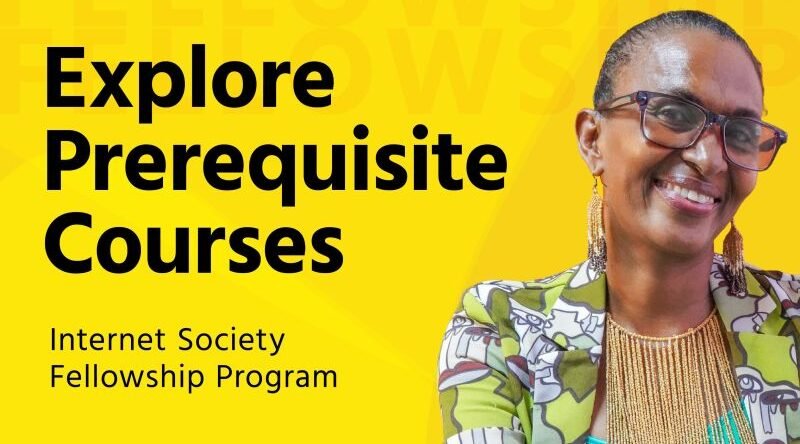

Dominican educator and disability inclusion advocate Beverly Leblanc has represented Dominica at the Internet Society Community Advocacy Workshop held in Brussels, Belgium, from October 13 to 15, 2026.
Selected through the Internet Society Community Advocacy Fellowship, Leblanc was the only participant from the English-speaking Caribbean at the gathering, which brought together advocates from Europe and Africa. Her participation provided an opportunity to share a Caribbean perspective on digital inclusion while strengthening her efforts to promote accessible Internet services for persons with disabilities.
Leblanc’s presence at the international workshop also created an opportunity to raise awareness of Dominica among participants and organisers.
During one exchange, her identification of Dominica prompted some confusion with the Dominican Republic, allowing her to explain the distinction between the two Caribbean nations and share information about her homeland. She welcomed the opportunity to discuss Dominica’s people, its initiatives in inclusive education and the work being undertaken to advance disability rights. Appreciation expressed by members of the Internet Society team for her participation further encouraged her to embrace the role of representing her country on the international stage.
Beyond promoting Dominica, Leblanc is using the fellowship to advance her initiative, “Bridging the Digital Divide: Advancing Accessible, Inclusive, and Meaningful Internet Access for Persons with Disabilities in Dominica.”
The project seeks to improve accessibility across government websites and online public services, recognising that meaningful digital inclusion requires more than simply providing an Internet connection.
Persons with disabilities must also be able to navigate websites, retrieve information and complete online transactions independently. Through Circle of Friends Inc., the Dominican nonprofit organisation she leads, Leblanc aims to encourage collaboration among government agencies, disability organisations, civil society groups and technology professionals to address barriers to digital accessibility.
Her advocacy priorities include increasing public awareness of accessible digital design, encouraging the adoption of recognised accessibility standards and identifying obstacles within selected online public services. She also wants persons with disabilities to have a meaningful role in shaping digital policies and the design of services that affect their lives.
As Dominica continues to expand its use of digital technologies, Leblanc maintains that inaccessible platforms risk excluding people who already face barriers to accessing information and essential services. Her initiative therefore seeks to ensure that the country’s digital transformation benefits the wider population, regardless of individual abilities.
An important component of the Brussels programme was a visit to the European Parliament, where participants heard from Member of the
European Parliament, Kristian Vigenin. Discussions examined three legislative initiatives concerning the digital environment: the Digital
Services Act, the proposed Digital Fairness Act and the EU KIDS Act, which focuses on protecting children online.
The engagement explored matters relating to online safety, fairness in digital services and the protection of children in an increasingly connected society. For Leblanc, whose professional interests include education, child protection and disability inclusion, the discussions offered relevant perspectives on how legislation and public policy can help create safer and more accessible online environments.
Leblanc has also taken her message to the public through an opinion article published by Dominica News Online, titled “The open door that not everyone can get through.” In the article, she challenges the assumption that making services available online automatically makes them accessible to everyone. She points out that people who use screen readers or have other accessibility requirements may still encounter obstacles that prevent them from navigating websites or completing online transactions.
Her central argument is that accessibility must be incorporated into the development of digital platforms from the outset, rather than treated as an afterthought. The article complements her fellowship project by encouraging greater public discussion about the barriers persons with disabilities face in the digital space.
With more than three decades of experience in education and leadership, Leblanc serves as Executive Director of Circle of Friends Inc. and founded the Achievement Learning Centre. Her work as an educator, inclusive education consultant, mentor and disability rights advocate centres on expanding opportunities for children, young people and persons with disabilities.
Her participation in the Brussels workshop represents an opportunity to build international connections, exchange knowledge and strengthen advocacy efforts at home.
As Dominica continues its digital transformation, Leblanc is calling for a more inclusive approach that allows persons with disabilities to participate not only as users of technology but also as contributors to the policies and systems shaping its future.