The Undersecretary of the Yemeni Ministry of Education for the Training and Qualification Sector, Dr. Zaid Muhammad Qahtan, appreciated the historical and continuous positions of the Kingdom of Saudi Arabia in supporting the Yemeni people.
Dr. Zaid Qahtan stressed, in an interview with Okaz, that the generous and continuous support provided by the Kingdom to the education sector in Yemen represents a lifeline and a crucial strategic pillar to protect the educational system from collapse, and to ensure its continuity in light of the exceptional and critical circumstances that the country is going through, pointing out that the education sector is at the top of the development priorities to which the Kingdom attaches great importance.
Economical safety umbrella
The Undersecretary of the Yemeni Ministry of Education explained that the vital humanitarian and development support led by the Kingdom is not only limited to restoring and rehabilitating infrastructure, but also extends a strategic and sustainable dimension to include capacity building by supporting training programs that enhance the ability of educational personnel to withstand and keep pace with the requirements of modern education, ensuring the flow of educational service to male and female students in various Yemeni governorates without interruption.
Dr. Zaid Qahtan noted the positive and profound repercussions of the economic support packages and the generous billion-billion-dollar deposits and grants provided by the Kingdom to the state’s general budget, stressing that they formed a safety umbrella that directly contributed to securing the minimum operational needs of the Ministry of Education, and maintained the pace of work and the flow of limited resources, which enabled teachers to regularly perform their lofty mission and fulfill their professional duties despite the current economic challenges and waves.
Digital empowerment and artificial intelligence
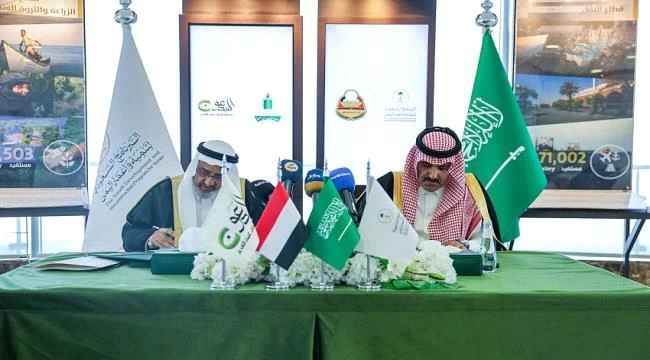
In the context of talking about qualitative development, the Undersecretary of the Ministry of Education reviewed the details of the agreement recently signed with the “Saudi Program for the Development and Reconstruction of Yemen” to launch the “Digital Empowerment of the Yemeni Teacher” project, describing it as a practical and qualitative step to move Yemeni education to the horizons of the new era.
He pointed out that the project aims to arm the Yemeni teacher with the skills of modern technologies, most notably artificial intelligence tools and the design of interactive educational content to keep pace with global developments in teaching methods.
He stated that the first phase aims to qualify 500 male and female teachers to be a solid nucleus capable of employing digital tools within classrooms, which constitutes a cornerstone towards improving the quality of educational practices, simplifying scientific material for students, and activating the role of interactive learning.
Imprints of the “Saudi Program” are exemplary facilities
Regarding the field projects of the “Saudi Program for the Development and Reconstruction of Yemen,” Dr. Zaid Qahtan stressed that the comprehensive construction and rehabilitation projects that affected dozens of modern model schools have made a fundamental difference and a tangible impact that is felt in the educational field and felt by Yemeni families alike.
He added: “This high-end infrastructure, equipped with the latest means, succeeded in enhancing the absorptive capacity of educational facilities, and reducing the deficit gap in classrooms in the areas most in need, which directly contributed to alleviating the intense pressure on existing schools and improving the school environment to be a motivating and healthy knowledge incubator that brings together students and teachers in an ideal educational atmosphere, which reflected positively on reducing the phenomenon of school dropout, after these attractive edifices became a real attracting factor that brought back thousands of students. And the female students return to their natural place on the study desks to secure their cognitive future.”
Sustainability and institutionalization of development
The Undersecretary of the Ministry of Education for the Training and Qualification Sector concluded his speech by outlining the future aspirations of the strategic partnership with the Kingdom, stressing that the upcoming vision is based on moving from urgent support towards “sustainable and specialized development programmes,” by institutionalizing professional development programs for teachers to become an integral part of the national training system.
He pointed to the trend to generalize digital empowerment experiences to include a wider area commensurate with the available infrastructure, in addition to strategic planning for infrastructure by focusing on periodic maintenance projects for facilities to ensure their sustainability, and building innovative educational models that meet the growing needs, stressing that the Ministry and the Saudi program are working in the spirit of one team to review field needs to ensure that upcoming initiatives have a realistic and direct impact on the quality of education and building the future.
The Undersecretary of the Yemeni Ministry of Education for Training and Rehabilitation, Dr. Zaid Mohammed Qahtan, praised the historical and ongoing positions of the Kingdom of Saudi Arabia in supporting the Yemeni people.
Dr. Zaid Qahtan confirmed, in an interview with “Okaz,” that the generous and continuous support provided by the Kingdom to the education sector in Yemen represents a lifeline and a crucial strategic pillar for protecting the educational system from collapse and ensuring its continuity amid the exceptional and critical circumstances the country is experiencing. He pointed out that the education sector is at the forefront of the developmental priorities that the Kingdom pays great attention to.
An Economic Safety Net
Dr. Zaid Qahtan explained that the vital humanitarian and developmental support led by the Kingdom is not limited to repairing and rehabilitating infrastructure only, but extends with a strategic and sustainable dimension to include capacity building through supporting training programs that enhance the ability of educational staff to withstand and keep pace with the requirements of modern education, ensuring the uninterrupted flow of educational services to students in various Yemeni governorates.
Dr. Zaid Qahtan noted the positive and profound impacts of the economic support packages, deposits, and generous billion-dollar grants provided by the Kingdom to the state budget, confirming that they formed a safety net that directly contributed to ensuring the minimum operational needs of the Ministry of Education and maintained the pace of work and the flow of limited resources, enabling teachers to regularly perform their noble mission and fulfill their professional duties despite the challenges and current economic waves.
Digital Empowerment and Artificial Intelligence
In the context of discussing qualitative development, the Undersecretary of the Ministry of Education reviewed the details of the recently signed agreement with the “Saudi Program for the Development and Reconstruction of Yemen” to launch the “Digital Empowerment for the Yemeni Teacher” project, describing it as a practical and qualitative step to elevate Yemeni education to the horizons of the new era.
He pointed out that the project aims to equip the Yemeni teachers with modern technology skills, foremost among them artificial intelligence tools and the design of interactive educational content to keep pace with global developments in teaching methods.
He indicated that the first phase targets the qualification of 500 male and female teachers to be a solid nucleus capable of employing digital tools within classrooms, which forms the cornerstone towards improving the quality of educational practices and simplifying the scientific material for students and activating the role of interactive learning.
Imprints of the “Saudi Program”: Model Facilities
Regarding the field projects of the “Saudi Program for the Development and Reconstruction of Yemen,” Dr. Zaid Qahtan confirmed that the comprehensive construction and rehabilitation projects that have affected dozens of modern model schools have made a significant difference and a tangible impact felt in the educational field and by Yemeni families alike.
He added: “This high-quality infrastructure, equipped with the latest means, has enhanced the capacity of educational facilities and reduced the gap in classroom shortages in the needy areas, which has directly contributed to alleviating the intense pressure on existing schools and elevating the school environment to be a stimulating and healthy knowledge incubator that brings together students and teachers in ideal educational settings, which has positively affected on reducing the phenomenon of school dropouts, as these most attractive edifices have become a real attraction factor that has brought thousands of students back to their rightful place at their desks to secure their educational future.”
Sustainability and Institutionalization of Development
The Undersecretary of the Ministry of Education for Training and Rehabilitation concluded his remarks by outlining the future aspirations for the strategic partnership with the Kingdom, confirming that the upcoming vision is based on transitioning from urgent support to “sustainable and specialized development programs,” through institutionalizing professional development programs for teachers to become an integral part of the national training system.
He pointed out the direction to generalize digital empowerment experiences to encompass a broader area that fits the available infrastructure, in addition to strategic planning for infrastructure by focusing on periodic maintenance projects for facilities to their sustainability, and building innovative educational models that meet increasing needs, confirming that the Ministry and the Saudi program are working as one team to review field needs to ensure that upcoming initiatives have a real and direct impact on the quality of education and building the future.