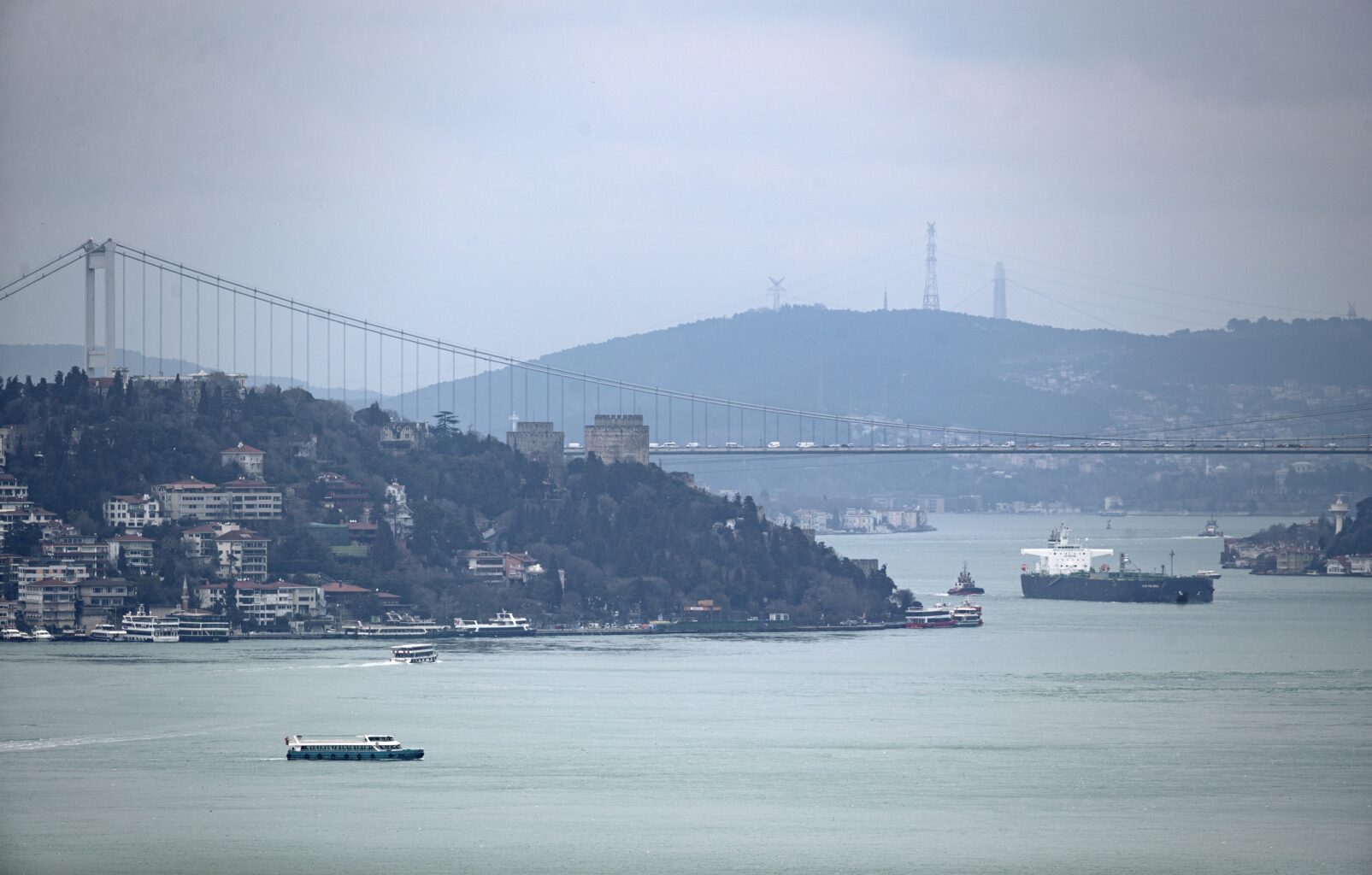
From the Dardanelles to the Strait of Hormuz: How Narrow Waters Become Pathways to Global Power
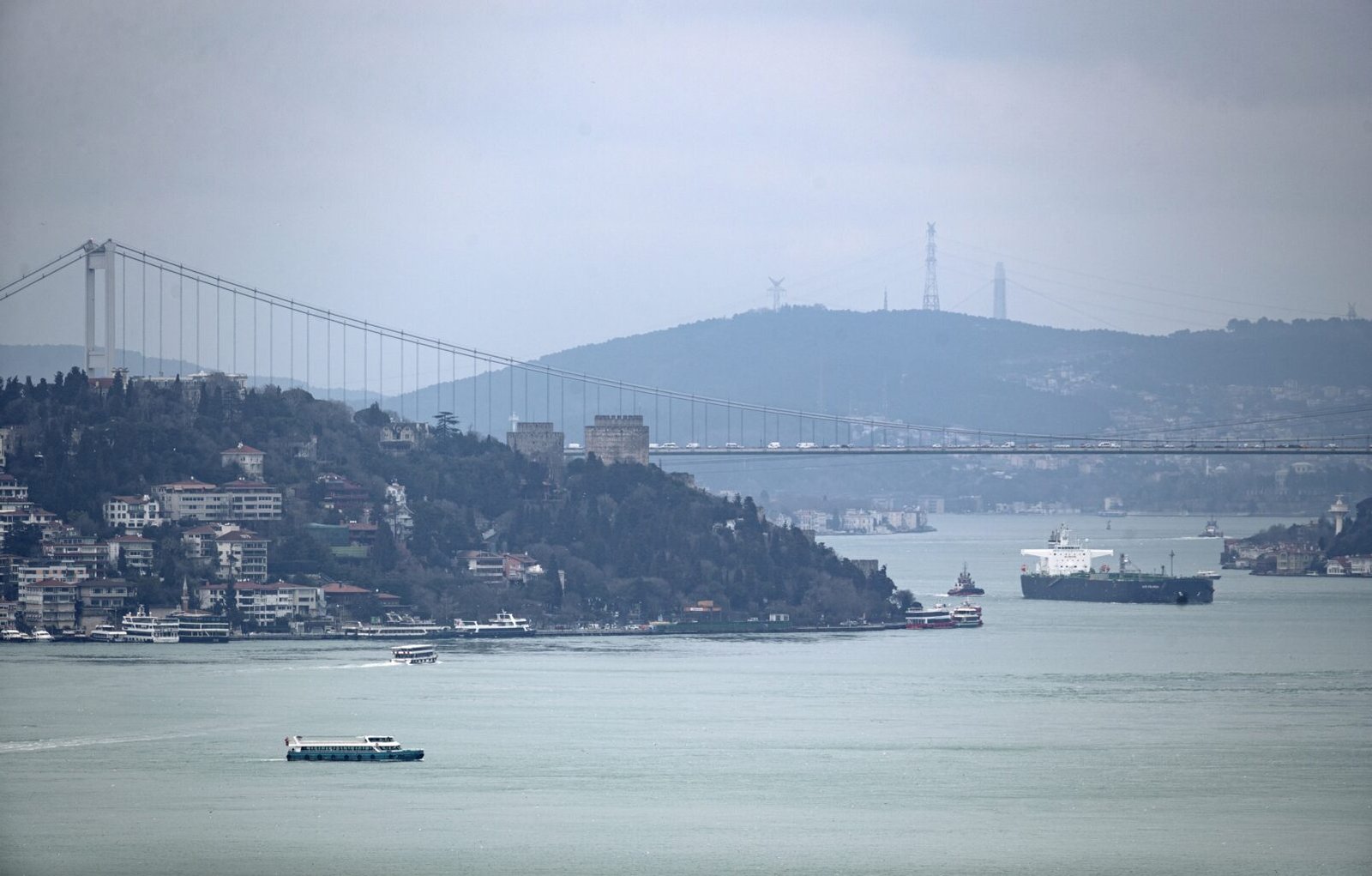
- If the Dardanelles were the gateway to the Black Sea, then the Strait of Hormuz is the gateway to world energy. About a fifth of the global oil trade passes through this narrow sea channel. For Iran, Hormuz represents a geostrategic asset, a deterrent, a potential economic-financial lever. But unlike Turkey, Iran does not enjoy an internationally recognized regime of control like that of Montreux. Instead, its influence is asymmetric, based on military elements, regional tensions and the ability to disrupt the flow. The key question is how Iran can transform its position into a legitimate controller, as Turkey did with the Dardanelles.
At the time of the Battle of Gallipoli (Turkey vs. Great Britain and France), the great powers learned that even a huge military force can be broken in a few tens of kilometers of water. Today, instead of military fleets, tankers pass through the Strait of Hormuz, but the principle remains unchanged. Namely, whoever controls the flow controls the economy…
Turkey and the lesson from the Dardanelles
The control that today’s Turkey has over the Dardanelles is not just a geographical privilege, it is the result of a long political and military struggle. After the First World War and the collapse of the Ottoman Empire, the status of the straits was internationalized. But with the Montreux Convention, Turkey managed to regain sovereign control. This convention allowed her to regulate military traffic through the strait, limit the presence of foreign fleets and become an indispensable factor between East and West! Thus, Turkey turned its geographical opportunity into diplomatic capital. Turkey may not have become a “superpower”, but it has gained the status of a key regional player with global significance, a country that cannot be bypassed.
Could Iran become the “new Turkey”?
If the Dardanelles were the gateway to the Black Sea, then the Strait of Hormuz is the gateway to world energy. About a fifth of the global oil trade passes through this narrow sea channel. For Iran, Hormuz represents a geostrategic asset, a deterrent, a potential economic-financial lever. But unlike Turkey, Iran does not enjoy an internationally recognized regime of control like that of Montreux. Instead, its influence is asymmetric, based on military elements, regional tensions and the ability to disrupt the flow. The key question is how Iran can transform its position into a legitimate controller, the way Turkey did with the Dardanelles.
Our interlocutors, university professors and several retired diplomats, say about Iran that “now it has a historic chance to get out of the long-term pressure from the United States and take a new step towards an agreement that, given the development of events, would not be signed by the authorities in Tehran with a gun pointed at its head, i.e. under pressure, given the fact that Tehran managed to counter the military attack of the United States, which did not cause a crisis or the fall of the regime in Iran.” But how should events develop, for Iran to benefit from the whole situation? The interlocutors say that certain preconditions are needed for that.
– Three conditions would be required for that. First, a change in the international balance, and a noticeable perception in the international factor of the weakening of the US influence in the region, which would open up space for new agreements and security architectures. Second, so-called “diplomatic identification” is required. Iran would have to move from a policy of threat to a policy of agreement, something similar to Montreux, but for the Persian Gulf. And thirdly, for that, Tehran would have to fight for regional acceptance of its initiative and proposal for new agreements and security architectures in the region. Without consent or at least tolerance from neighbors and global economies, control would remain unstable and conflictual, several of our interlocutors claim.
What would that mean for the global order?
According to the interlocutors, if Iran manages to establish stable and recognized control over Hormuz, the consequences would be far-reaching.
– Iran would legitimately and legally have, let’s call it a kind of “energy power” to directly influence oil and gas prices. Then, Iran would gain added value as geopolitical weight, i.e. positioning itself as a key player between Asia, Europe and the Middle East. And thirdly, Iran would get a kind of strategic autonomy, that is, reducing its dependence on external pressure. In other words, Iran would come closer to the status that Turkey has built, not necessarily as a dominant power, but as an inevitable factor – claim our interlocutors.