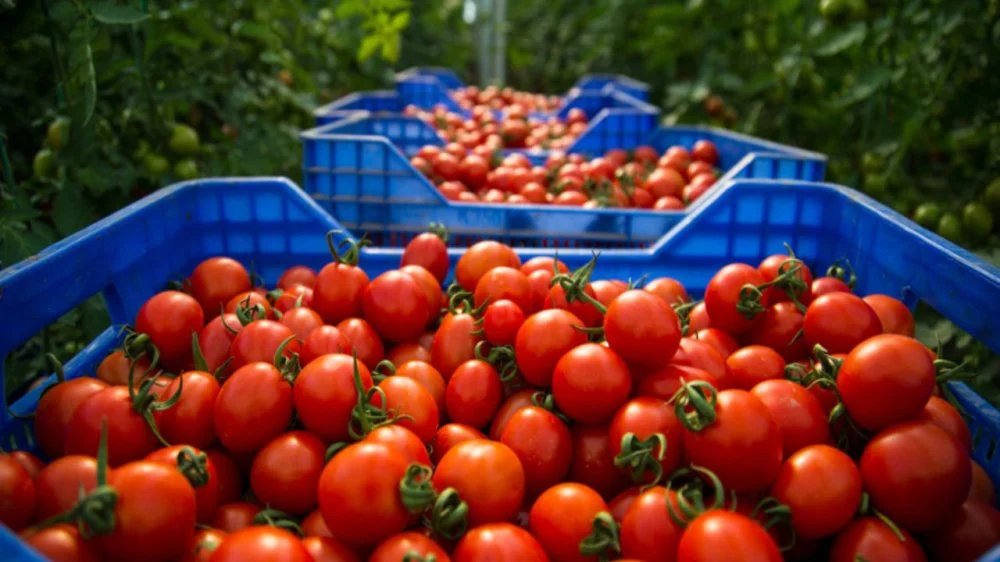
THE Moroccan tomato exports reached a new record during the 2024/2025 agricultural seasonwith a volume of 745,000 tonnes. This level represents an increase of 80% over the last decade and reinforces the Morocco in its position as third supplier of European marketbehind theSpain and the The Netherlands.
For the 2025/2026 campaign, however, the sector faces certain climatic constraints. Exports should therefore be slightly lower than those of the previous season, indicates Fatiha CharratDeputy Director General of Delassus group in a declaration to the specialized platform FreshPlaza.
According to the same source, this progression is largely based on an evolution of the product mix. THE tomatoes segmented, notably cherry, baby plum and specialty varietiesnow represent nearly 59% of exports total.
The manager emphasizes that these tomatoes segmented have become a pillar of Moroccan competitiveness, with more than 400,000 tonnes exported and an increase of 35% over the last two years.
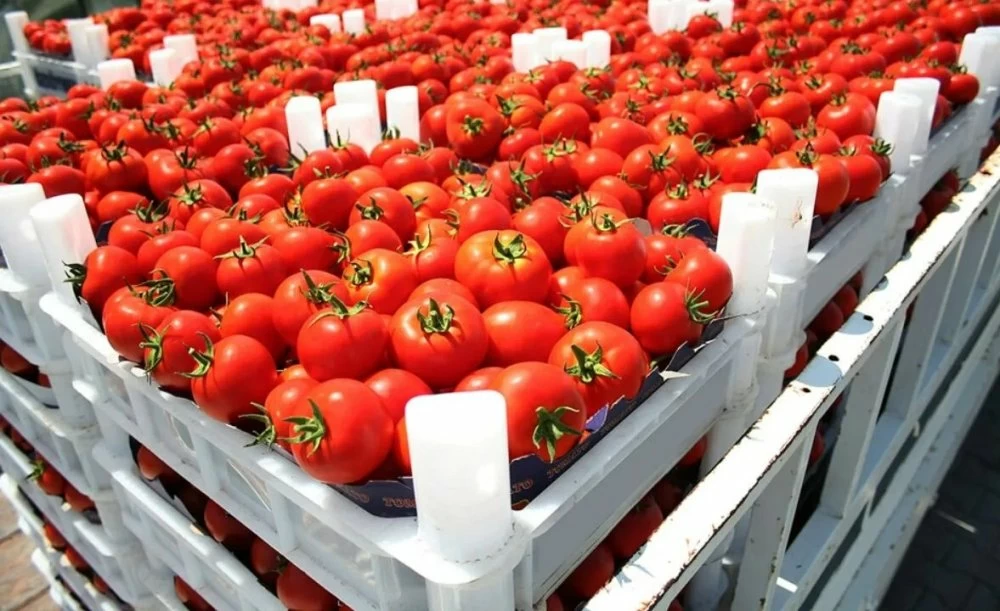
There France remains by far the first declared destination of Moroccan tomatoesabsorbing more than half of national exports. However, Fatiha Charrat specifies that this reading remains partial, Perpignan mainly playing the role of a redistribution platform towards Germany, Scandinavia, Austria and other markets in northern Europe.
In this context, the Moroccan exporters are moving more and more towards direct deliveries, bypassing French platforms. According to statistics cited by Fatiha Charrat, Germany’s share has doubled in five years, from 9% to 18%.
Taking into account re-exports via France, the Morocco would now supply around 50% of the baby plum tomatoes sold on the German market.
The export sector also remains concentrated. The top ten exporters of Souss-Massa region represent approximately 65% of total volumes. Azura takes first place, followed by Duroc.
Still according to Fatiha Charrat, strategies differ between operators. Some companies remain heavily dependent on a single market, particularly France, while others continue to diversify into the United Kingdom, Germany and African markets.
Despite these performances, the sector is under increasing pressure. Water scarcity remains a major issue, with the depletion of groundwater, pushing producers to resort more to desalination of seawater, which increases the production costs.
Labor shortages as well as rising energy costs also increase pressure on margins.
According to Fatiha Charrat, future growth will be based on several levers: continued upgrading, geographic diversification and the development of new production areas. Dakhla should, as such, play a strategic role.
Between strong growth and increasing constraints, the Moroccan tomato industry is entering a new phase, where cost control, market diversification and maintaining competitiveness will be decisive.