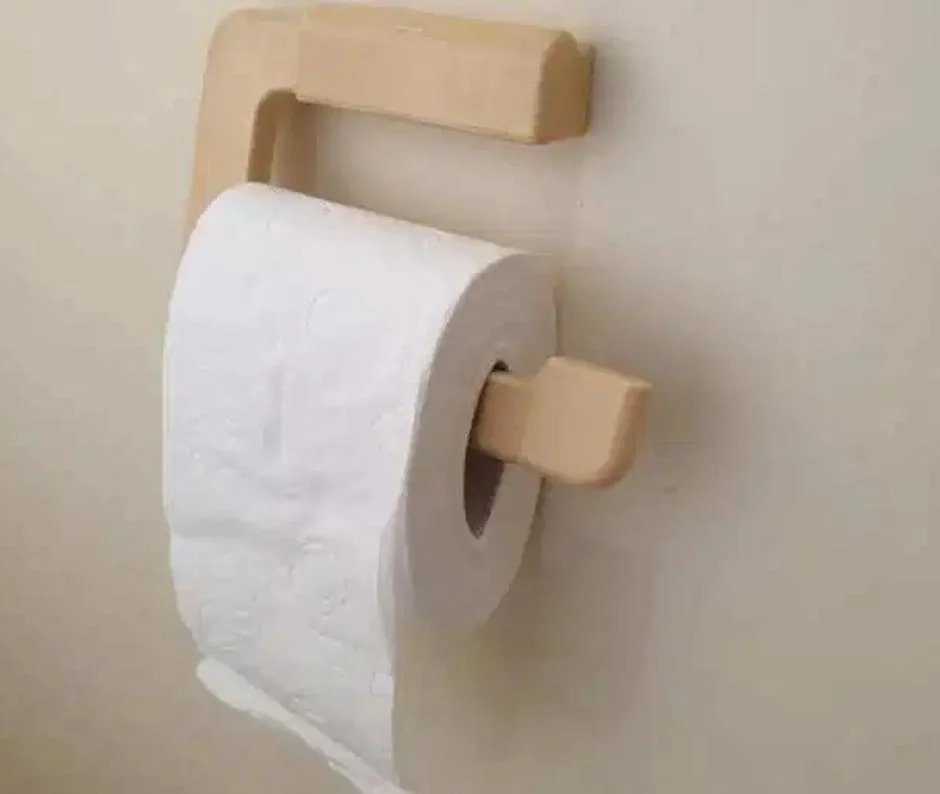
Toilet paper has been an almost indispensable part of personal hygiene for decades, but habits seem to be slowly changing. Smart toilets that combine the functions of a bidet and a toilet are becoming increasingly popular, and many believe that they could significantly reduce the use of toilet paper.
The bathroom, which for years had an exclusively practical purpose, has undergone a major transformation in recent years thanks to new technologies that change everyday habits. Smart toilets are no longer reserved only for luxury hotels or exotic destinations, but are becoming one of the leading trends in home furnishing.
What was until recently characteristic of Japan and certain Asian countries can now be seen more and more frequently in homes around the world. Users are looking for greater comfort, better hygiene and more efficient solutions for everyday life.
The so-called “washlet” systems originated in Japan, but their popularity is rapidly spreading to other parts of the world. These are devices that combine the functions of a toilet and a bidet in one system, with the application of advanced technology that improves personal hygiene.
Temperature, pressure and jet direction can be adjusted
Their main feature is the water washing system with the ability to adjust the temperature, pressure and direction of the jet. Many models have additional functions such as drying with warm air, heated seats and sensors that automatically recognize the presence of the user.
Experts point out that the development of this technology is part of the wider trend of smart homes, where every detail has the task of making everyday life easier. That is why architects and interior designers increasingly include smart toilets in modern projects.
The most significant change that these smart toilets bring is the reduction of the need for toilet paper, and in some cases, its complete elimination. Washing with water is said to provide a more thorough cleaning compared to traditional methods, while at the same time reducing direct contact and can be gentler on the skin. In addition, many models are equipped with antibacterial systems and programs for automatic cleaning, which further raises the level of hygiene.
Environmental benefits
In addition to practicality, an increasing number of customers are also attracted to the ecological side of this technology. Less consumption of toilet paper also means less need for wood raw material, water and energy needed for its production. That is why smart toilets and washlet systems are increasingly seen as a sustainable solution that fits into contemporary ecological trends and the concept of responsible consumption.
In addition to a high level of hygiene, smart toilets also bring greater comfort in everyday use. Automated functions simplify the daily routine, while modern materials help to keep the equipment clean and long-lasting. However, experts emphasize that even the most modern systems cannot completely replace regular maintenance. In order to prevent the accumulation of bacteria and unpleasant odors, regular cleaning and disinfection is necessary.
The growing popularity of these devices shows that consumer habits are changing rapidly. The bathroom of the future is no longer just a vision, but has become a reality in many homes.