TRAVNIK – Brucellosis has been spreading among residents in FBiH in recent months, and the most cases were recorded in Central Bosnia Canton, where the number of patients, including children, is increasing.
Briefly:
- Brucellosis has been spreading among the residents of the Federation of BiH in recent months
- The most difficult situation is in the Central Bosnian Canton, where the number of patients is increasing
- Children are among the infected, and experts warn that the situation is alarming
- The disease is most often transmitted through unpasteurized milk and contact with infected animals
Thus, according to the data of the Institute of Public Health of the Federation of BiH, in the first four months in the territory of the Federation of BiH, 51 cases of disease were recorded, which is far more than in the same period last year, when there were 20.
The situation is alarming
Amir Bulut, president of the Association of Agricultural Milk and Meat Producers, SBK, says that from January to April, 22 people were infected with brucellosis in the area of that canton, and that there were another 28 in May.
“And in June, another case of an infected child was reported, and that was only in the Cantonal Hospital in Travnik. There are also cases in the Clinical Center in Sarajevo and in the hospital in Zenica. The situation is alarming,” Bulut points out for “Nezavisne novine”.
What’s the problem?
He explains that the problem is with people who are not in the system of organized purchase of milk and meat.
“Veterinarians there do not carry out mandatory measures, i.e. they do not take blood and analyses, so for example someone has five cows or 20-30 sheep, and all of this is bought and resold without supervision. The situation is very bad in the Zenica-Doboj canton and here,” adds Bulut.
He states that they were in the federal ministry at the beginning of June, all in order to involve federal inspectors and veterinarians, because many children were infected.
“I have been warning for two or three years that it is necessary to stop this, because brucellosis can be solved very easily, it is only important that the veterinary stations, the cantonal ministry and inspectors agree, and that all people who have animals implement the prescribed measures,” says Bulut.
Where is the worst situation?
According to him, the worst situation in this canton is in Vitez, Jajce, Fojnica and Kiseljak.
“I know that on Monday in Gornji Vakuf, 37 sheep belonging to one man were to be destroyed. Also, there were infected cows in Jajce, while in Fojnica, a man infected 15 people who took goat’s milk from him, which was not boiled because of his advice. He did not carry out any controls,” claims Bulut.
The Service for Epidemiology of Infectious Diseases of the Institute of Public Health of the Federation of Bosnia and Herzegovina confirms that, according to data from the surveillance of infectious diseases, 51 cases of brucellosis were reported in FBiH from the beginning of the year to April.
“There is an obvious increase compared to the same period last year, when 20 cases were reported. According to the latest annual data for 2025, brucellosis was the most frequently registered zoonosis in the Federation of Bosnia and Herzegovina, with an incidence of 6.8 patients per 100,000 inhabitants,” the Institute told “Nezavisne novine”.
Most of the reported cases were registered, they explain, in Central Bosnia, Una-Sana and Tuzla cantons.
“The high prevalence of brucellosis can be linked to its presence in livestock, human contact with infected animals and the consumption of unpasteurized products, along with differences in the implementation of veterinary surveillance,” they add.
They point out that brucellosis can be a serious disease in humans, especially if it is not recognized and treated in time.
What is brucellosis and how is it transmitted?
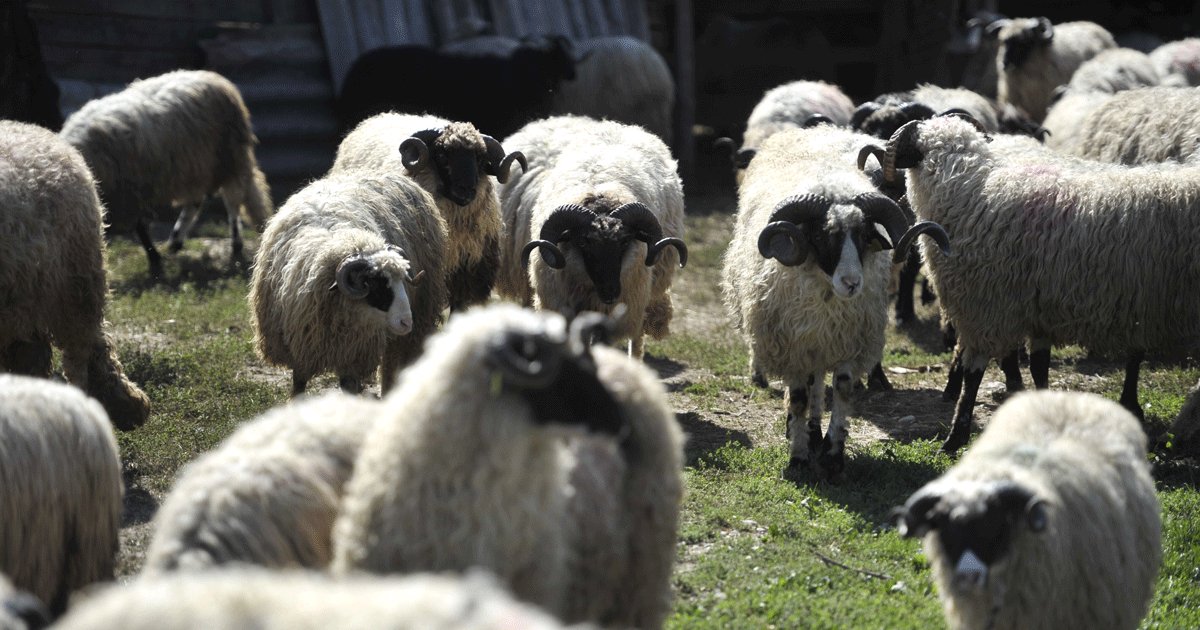
“It is a bacterial zoonosis that is transmitted from infected animals (cattle, pigs, goats and sheep) to humans, most often through the consumption of unpasteurized milk and dairy products, but also through direct contact with infected animals or their tissues and secretions,” they explained.
What are the symptoms of the disease?
The disease manifests itself with flu-like symptoms, such as fever, sweating, weakness, muscle and joint pain, and general malaise.
“In the case of inadequate treatment, it can lead to complications and long-term health problems, including involvement of the joints, heart or other organs. People who work professionally with animals, such as livestock farmers, veterinarians, butchers and laboratory staff, are at particularly high risk,” the Institute stated.
Prevention measures
The most important prevention measures include avoiding the consumption of unpasteurized milk and dairy products, the application of hygienic and protective measures when working with animals, and the implementation of veterinary surveillance and disease control in animals.
Previously, Kemal Hrnjić, Federal Minister of Agriculture, Water Management and Forestry, held a meeting with representatives of the Association of Agricultural Milk and Meat Producers SBK, where they discussed measures to prevent the spread of brucellosis and improve the animal health control system.
At the meeting, the need for more intensive inspection control over persons who are not included in the system of organized purchase of milk and meat was emphasized, considering that such subjects often remain outside regular control mechanisms.