Two fifths of Danes against new Swedish nuclear power plant at Barsebäck, heatwave officially over, last day to use physical Rejsekort and more news from Denmark on Monday.
Danish heatwave officially over with classic summer weather forecast
The heat this weekend broke Danish temperature records. According to Danish weather agency DMI, the worst of the heat is over for now.
“The weather is going to be normal Danish summer now, where you need a jumper if you’re out in the evening,” on-duty meteorologist Jens Lindskjold told the Ritzau news wire.
Monday morning is going to be warm ‒ especially in eastern Denmark ‒ but people in Jutland can expect more clouds and temperatures as low as 15-17C.
In the afternoon, Lindskjold said, there will be sunshine across most of the country, with temperatures reaching a fairly moderate 20-22 degrees.
Nighttime temperatures this week are likely to drop as low as ten degrees, so hopefully the sweaty nights where it is impossible to sleep due to the heat are a thing of the past.
From Thursday onwards, there is likely to be some rain and wind, with temperatures staying below 20 degrees.
Danish vocabulary: classic summer weather ‒ classic summer weather
More than 1,700 lightning strikes hit Denmark this weekend
It was impossible to miss the thunderstorm which hit Denmark this weekend, and according to DMI a total of 1,776 lightning strikes hit the country, with the majority of those (1,145) occurring on Saturday.
Saturday was the hottest day ever recorded in the country, with temperatures of 37 degrees recorded in some areas.
DMI’s on-duty meteorologist Jens Lindskjold told Ritzau that the number of lightning strikes is not unusual.
“Not to make it sound smaller than it was, because it was a serious round of thunder, and it’s the first time we’ve seen it this year,” he said. “But it’s coming right at the usual time. This is the season for thunder and looking purely at the figures we see that number every year.”
The current lightning strike record was set back in 2022, when around 100,000 strikes hit the country.
Thunder season continues into July and August.
Danish vocabulary: thunder ‒ thunder
Last day to use physical Rejsekort in Denmark
At midnight on Monday the physical Rejsekort travel card will officially be retired, with travelers instead having to use the Rejsekort app or the new physical Basiskort travel card.
The Rejsekort card was retired in Jutland and on Funen on May 29th, but retirement in the rest of the country was delayed until June 29th.
In the last month, around 190,000 people have traveled using a physical Rejsekort, the company behind the card, Rejsekort & Rejseplan, said in a press statement.
“We know that some people always wait until the last minute or haven’t had a chance to switch yet,” the company’s customer director Jens Willars told Ritzau.
“Luckily the vast majority of people have already swapped over,” Willars said, asking that anyone needing assistance can head to one of 98 spots selling the new card, as well as certain kiosks and 7-Eleven stores at DSB stations. It’s also possible to call the Rejsekort customer service centre.
Danish vocabulary: travel ‒ travel
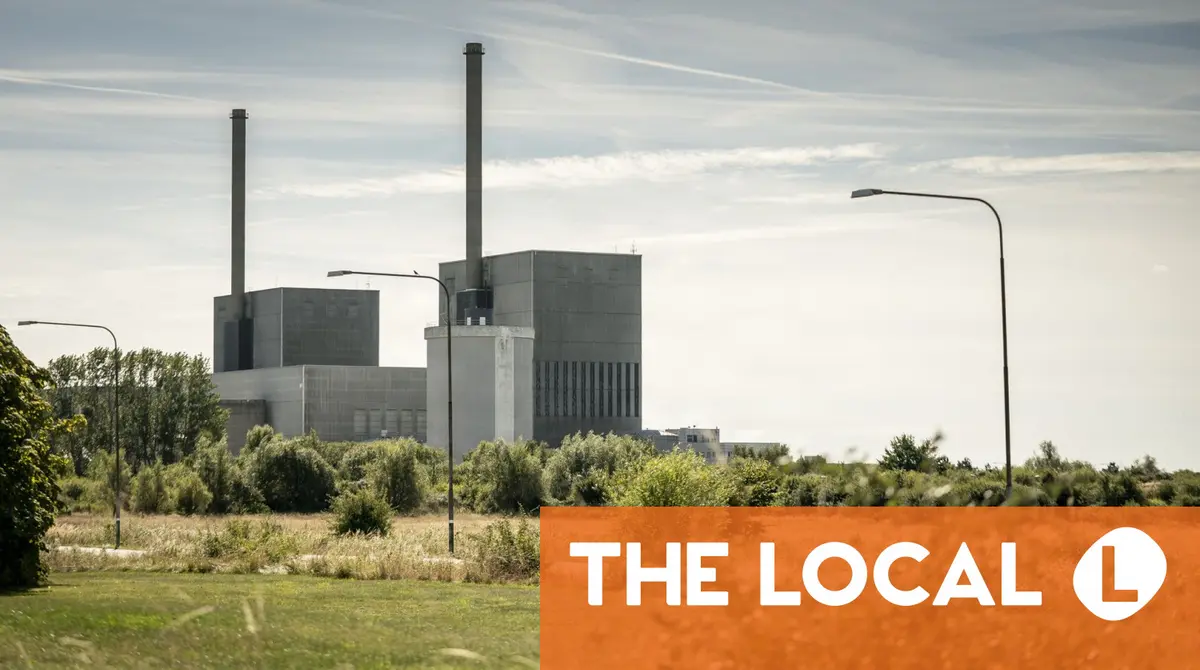
40 percent of Danes are concerned about the new Swedish nuclear power station at Barsebäck
The possibility of Sweden opening a new nuclear power plant at Barsebäck, 23 kilometers from Copenhagen, is a cause of concern for 39.5 percent of Danes according to a new study by Voxmeter.
That includes respondents who ‘agree’ or ‘strongly agree’ with the statement that they are concerned that Sweden is building a nuclear power plant so close to Denmark.
Just over a fifth, 22.4 percent, of people answering the survey said they neither agreed or disagreed with the statement, 33.7 percent disagreed or disagreed strongly, and 4.5 percent were undecided.
Power company Nordic Baseload Power has applied for support from the Swedish government to build a reactor at Barsebäck, with their application currently being processed by the country’s finance ministry.
This is not the first time Danes have had issues with Swedish nuclear power at Barsebäck. There were previously two reactors on the site, which came into use in 1975 and 1977. This was heavily debated in Danish media, and protesters during the 70s and 80s often called for the reactors to be closed. They were eventually closed in 1999 and 2005.
According to Swedish newswire TT, the planned reactor still needs to be approved by the EU.
Danish vocabulary: What needs to go? Barsebäck! ‒ What needs to go? Barsebäck! (a popular chant during anti-nuclear protests in the 70s and 80s)
With reporting from Ritzau