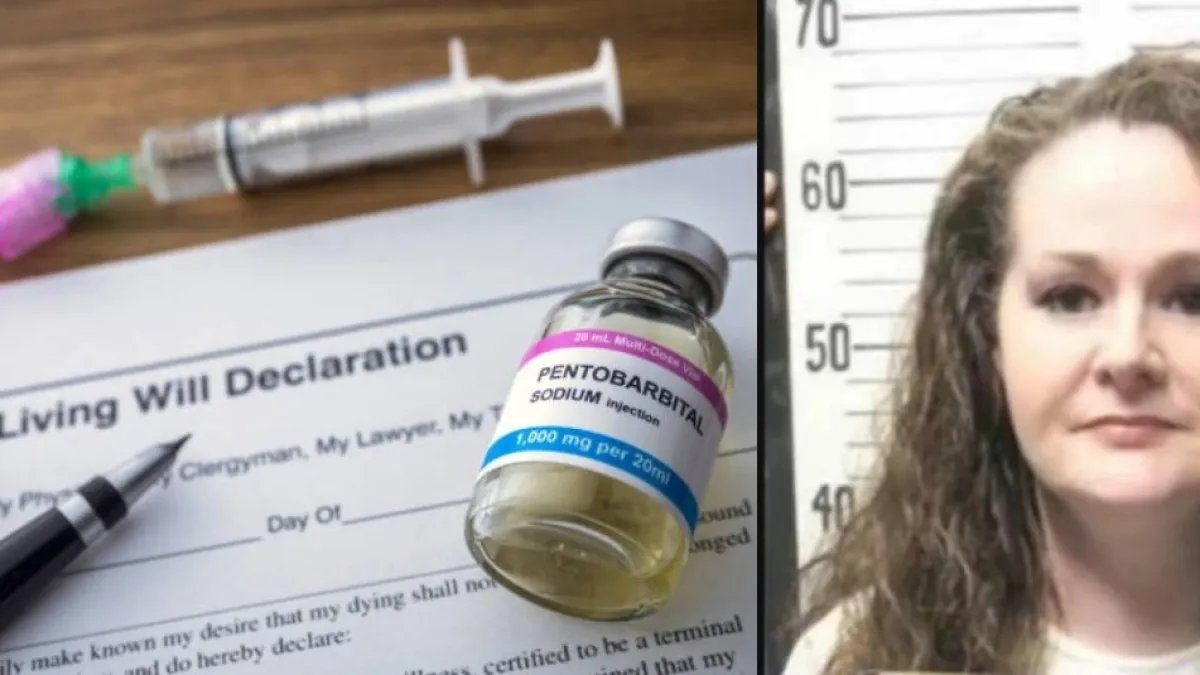
Christa Pike, the woman sentenced to death in Tennessee, United Statesremains hospitalized after the attempt to apply capital punishment by lethal injection did not end in her death. The 50-year-old inmate received two doses of pentobarbital during the procedure at the Riverbend Maximum Security Institution in Nashville on the night of September 30, but survived.
READ ALSO

The possible scope and medical consequences of what the woman experienced was explained by the Dr. Joel Zivot, a professor at Emory University School of Medicine and an expert hired by Pike’s attorneys.
In statements to the BBC, The doctor maintained that the woman probably did not reach a sufficient concentration of pentobarbital in her blood to cause stopping breathing. and the cardiovascular failure expected during an execution by lethal injection. However, he noted that the delay in aftercare could have led to another consequence.
Christa Pike Photo:Christa Pike
“It is very possible that, as a consequence of the delay in starting resuscitation, suffer a brain injury”Zivot said to the BBC. The specialist thus raised one of the main concerns about the Pike status after procedurealthough until now it has not been publicly reported that there is a definitive diagnosis of brain damage. His lawyers indicated in the last few hours that he remains under medical care to save his life.
Attorney Randy Spivey confirmed the woman’s status in a virtual press conference on October 1. “What they have told us is that he is in critical condition and that he is receiving medical attention to save his life,” he stated, according to the report provided on the case. The defense also filed an emergency motion while the proceedings were underway, after Pike lost consciousness but continued to show vital signs.
What happened during the injection of the doses?
Christa Pike, sentenced to death in Tennessee. Photo:EFE / AFP / ELTIEMPO
The judicial documentation known to the BBC and New York Times points out that prison staff administered the two doses of pentobarbital and that, later, the defense asked to stop the process so that Pike could receive medical attention.
The scene observed by media witnesses also allowed us to know what happened during the procedure. Kim Chandler, journalist Associated Presshe said in a press conference that Pike looked at the correctional officers and spoke with them. At another point, according to Chandler, he opened his mouth and began snoring.
“A couple of times he looked into the room. At one point, he asked the prison staff if he was supposed to feel that way,” Chandler said in statements reported by CBS News. The journalist added that Pike He remained with signs of life when the media representatives were removed from the scene.
Catherine Sweeney of the station WPLNalso described what witnesses heard during the procedure. “We just listened to (…) his snoring and his breathing very loudly for almost an hour,” he said.
READ ALSO
Chandler, for his part, assured C.B.S. that Pike was “clearly very much alive” when journalists were led out of the area where the execution was taking place.
Another witness, WVLT reporter Will Puckett, reported that after the curtain of the execution chamber was closed again, movements were heard within the area. “You could hear doors opening and closing. His lawyers came and went. His spiritual advisor also came and went from that moment on,” he said. The journalists were subsequently ordered to leave the scene.
The state protocol contemplates a second dose of pentobarbital if the person does not die after the first, according to information published by Associated Press. However, that procedure does not establish what should happen if the person is still alive after the second administration of the drug.
Christa Pike. Photo:Social networks.
Tennessee Department of Corrections spokeswoman Dorinda Carter told the newspaper Tennessee that they had “followed every step of the legal, state-established enforcement protocol approved by the Attorney General’s Office.”
The official added: “The chemical used in the lethal injection has, according to the protocol, been consistently shown to be effective, and the protocol does not contemplate additional procedures beyond those performed tonight. Christa Pike has been transferred to an outside medical facility.”
Because Christa Pike survived lethal injections?
Christa Pike, sentenced to death in Tennessee, United States Photo:Social networks
The experts consulted by The New York Times They raised a possible medical explanation for why the two doses did not produce the expected result. One of theThe hypothesis is that the pentobarbital had not reached the bloodstream correctly and had leaked into the tissue surrounding the point where the intravenous line was introduced. This phenomenon is known as “intravenous infiltration.”
According to the American newspaper report, an infiltration of this type could prevent the concentration of the drug in the blood from reaching the level necessary to stop breathing.
Likewise, they pointed out that an insufficient amount of the drug in the circulatory system It does not mean that the body cannot suffer consequences, since the medical experts consulted indicated that Prolonged exposure to a non-lethal dose could decrease oxygen levels or affect circulation and pose a risk of permanent brain damage.
The witnesses also said that Pike reportedly described a burning sensation in his arm. His lawyers later pointed out other possible problems related to the procedure.
READ ALSO
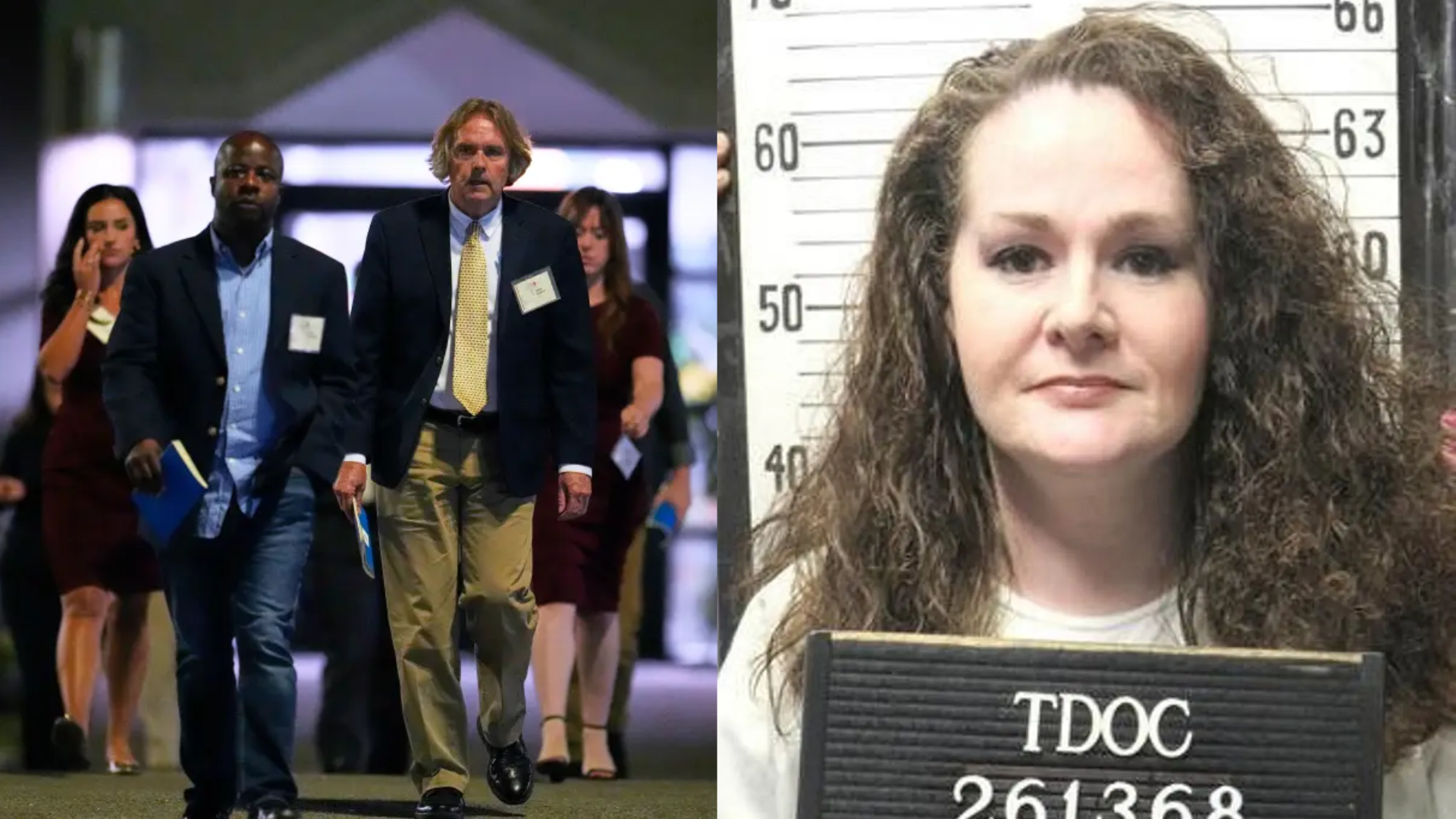
“Tonight, the state of Tennessee again failed in its attempt to carry out a legal execution,” declared Pike’s legal team, according to the Tennessee. The lawyers added: “We are not pleased to be right, but the concerns raised by Ms Pike turned out to be true: d“difficulty accessing veins, burst veins, degraded pentobarbital, lack of emergency medical care available when things inevitably go wrong, all under a protocol that remains shrouded in secrecy.”
Tennessee Governor Bill Lee ordered an independent investigation to determine what happened during the procedure and He suspended the executions that were scheduled for the remainder of the year. In a statement, he noted that “enforcing a legally imposed sentence is one of the most serious responsibilities of the State.”
Pike had been sentenced to death for the murder of 19-year-old Colleen Slemmer in 1995. She was 18 at the time.
The US Supreme Court finally allowed the execution to take place after rejecting last-minute appeals by his lawyers. The decision allowed the procedure to move forward in Tennessee, where Pike would have been the first woman executed in more than 200 years.
LAURA NATHALIA QUINTERO.
LATEST NEWS EDITORIAL.