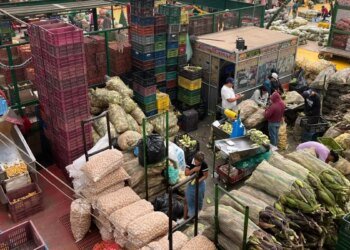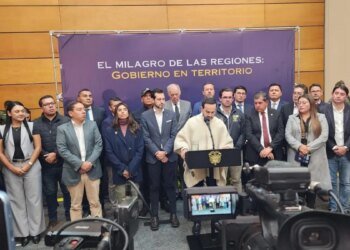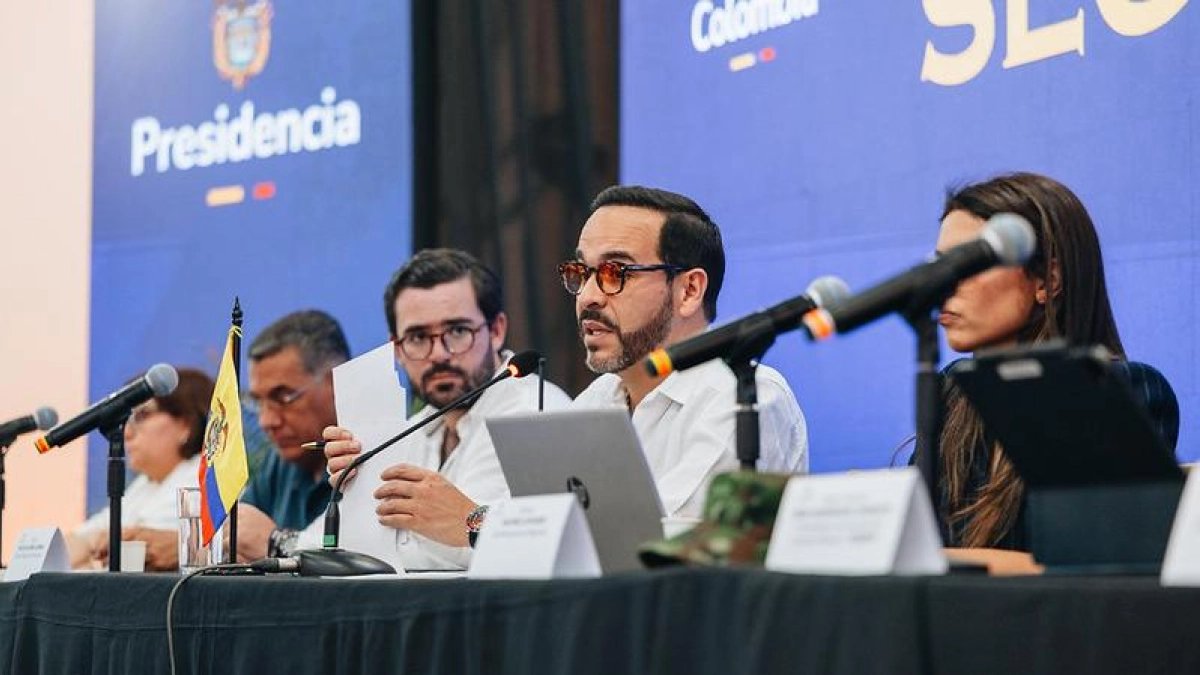
The announcement by President Abelardo De La Espriella that the VAT on the family basket or agricultural products will not be included in the fiscal adjustment law calmed spirits and regained the harmony of the government bench with the proposal. Although the communities recognized that it was necessary to seek resources in the face of the fiscal crisis facing the country, at the same time they indicated that they were not going to support any tax on food for Colombians.
READ ALSO
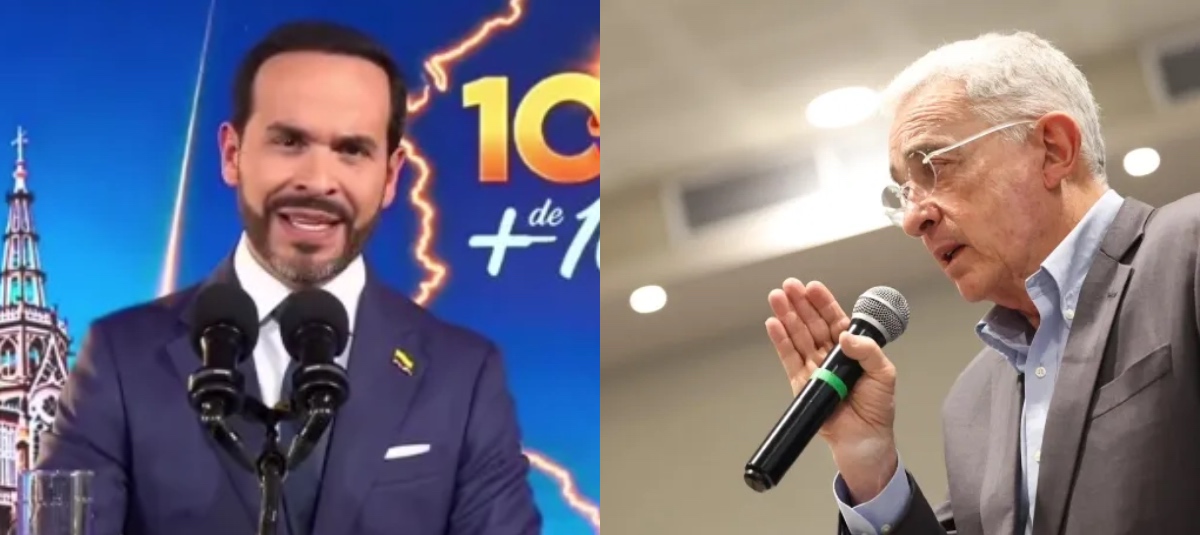
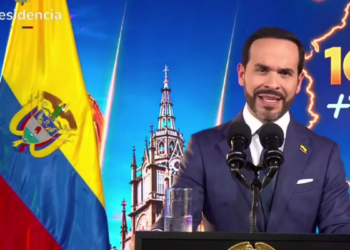
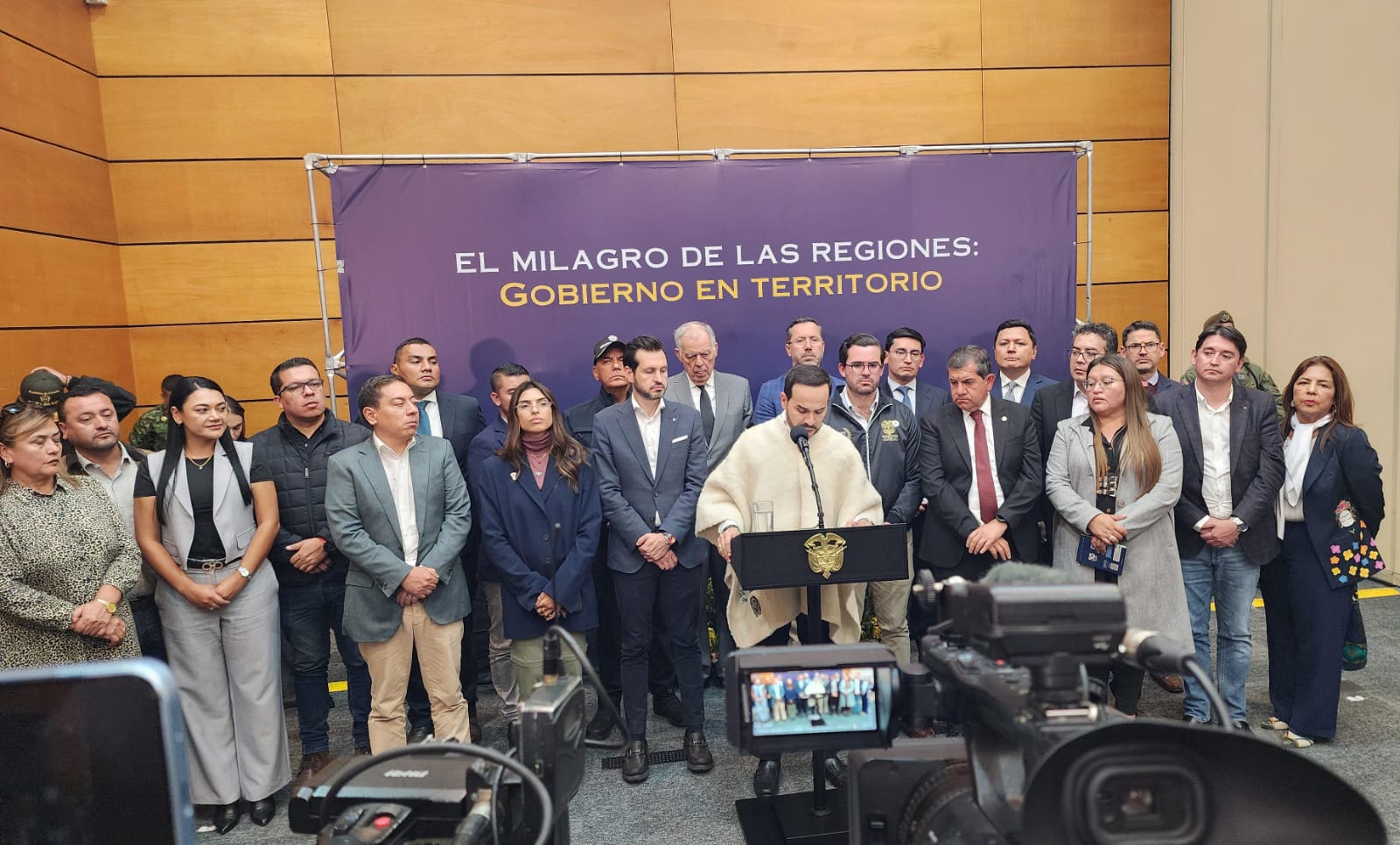
“I don’t want Colombians’ food to pay VAT,” said the president during this Sunday’s speech, in which he announced adjustments to his tax reform and fiscal adjustment text, and assured that he is willing to negotiate its content with the parties and the different sectors.
The message about the basket was accompanied by another advertisement that may have a broader reach on consumers’ pockets, although it is still being evaluated. “The Ministry of Finance is studying the possibility of reducing the general VAT rate from 19 to 18 or even 17 percent. I hope to soon be able to give good news to the country in that regard,” he said.
The presidential announcements changed the atmosphere regarding the fiscal adjustment reform. One of the first to react was former President Álvaro Uribe, whose party was one of those that moved strongly to stop the imposition of taxes on Colombians’ basic foods. “Good announcement from President De La Espriella that there will be no VAT on the Family Basket. Reason for peace of mind,” said the former president.
This was accompanied by Senator Carlos Meisel, who is part of the economic commissions: “I think it is very important that consumption is not affected. More than anything for two things: If we want the economy to grow we cannot make popular products more expensive and the inflationary problem that the country has is real and limits lowering interest rates.”
READ ALSO
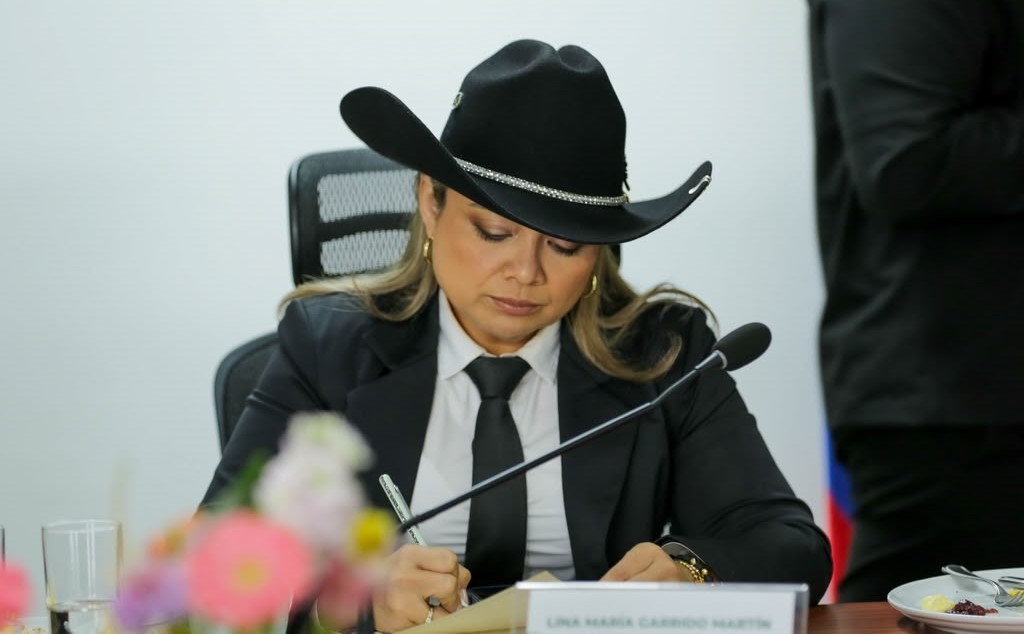
The determination announced by President De La Espriella this Sunday can be assumed as a great victory for the Uribista community, which was the one that led the bid to avoid the inclusion of VAT on more staple foods for Colombians. From the first moment they indicated that they would not support this chapter of the fiscal adjustment reform and instead insisted on alternative theses.
This Saturday there was even a meeting between Vice President José Manuel Restrepo, former President Uribe and several congressmen from the Democratic Center. There they presented an alternative proposal for a fiscal adjustment law. After the meeting, in which the Minister of the Interior, Alejandro Ordóñez, also participated, there was a moment of tranquility of the Uribismo that was evident in the speech on Sunday night.
“We left grateful for having had this meeting and with positive expectations. We see the national government on the path of seeking compensation so that this reform does not burden the social sectors of Colombia,” said Uribe at the end of the meeting.
READ ALSO

And the thing is that the Executive had already been studying for a few days the possibility of eliminating the chapter on the increase in VAT on some foods. After some of the meetings with the government benches, they had already realized that this point had no chance of moving forward.
It was not only Uribism that opposed that point. The Conservative Party (see interview) was another of the groups that had said from early on that it would not support the point of higher taxes for the middle class.
“The Conservative Party does not like to tax the family basket, agricultural inputs and prepaid medicine,” said former senator and president of the community Efraín Cepeda, who added: “Here we are clear that we are going to support President Abelardo De La Espriella in the need to obtain resources and in the effort that the National Government is making. They left public finances destroyed, with financial bleeding and corruption. We are helping to put out the fire of the disaster. of the previous government, that is why we are not going to present a counter-reform, but rather proposals within the same bill.
READ ALSO
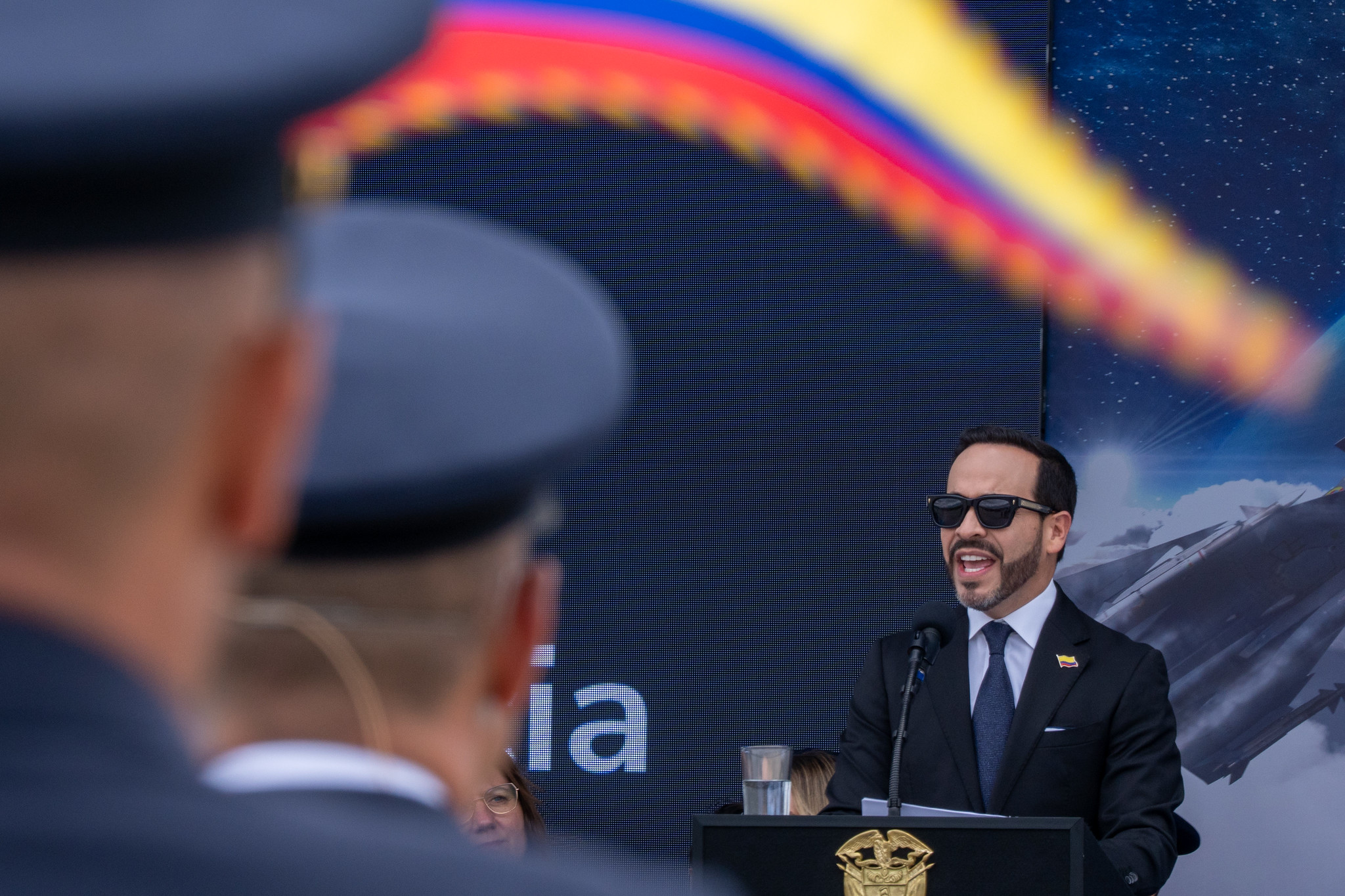
Precisely this community was another of those that celebrated the decision announced this Sunday. “From the Conservative Party we celebrate that the National Government has accepted the position of not including VAT on the family basket or agricultural inputs in the fiscal rescue project,” said the blue party, which added: ““The economic crisis that the country is experiencing cannot be transferred to the pockets of Colombians or put the countryside at risk.”
The Liberal Party was another of the parties that departed from the original proposal and said at the time that it would not support the issue of VAT on basic foods and agricultural inputs. Therefore, with this Sunday’s announcement, we can speak of a bench that is in tune with the De La Espriella government.
Although it is true that it remains to be seen what the government’s new proposal is, at least initially, there is a new atmosphere regarding the project and the majorities are there to carry out an important part of the initiative, which is the cuts in the State. Not only would it have almost the entire bulk of the government bench, whose votes are sufficient, but some independent sectors also highlighted the presidential announcement.
READ ALSO
“I recognize when it is corrected: the removal of the manager of the Miracle Fund and the director of Coljuegos, as well as the elimination of VAT on food in the Fiscal Rescue law, are actions that demonstrate the ability to listen,” said representative Catherine Juviano, of the Green Alliance.
In this way, the only ones who still remain on the opposite side of the project are the congressmen of the Historical Pact, which they still continue to maintain. Several pointed out that the change in the project only seeks to enable the sale of the Nation’s assets such as ISA.
“They are thinking of handing over one of the most important strategic companies in Colombia to raise money and plug the “fiscal gap”. But ISA is not just any company: it owns 77% of the country’s high-voltage transmission network, more than 14,000 kilometers of lines in 22 departments, and 99.7% of XM, the operator of the Colombian electrical system. Selling ISA is putting at risk the control of a fundamental infrastructure for our energy sovereignty,” said Senator Kevin Gómez, of the Historical Pact.
De La Espriella’s announcement Photo:
JUAN SEBASTIÁN LOMBO DELGADO
Political writing