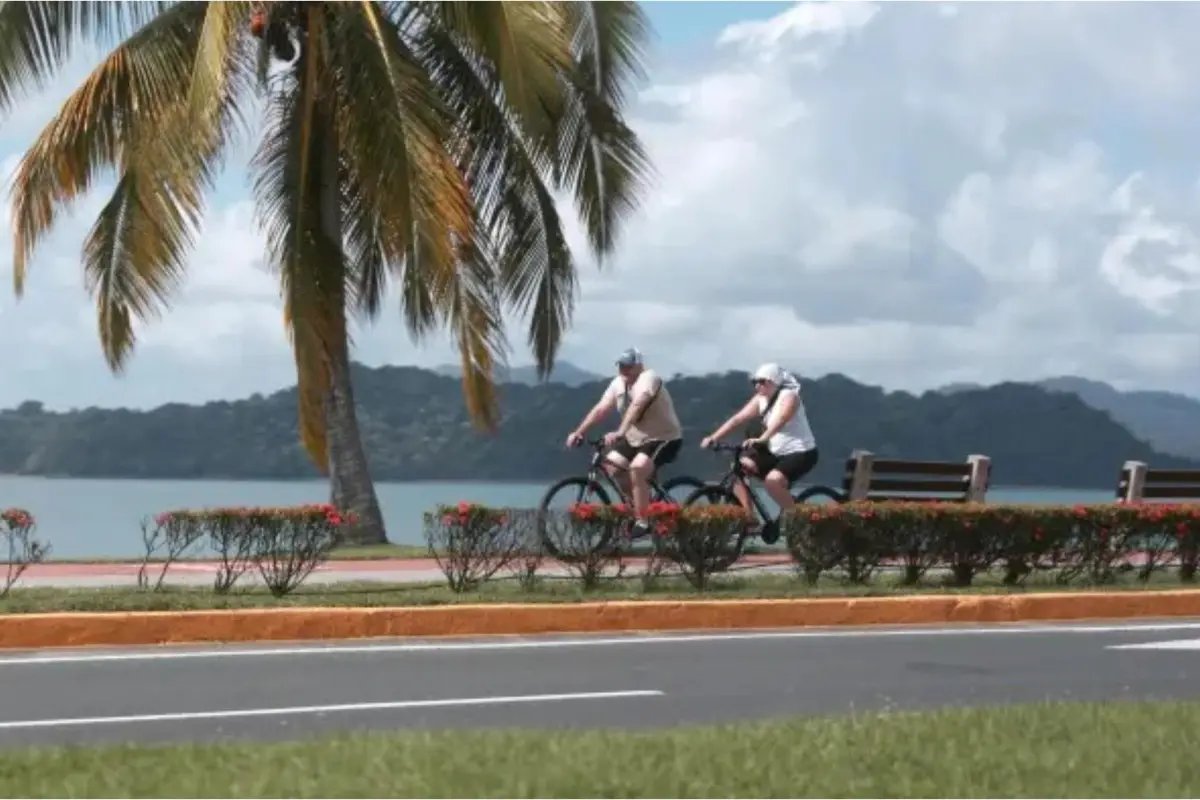
The Amador Causeway returns to the center of the debate. The Administrative Unit of Reverted Goods (UABR) reiterated that informal street commerce is strictly prohibited in this tourist area, one of the most visited in the country, and warned about practices that not only violate the norm, but also directly affect established businesses.
According to the entity, the sale of food, drinks or other products in unauthorized spaces constitutes an illegal activity that generates unfair competition.
The formal businesses that operate in Amador comply with the payment of rent to the State, maintain up-to-date health and safety permits, and also generate employment, conditions that are not replicated in informal commerce.
The UABR clarified that there is only one exception within the regulation: small craft peddling, allowed exclusively for Panamanian citizens and under specific conditions.
However, any other commercial activity outside that framework continues to be considered irregular.
The call for attention arises amid the identification of multiple cases of informal vendors operating not only in the Amador Causeway, but also in other parts of Panama City, which shows an expansion of these practices.
Added to this is an alert that worries the authorities: people outside the institution would be collecting money from informal merchants under the promise of supposed arrangements or permits.
The UABR was emphatic in warning that these offers do not have any official support and are part of deceptive schemes that aggravate the situation.
The entity’s message is clear: these activities must cease. Beyond non-compliance with the rules, the problem impacts the commercial balance in a key area for tourism and the local economy.
With this pronouncement, the UABR not only reinforces the current prohibition, but also suggests a possible tightening of supervision, in an attempt to organize public space and protect those who operate within the law.