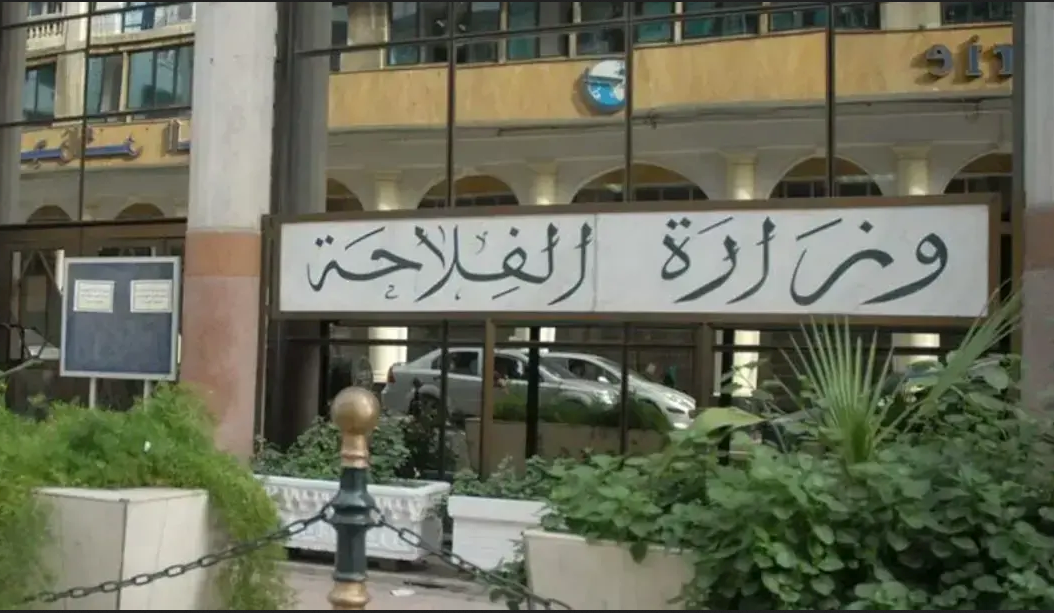
The Ministry of Agriculture, in coordination with Foreign Trade, requests estimated programs for 2027:
Bank localization and commercial register are among the information required from customers
Adjusting requirements in advance to determine imported quantities and improve supply planning
The Ministry of Agriculture, Rural Development and Fisheries has determined the procedures for preparing estimated programs for importing agricultural irrigation equipment for the year 2027, calling on concerned economic operators to send their import programs as soon as possible, in a step that falls within the preparations related to setting import targets for the coming year, and determining the declared needs for supplies and equipment directed to agricultural activity.
According to a correspondence issued by the General Directorate of Agricultural Production, seen by Al-Shorouk, the Ministry asked economic operators to send their estimated import programs “BPE 2027” in electronic format “Excel”, according to the form specified in the correspondence, within the framework of coordination and consultation between the Ministry of Agriculture, Rural Development and Fisheries and the Ministry of Foreign Trade and Export Promotion, regarding setting import targets and preparing for the estimated programs for the coming year.
The correspondence explained that the required files must include a set of data related to the products to be imported, such as the product designation, the ten-digit customs code, the commercial registry number, the status of the inventory, the quantities required, and the prices in dollars, in addition to bank localization and notes, allowing the provision of detailed data about the nature of the equipment that the dealers intend to import, and the quantities they expect to need during the year 2027.
In the same context, the Ministry stressed that the estimated programs should include the necessary information that allows the stated needs to be accurately determined, especially with regard to the status of inventory and the quantities required to be imported, in addition to the commercial and customs data for each product, which would facilitate the process of collecting data and studying requests, and provide a clearer vision regarding the size of the needs expressed by economic operators active in the field of agricultural irrigation equipment.
The Ministry stressed, in the same correspondence, that locally manufactured materials and products that respond to the needs of the national market are not concerned with import application programs, stressing that they will not be taken into consideration within these programs, which means that dealers are required to take this directive into account when preparing lists of the products they intend to import, while specifying the required equipment accurately, in line with the declared needs and the nature of the products available in the national market.
This procedure comes within the framework of advance preparation for import programs for the year 2027, by collecting data related to the needs of economic customers in the field of irrigation equipment, allowing for a clearer picture of the required products, the proposed quantities, and the value of expected imports. This organization also allows the concerned departments to view the data provided by the importers, and follow up on the nature of the announced requests according to a unified form that includes various necessary information related to each product.
This step is of particular importance in view of the role that irrigation equipment plays in developing agricultural activity and improving the exploitation of water resources, especially in light of the challenges associated with climate change, fluctuations in rainfall, and the increasing need to improve control of irrigation operations, as providing appropriate equipment for irrigation has become one of the elements that farmers rely on in managing their investments, maintaining production stability, and expanding irrigated areas according to available capabilities and agricultural needs.
Also, setting estimated import programs in advance would help determine the needs for various types of irrigation equipment according to what economic dealers declare, while providing a database that includes the required quantities, available stocks, and estimated prices. This organization allows for the formation of a clearer picture of the market situation and expected demand during the coming year, as well as improving coordination between dealers and the administrative departments charged with following up on import programs, without this meaning automatically approving all submitted requests or approving all authorized quantities.
The importance of advance planning is also evident in the connection of irrigation equipment with programs to develop agricultural production and improve the productivity of agricultural lands, as the availability of the necessary equipment helps control irrigation operations, rationalize water use, and reduce losses resulting from mismanagement of water resources. Knowing the declared needs in advance provides a better vision of the nature of the equipment required by agricultural activity, and helps determine the expected demand for the various products intended for irrigation, in a way that serves supply planning during the coming year.
Requiring customers to provide detailed data on inventory, required quantities, prices, and customs codes would enhance the clarity of the filed programs and reduce the lack of information that may hinder the study of the files or affect the accuracy of the data provided. The more complete the data related to the products is, the more relevant the departments can form a clearer perception of the declared needs and follow up on estimated programs according to the information provided by the dealers, taking into account the applicable regulatory procedures.