Sunday, June 14, 2026
    The GeoStrategic Consensus
    No Result
    View All Result
    • Login
    • HOME
    • AMERICAS
      • Argentina
      • Brazil
      • Canada
      • Chile
      • Colombia
      • Costa Rica
      • Cuba
      • Dominican Republic
      • Ecuador
      • El Salvador
      • Greenland
      • Guatemala
      • Honduras
      • Mexico
      • Nicaragua
      • Panama
      • Paraguay
      • Peru
      • United States
      • Uruguay
      • Venezuela
    • ASIA-PACIFIC
      • Australia
      • Brunei Darussalam
      • Cambodia
      • China
      • Federated States of Micronesia
      • Fiji
      • Indonesia
      • Japan
      • Kiribati
      • Laos
      • Malaysia
      • Marshall Islands
      • Mongolia
      • Myanmar
      • Nauru
      • New Zealand
      • North Korea
      • Palau
      • Papua New Guinea
      • Philippines
      • Samoa
      • Singapore
      • Solomon Islands
      • South Korea
      • Taiwan
      • Thailand
      • Timor-Leste
      • Tonga
      • Tuvalu
      • Vanuatu
      • Vietnam
    • CARICOM
      • CARICOM – Non-English
        • Haiti
        • Suriname
      • CARICOM Associates
        • Anguilla
        • Bermuda
        • British-Virgin-Islands
        • Cayman-Islands
        • Curacao
        • Turks-and-Caicos
      • CARICOM English
        • Antigua and Barbuda
        • Barbados
        • Belize
        • Dominica
        • Grenada
        • Guyana
        • Jamaica
        • Montserrat
        • Saint Kitts and Nevis
        • Saint Lucia
        • Saint Vincent and the Grenadines
        • The Bahamas
        • Trinidad and Tobago
    • EURASIA
      • Armenia
      • Azerbaijan
      • Balarus
      • Georgia
      • Kazakhstan
      • Kyrgyzstan
      • Moldova
      • Russia
      • Tajikistan
      • Turkmenistan
      • Ukraine
      • Uzbekistan
    • EUROPE
      • Albania
      • Andorra
      • Austria
      • Bosnia and Herzegovina
      • Bulgaria
      • Croatia
      • Cyprus
      • Czech Republic
      • Denmark
      • Estonia
      • Finland
      • France
      • Germany
      • Greece
      • Holy See
      • Hungary
      • Iceland
      • Ireland
      • Italy
      • Kosovo
      • Latvia
      • Liechtenstein
      • Lithuania
      • Luxembourg
      • Malta
      • Monaco
      • Montenegro
      • Netherlands
      • North Macedonia
      • Norway
      • Poland
      • Portugal
      • Romania
      • San Marino
      • Serbia
      • Slovakia
      • Slovenia
      • Spain
      • Sweden
      • Switzerland
      • United Kingdom
    • MIDDLE EAST AND NORTH AFRICA
      • Algeria
      • Bahrain
      • Egypt
      • Iran
      • Iraq
      • Israel
      • Jordan
      • Kuwait
      • Lebanon
      • Lybia
      • Morocco
      • Oman
      • Palestinian Territories
      • Qatar
      • Saudi Arabia
      • Syria
      • Tunisia
      • Turkey
      • United Arab Emirates
      • Western Sahara
      • Yemen
    • SOUTH ASIA
      • Afghanistan
      • Bangladesh
      • Bhutan
      • India
      • Maldives
      • Nepal
      • Pakistan
      • Sri Lanka
    • SUB-SAHARAN AFRICA
      • Angola
      • Benin
      • Botswana
      • Burkina Faso
      • Burundi
      • Cabo Verde
      • Cameroon
      • Central African Republic
      • Chad
      • Comoros
      • Cote d’Ivoire
      • Democratic Republic of the Congo
      • Djibouti
      • Equatorial Guinea
      • Eritrea
      • Eswatini
      • Ethiopia
      • Gabon
      • Gambia
      • Ghana
      • Guinea
      • Guinea Bissau
      • Kenya
      • Lesotho
      • Liberia
      • Madagascar
      • Malawi
      • Mali
      • Mauritania
      • Mauritius
      • Mozambique
      • Namibia
      • Niger
      • Nigeria
      • Republic of the Congo
      • Rwanda
      • Sao Tome and Principe
      • Senegal
      • Seychelles
      • Sierra Leone
      • Somalia
      • South Africa
      • South Sudan
      • Sudan
      • Tanzania
      • Togo
      • Uganda
      • Zambia
      • Zimbabwe
    • HOME
    • AMERICAS
      • Argentina
      • Brazil
      • Canada
      • Chile
      • Colombia
      • Costa Rica
      • Cuba
      • Dominican Republic
      • Ecuador
      • El Salvador
      • Greenland
      • Guatemala
      • Honduras
      • Mexico
      • Nicaragua
      • Panama
      • Paraguay
      • Peru
      • United States
      • Uruguay
      • Venezuela
    • ASIA-PACIFIC
      • Australia
      • Brunei Darussalam
      • Cambodia
      • China
      • Federated States of Micronesia
      • Fiji
      • Indonesia
      • Japan
      • Kiribati
      • Laos
      • Malaysia
      • Marshall Islands
      • Mongolia
      • Myanmar
      • Nauru
      • New Zealand
      • North Korea
      • Palau
      • Papua New Guinea
      • Philippines
      • Samoa
      • Singapore
      • Solomon Islands
      • South Korea
      • Taiwan
      • Thailand
      • Timor-Leste
      • Tonga
      • Tuvalu
      • Vanuatu
      • Vietnam
    • CARICOM
      • CARICOM – Non-English
        • Haiti
        • Suriname
      • CARICOM Associates
        • Anguilla
        • Bermuda
        • British-Virgin-Islands
        • Cayman-Islands
        • Curacao
        • Turks-and-Caicos
      • CARICOM English
        • Antigua and Barbuda
        • Barbados
        • Belize
        • Dominica
        • Grenada
        • Guyana
        • Jamaica
        • Montserrat
        • Saint Kitts and Nevis
        • Saint Lucia
        • Saint Vincent and the Grenadines
        • The Bahamas
        • Trinidad and Tobago
    • EURASIA
      • Armenia
      • Azerbaijan
      • Balarus
      • Georgia
      • Kazakhstan
      • Kyrgyzstan
      • Moldova
      • Russia
      • Tajikistan
      • Turkmenistan
      • Ukraine
      • Uzbekistan
    • EUROPE
      • Albania
      • Andorra
      • Austria
      • Bosnia and Herzegovina
      • Bulgaria
      • Croatia
      • Cyprus
      • Czech Republic
      • Denmark
      • Estonia
      • Finland
      • France
      • Germany
      • Greece
      • Holy See
      • Hungary
      • Iceland
      • Ireland
      • Italy
      • Kosovo
      • Latvia
      • Liechtenstein
      • Lithuania
      • Luxembourg
      • Malta
      • Monaco
      • Montenegro
      • Netherlands
      • North Macedonia
      • Norway
      • Poland
      • Portugal
      • Romania
      • San Marino
      • Serbia
      • Slovakia
      • Slovenia
      • Spain
      • Sweden
      • Switzerland
      • United Kingdom
    • MIDDLE EAST AND NORTH AFRICA
      • Algeria
      • Bahrain
      • Egypt
      • Iran
      • Iraq
      • Israel
      • Jordan
      • Kuwait
      • Lebanon
      • Lybia
      • Morocco
      • Oman
      • Palestinian Territories
      • Qatar
      • Saudi Arabia
      • Syria
      • Tunisia
      • Turkey
      • United Arab Emirates
      • Western Sahara
      • Yemen
    • SOUTH ASIA
      • Afghanistan
      • Bangladesh
      • Bhutan
      • India
      • Maldives
      • Nepal
      • Pakistan
      • Sri Lanka
    • SUB-SAHARAN AFRICA
      • Angola
      • Benin
      • Botswana
      • Burkina Faso
      • Burundi
      • Cabo Verde
      • Cameroon
      • Central African Republic
      • Chad
      • Comoros
      • Cote d’Ivoire
      • Democratic Republic of the Congo
      • Djibouti
      • Equatorial Guinea
      • Eritrea
      • Eswatini
      • Ethiopia
      • Gabon
      • Gambia
      • Ghana
      • Guinea
      • Guinea Bissau
      • Kenya
      • Lesotho
      • Liberia
      • Madagascar
      • Malawi
      • Mali
      • Mauritania
      • Mauritius
      • Mozambique
      • Namibia
      • Niger
      • Nigeria
      • Republic of the Congo
      • Rwanda
      • Sao Tome and Principe
      • Senegal
      • Seychelles
      • Sierra Leone
      • Somalia
      • South Africa
      • South Sudan
      • Sudan
      • Tanzania
      • Togo
      • Uganda
      • Zambia
      • Zimbabwe
    No Result
    View All Result
    Agentially
    No Result
    View All Result
    Home EUROPE Holy See

    The words of women – L’Osservatore Romano

    The Analyst by The Analyst
    June 13, 2026
    in Holy See
    The words of women – L’Osservatore Romano


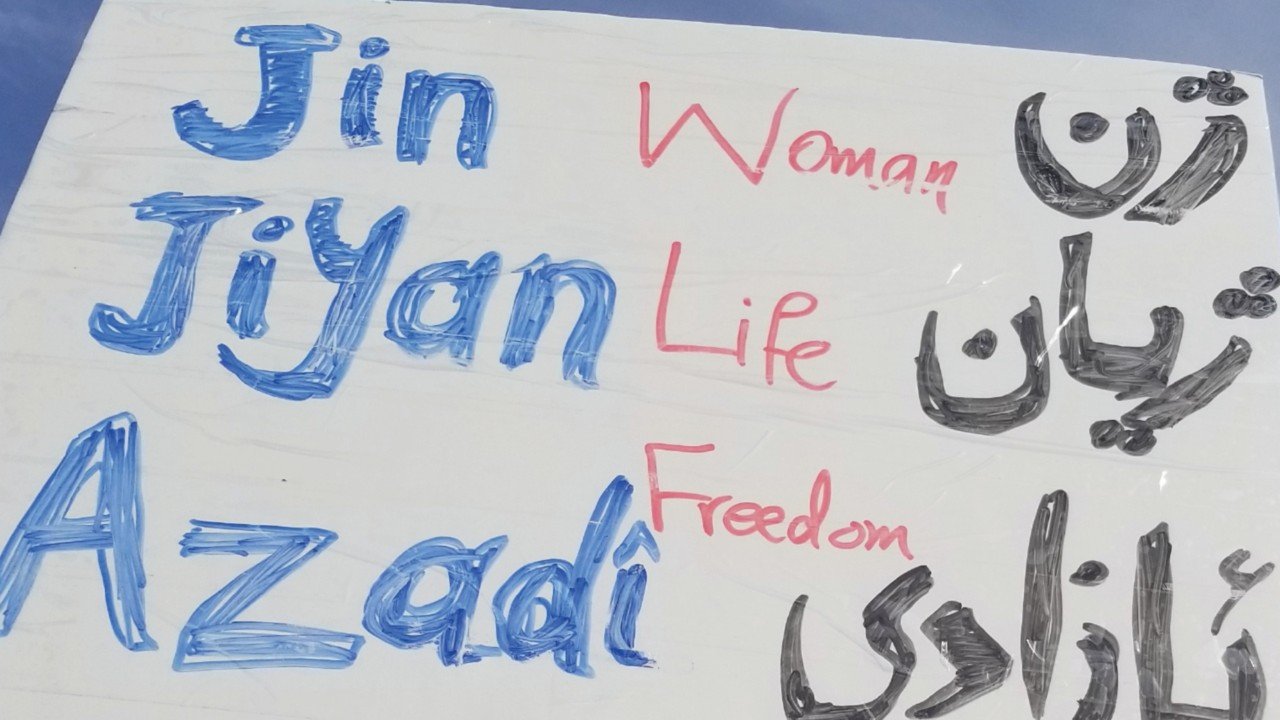
    “Woman, Life, Freedom” is a powerful expression. In Persian: Zan, Zendegi, Azadi. In Kurdish: Jin, Jiyan, Azadi.

    READ ALSO

    Promoting human dignity, discouraging stigmatisation of migrants

    Disarmed not docile – L’Osservatore Romano

    Used for the first time by exponents of Kurdish women’s movements, after the death of the young Iranian Mahsa Amini in 2022 it crossed borders, languages ​​and continents. It appeared on the walls of European cities, in Latin American marches, in American universities, in social networks, becoming a global cry. But reducing it to a political slogan would be a mistake.

    Because it is above all an alternative grammar, a different way of naming the world, and therefore of imagining it. The word “woman” becomes the point from which to rethink power and rights. “Life” no longer means simple survival, but dignity, relationship, fullness. “Freedom” does not coincide with domination or supremacy, but with a shared possibility, intertwined with others and the environment.

    It is a lexicon that contrasts with that which has long dominated public discourse on the planet, associated with a culture of power based on force, control, security, but also on words such as “conquest”, “strategy”, “defence”, “enemy”, “victory”, “imposition”. War, above all. A language that recalls hierarchy, competition, closure. Which organizes reality into clear oppositions: winners and losers, friends and adversaries, inside and outside.

    “Woman, Life, Freedom” instead opens up to a vocabulary of relationships: solidarity, listening, reciprocity, future. It does not eliminate the conflict, but removes it from the logic of annihilation. And it’s so powerful because it doesn’t just speak to women. Talk to everyone. It puts life at the center and, starting from those who have been historically marginalized, redefines the entire human horizon.

    And it poses an inevitable question: can women’s words change the world?

    There is no definitive answer. Building a new vocabulary requires time, cultural transformations, a slow change in consciousness. But something is already happening. Women are changing a lot of words. And changing words means changing what is thinkable, sayable, even possible.

    It is not a question of attributing to the female gender a sort of “natural” language of sweetness or everyday life. It’s not a biological issue. It is a political and cultural question. Words don’t just describe the world: they build it.

    Today a lexical constellation emerges born from the historical experience of women and in open contrast with the dominant paradigm based on hierarchy, control and conflict. This can be perceived by observing contemporary public language, often amplified by social media: aggressive, simplified, polarized.

    “Hard line”, “zero tolerance”, “crush the opponent”, “clean up”, “close the borders”: expressions that have transformed the public debate into a permanent battlefield. Slogans have taken the place of thought, anger that of argument. Words have become weapons.

    Pope Leo XIV invites us to disarm words. Not to weaken language, but to free it from violence and manipulation. Give weight, responsibility and truth back to words. Recognize that every word is an act: it can create relationships or destroy them.

    History shows that violence almost always starts with words. Before hitting someone you degrade them, you dehumanize them.

    It happened during the Holocaust, when Jews were called “parasites.” It happened in the Rwandan genocide, where the Tutsis were called “cockroaches”. It still happens today when migrants are described as “animals” or “invaders”. Language doesn’t just tell reality: it prepares it.

    This is why the words that emerge from women’s movements today have a counter-cultural force. Not because they are kinder, but because they shift the focus of the discussion: from conquest to relationship, from domination to care, from competition to dignity.

    This is demonstrated by many women’s stories that in recent decades have transformed the word into an instrument of liberation.

    When Malala Yousafzai, survivor of a Taliban attack, declared before the UN: “I don’t want revenge against the Taliban, I want education for the sons and daughters of the Taliban”, the world understood that there is a force other than that of revenge. His were not words of hate, but they broke the chain of violence. Her voice has transformed women’s right to education into a global priority.

    Sonita Alizadeh, a young Afghan rapper, also used words to save herself. Destined for a forced marriage, she told the story of the plight of thousands of girls like her through music. His songs are not just denunciation: they are a form of resistance.

    The same strength emerges in the testimony of Nadia Murad, the Yazidi woman awarded the Nobel Peace Prize in 2018. Having survived ISIS captivity, she transformed her personal story into an instrument of international justice. His voice restored dignity to the victims and showed that words can oppose barbarism.

    In Argentina, during the dictatorship, the Mothers of Plaza de Mayo fought the silence by stubbornly pronouncing the names of their children disappeared. In Italy, the founding mothers engraved words such as equality, protection, social rights in the Republican Charter, opening up spaces for citizenship that did not exist before.

    Even indigenous Mapuche women, between Chile and Argentina, today speak of “terricide” to denounce together the destruction of the land and violence against native communities. Leader Moira Millán insists on the need to “decolonize language and land”, because the words of power often serve to justify exploitation and oppression.

    This battle also runs through cinema and literature. In the movie The power of the word by Denzel Washington, student Samantha Booke uses debate and rhetoric to combat racism in 1930s United States. “The moment for equality is not in the future, it is now,” he argues during a speaking challenge against white universities.

    In Women Talking – The right to chooseInstead, a group of women victims of violence decide their future through dialogue. Speaking becomes the first act of freedom. The film, directed by Sarah Polley and based on the novel Women talking by Miriam Toews, is inspired by true events that occurred in 2011 in the colony of Manitoba, Bolivia, where dozens of women suffered systematic violence within a closed religious community. The word, in that context, becomes the only possible space for rebellion and collective conscience.

    But this feminine genealogy of the word resistant comes from afar. In 1851, Sojourner Truth, born a slave, stood up at a women’s rights convention in Ohio and gave the famous speech, “Ain’t I a Woman?” “Am I not a woman?” With that question he challenged both racism and sexism, claiming humanity and dignity.

    And Rosa Parks, a century later, changed history almost without speaking. By sitting silently on a whites-only bus, he transformed a simple “no” into a political gesture capable of sparking the civil rights movement in the United States.

    More recently, Gisèle Pelicot has converted the pain of the abuse suffered by her ex-husband into a public battle against gender violence. During the Avignon trial he chose to expose himself personally, renouncing anonymity and overturning a deep-rooted paradigm: the shame of rape should not fall on the victims, but on those who commit it. Her clarity and courage made her testimony an international symbol in the defense of women’s rights and dignity.

    Women are asking for a language that builds bridges and not walls. Because it is often they, in conflicts, who bear the consequences of war, hunger, migration, the daily destruction of life.

    Marshall Rosenberg, founder of Nonviolent Communication and author of the book Words are windows (or walls)argued that language can open spaces of understanding or build insurmountable barriers.

    Disarming words then also means questioning the terms that dominate our imagination: war, enemy, destruction, terror. Words that normalize violence and cancel the future. Even the term “victim” often risks reducing women to passive subjects, depriving them of their strength.

    Imagining a different reality begins with the way we express it. Changing language is not enough on its own, of course. We need courage, profound transformations, the ability to question stereotypes and power structures. But every cultural change always starts with words.

    The writer Christa Wolf summarized it in a phrase that has become a symbol of pacifist movements: “Between killing and dying there is a third way: living.” And Emily Dickinson, much earlier, had written: «A word is dead when it is said, some say. I say that it begins to live only then.”

    Perhaps this is precisely the heart of “Woman, Life, Freedom”: giving life back to words to restore humanity to the world.

    by Ritanna Armeni and Rita Pinci


    Source link

    Related Posts

    Promoting human dignity, discouraging stigmatisation of migrants
    Holy See

    Promoting human dignity, discouraging stigmatisation of migrants

    June 14, 2026
    Disarmed not docile – L’Osservatore Romano
    Holy See

    Disarmed not docile – L’Osservatore Romano

    June 14, 2026
    Pope Leo in Gran Canaria: ‘Human dignity has no passport’
    Holy See

    Pope Leo in Gran Canaria: ‘Human dignity has no passport’

    June 14, 2026
    The Philippines counts the damage from the Marbel earthquake among the most affected dioceses
    Holy See

    The Philippines counts the damage from the Marbel earthquake among the most affected dioceses

    June 14, 2026
    Pope: Listen to the ‘hidden, beating heart of love’
    Holy See

    Pope: Listen to the ‘hidden, beating heart of love’

    June 14, 2026
    Between balance and experimentation – L’Osservatore Romano
    Holy See

    Between balance and experimentation – L’Osservatore Romano

    June 13, 2026
    Next Post
    US-Iran deal: “The Straits of Hormuz are opening, uranium is being destroyed”

    US-Iran deal: "The Straits of Hormuz are opening, uranium is being destroyed"

    POPULAR NEWS

    Kuwait Airport Radar Targeted Again, Files Third Complaint to ICAO

    Kuwait Airport Radar Targeted Again, Files Third Complaint to ICAO

    June 14, 2026
    Mourners line Bangkok streets to pay respects to Thailand’s Princess Bha | Thailand

    Mourners line Bangkok streets to pay respects to Thailand’s Princess Bha | Thailand

    June 13, 2026
    Trump calls off latest threats to strike Iran, cites breakthrough in talks to end the war

    Trump calls off latest threats to strike Iran, cites breakthrough in talks to end the war

    June 13, 2026
    Resultados ONPE al 98.327%: Keiko Fujimori y Roberto Sánchez disputan voto a voto la Presidencia del Perú

    Resultados ONPE al 98.327%: Keiko Fujimori y Roberto Sánchez disputan voto a voto la Presidencia del Perú

    June 13, 2026
    Japan successfully launches a cheaper version of its H3 space rocket

    Japan successfully launches a cheaper version of its H3 space rocket

    June 14, 2026

    EDITOR'S PICK

    Berane: A car burned down, the prosecutor and the expert conducted an investigation

    Berane: A car burned down, the prosecutor and the expert conducted an investigation

    June 13, 2026
    “In the gray zone”: superficial thriller with Henry Cavill and Jake Gyllenhaal

    “In the gray zone”: superficial thriller with Henry Cavill and Jake Gyllenhaal

    June 14, 2026
    Tallinn erects modular bomb shelter in the heart of the city | News

    Tallinn erects modular bomb shelter in the heart of the city | News

    June 13, 2026
    The staffing of Cedevita Olimpija continues to be in the hands of Chechu Muller

    The staffing of Cedevita Olimpija continues to be in the hands of Chechu Muller

    June 14, 2026

    Recent Posts

    • Japan successfully launches a cheaper version of its H3 space rocket
    • Partner of chef Sandra Díaz breaks the silence after her death: “She felt electricity and collapsed”
    • Bahamian cancer physician makes history with groundbreaking discoveries on global stage | Lifestyles
    • Noise

      © 2026 Agentially - Navigating shifting sovereignties and global risk .

      Welcome Back!

      Login to your account below

      Forgotten Password?

      Retrieve your password

      Please enter your username or email address to reset your password.

      Log In
      No Result
      View All Result

        © 2026 Agentially - Navigating shifting sovereignties and global risk .

        This website uses cookies. By continuing to use this website you are giving consent to cookies being used. Visit our Privacy and Cookie Policy.