The American and Iranian delegations left Islamabad this Sunday morning after marathon negotiations that began the day before, the first direct ones at the highest level for 47 years, without having reached an agreement, although with communication channels open for dialogue regarding a possible peace agreement.
In total, 21 hours of negotiations between direct contact of both parties with the mediator Pakistan, as well as exchange of texts with understandings on several issues, although also divergences on at least two or three points, especially on the nuclear issue and the reopening of the Strait of Hormuz.
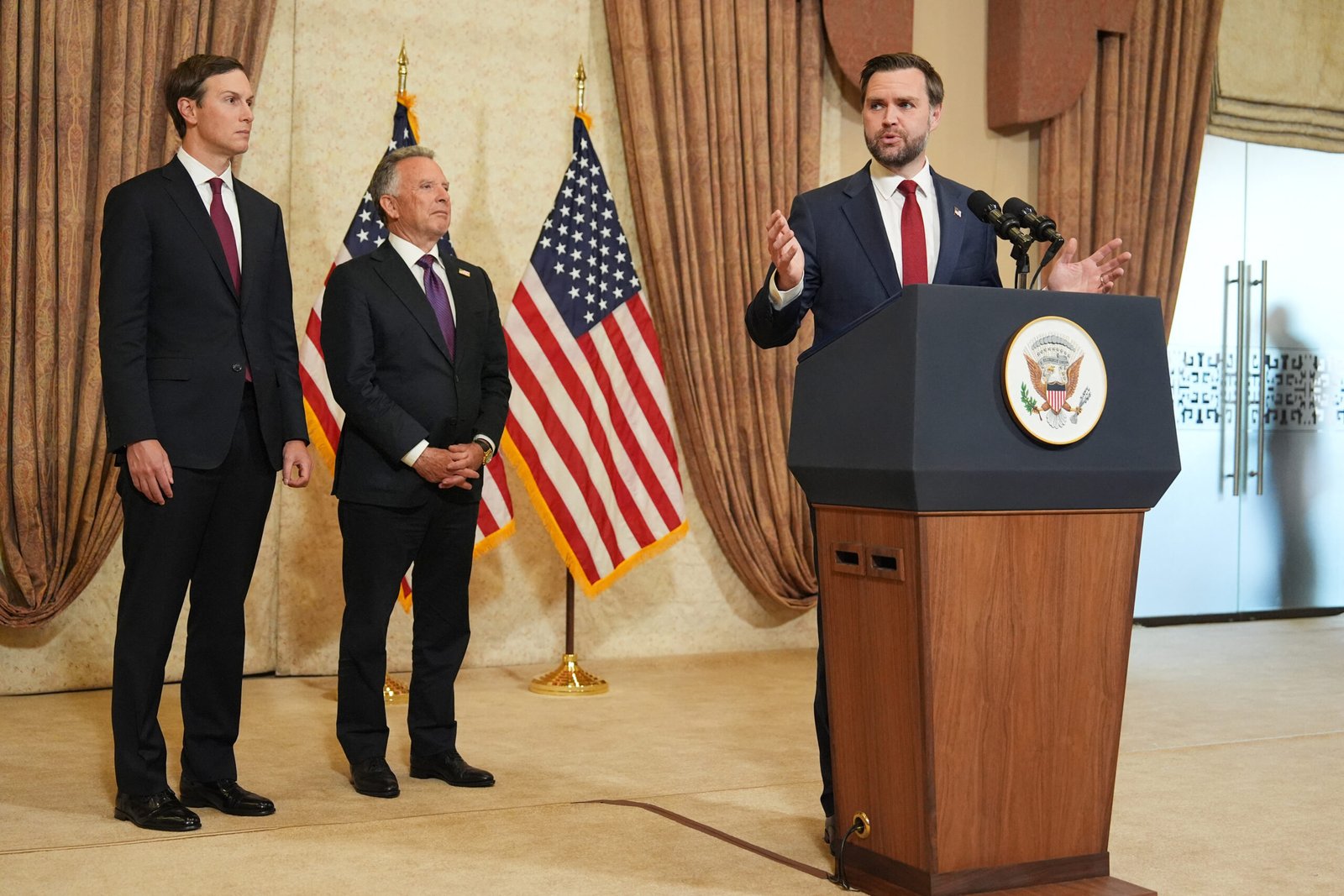
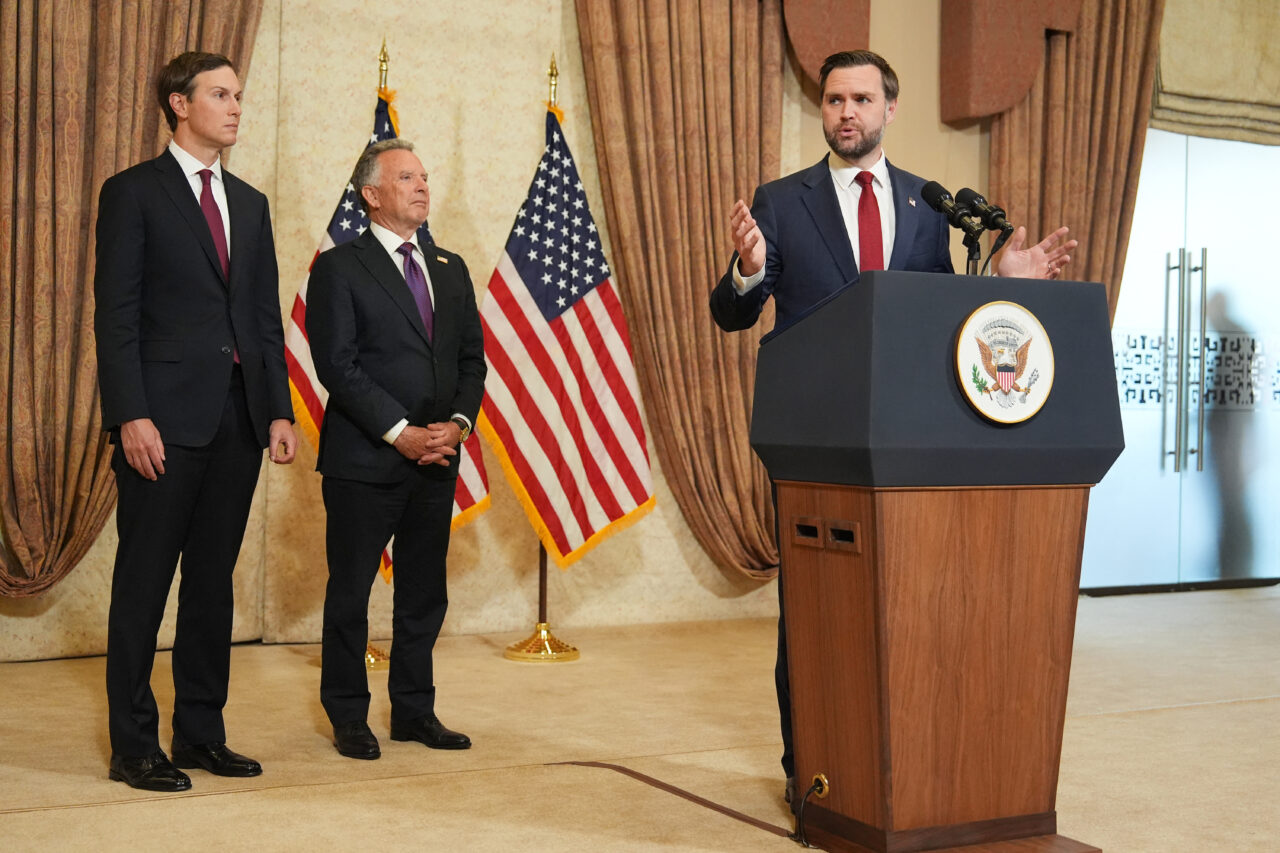
At dawn this Sunday, the vice president of the United States and head of the delegation, JD Vance, made it clear in a media appearance that he is leaving the Pakistani capital with good news, having held “substantial conversations” with Iran.
Although also with bad news, the lack of an agreement to end the war started by Washington and Tel Aviv against Iranian territory on February 28, which was sought in these negotiations as part of the two-week truce that began this week.
A “final” proposal
Vance, who barely allowed questions to be asked in his appearance, indicated that they have made a proposal that he described as “very simple” for Iran: a “method of understanding.”
This is his “best and last offer” waiting for the Iranians to accept it, he said at a press conference in which the other two leaders of the delegation – the special envoy, Steven Witkoff, and Jared Kushner, son-in-law of President Donald Trump – did not speak.
And this has been the tone of the US representatives during the negotiations. What’s more, Vance did not want to go into details of the content of the talks, because he does not want to “negotiate this in public after having negotiated for 21 hours in private.”
Likewise, the main obstacle for Washington in not reaching a consensus has been the nuclear issue.
“The fact is that we need to see a firm commitment that they will not seek a nuclear weapon, nor the tools that would allow them to obtain it quickly,” Vance asserted, as part of those “red lines” that Iran – the politician says – has not accepted.
“Do we see a commitment of will on the part of the Iranians not to develop a nuclear weapon, not just now, not just two years from now, but in the long term? We haven’t seen it yet,” he said.
The central axis of the conflict has been the enrichment of uranium, since Washington demands “zero enrichment” to prevent Iran from developing a nuclear weapon, while Tehran defends its right to maintain a nuclear program for peaceful purposes and demands the lifting of sanctions.
At the beginning of 2026, several rounds of indirect nuclear talks resumed in Oman and Geneva, but on February 28, the United States and Israel began the offensive against Iran that interrupted all signs of progress.
The Strait of Hormuz
Although the United States did not comment on the matter, the Iranian delegation – led by the president of the Iranian Parliament, Mohamad Baqer Qalibaf – did say that the inclusion of this point is one of the discordant notes of the pact.
“Iran is in no hurry, and unless the United States accepts a reasonable agreement, there will be no changes in the situation in the Strait of Hormuz,” an Iranian source informed about the talks told the Iranian agency Mehr today.
One of the conditions in the pact reached this week is the reopening of this sea route, where around a fifth of the world’s maritime oil trade circulated.
Iran has implemented a two-week safe passage protocol in the Strait of Hormuz, making it conditional on direct coordination with its Armed Forces and provided that the other party fulfills its commitments during the truce.
open channels
Mediator Pakistan called on the warring parties to continue to honor their commitment to the two-week ceasefire, Pakistani Foreign Minister Ishaq Dar said in a statement.
Likewise, he noted that his country “will continue to play a fundamental role in facilitating dialogue and interaction between Iran and the United States in the future,” he asserted, implying that negotiations between Washington and Tehran have not collapsed.