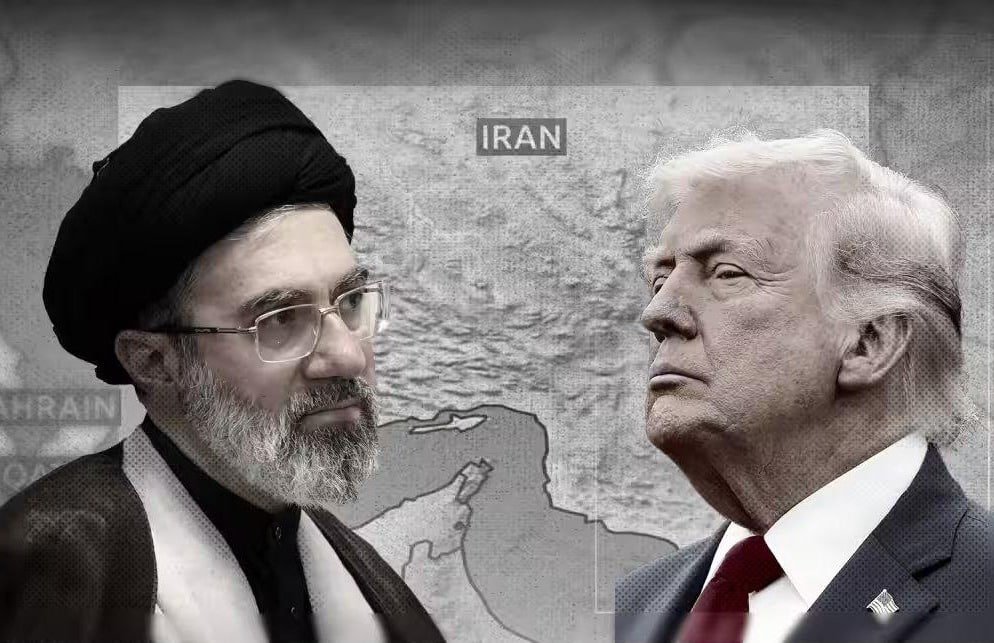
The memorandum will pave the way for more serious negotiations on the future of Iran’s nuclear program, a recovery fund for Tehran and its frozen funds, US sanctions and Hormuz. Nevertheless, several points of disagreement still remain.
For weeks, mediators between Iran and the United States have been trying to hammer out an initial deal that could end the war. These attempts have repeatedly failed as the parties have accused each other of delaying or misinterpreting the terms.
Diplomats involved in the negotiations say that the longer the dispute drags on, the more frustrated both sides will become and the number of firefights could increase. This further jeopardizes broader diplomatic efforts.
Currently, a new draft memorandum is being discussed, which is closer to getting the approval of both sides. But their statements differ on some of the terms, and President Donald Trump has yet to confirm them.
The memorandum is an initial framework that paves the way for more serious talks on the future of Iran’s nuclear program, US sanctions and a formal end to the war.
The New York Times cited Iranian and U.S. officials, who spoke on condition of anonymity, as well as two diplomats involved in the talks, to discuss some of the options being discussed in the latest proposal. disclosed the details.
Hostilities will end, but…
The draft agreement is expected to outline the terms of a non-aggression pact between Washington and Tehran.
The project has a regional scope and includes the cessation of hostilities in Lebanon. Despite a ceasefire there, Israel and Hezbollah continue to violate the ceasefire.
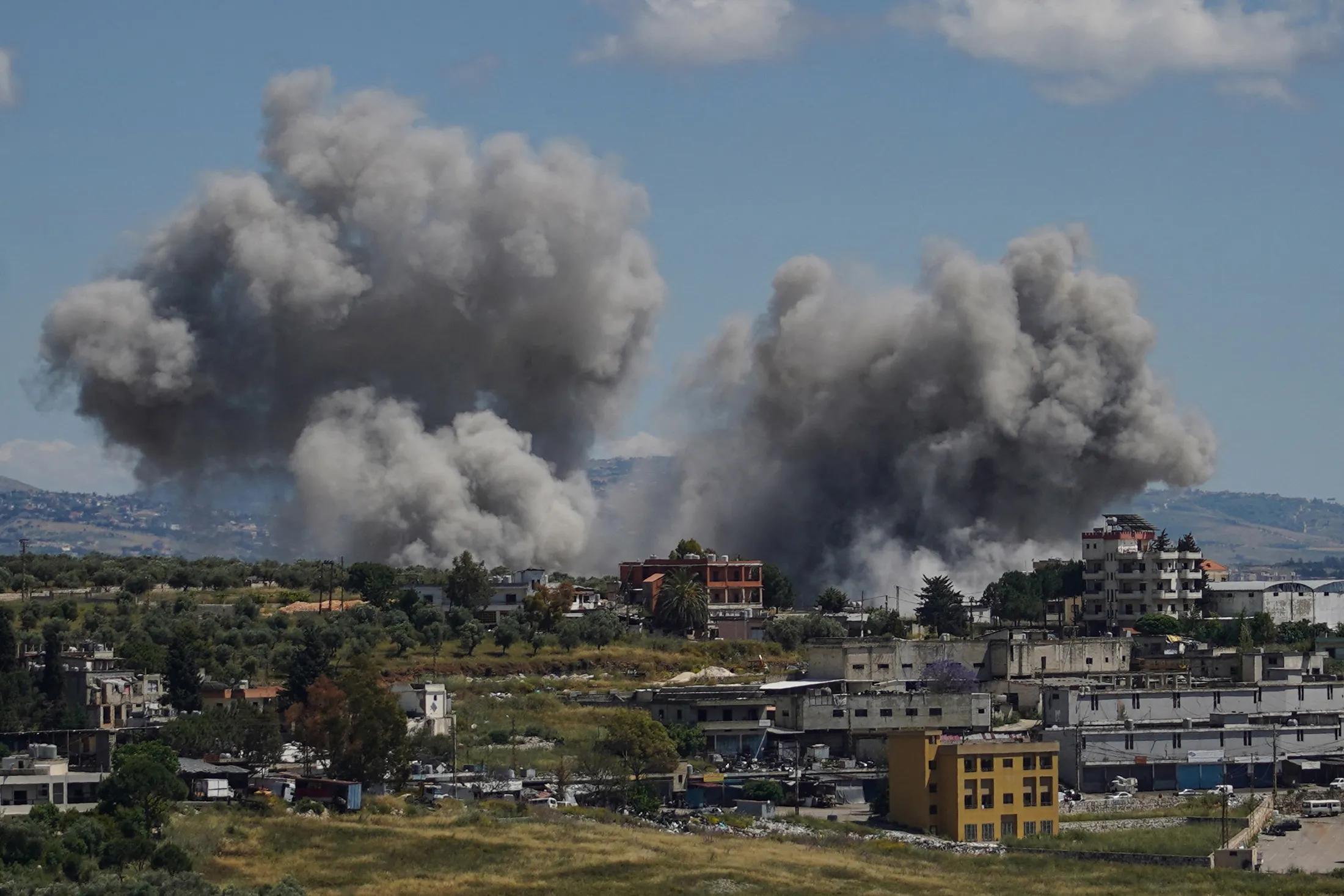
Two diplomats familiar with the latest terms said the initial agreement would initially call for a 60-day ceasefire. This will allow negotiations between the parties and the possibility of extension.
The above terms and conditions in the MoU are only applicable during the negotiation of the broader and main agreement.
Still, uncertainties remain, sources say. The negotiations were conducted by the Pakistanis and Qataris. Therefore, it is not clear whether the parties are working on the exact same version of the memorandum or who has the authority to approve the deal in Iran.
Hormuz is still a major point of contention
Shortly after the start of the US-Israel offensive in February, Iran shook the world economy by effectively closing the Strait of Hormuz. In response, US forces imposed their own naval blockade against Iranian ports and energy facilities in the Gulf.
The Strait of Hormuz is an important waterway for commercial shipping, and before the war, about a fifth of the world’s oil and gas passed through it.
According to the US view of the memorandum, the strait will be reopened immediately. However, the US blockade will remain in place and will be gradually eased depending on how well Iran resumes shipping. The aim is to encourage Iran to quickly clear the strait of mines.
Iran has agreed to restore sea traffic to pre-war levels for 30 days while a final deal is being negotiated. Nevertheless, the process of demining and opening the strait may take several weeks. Tehran is still arguing with Washington over what to do next.
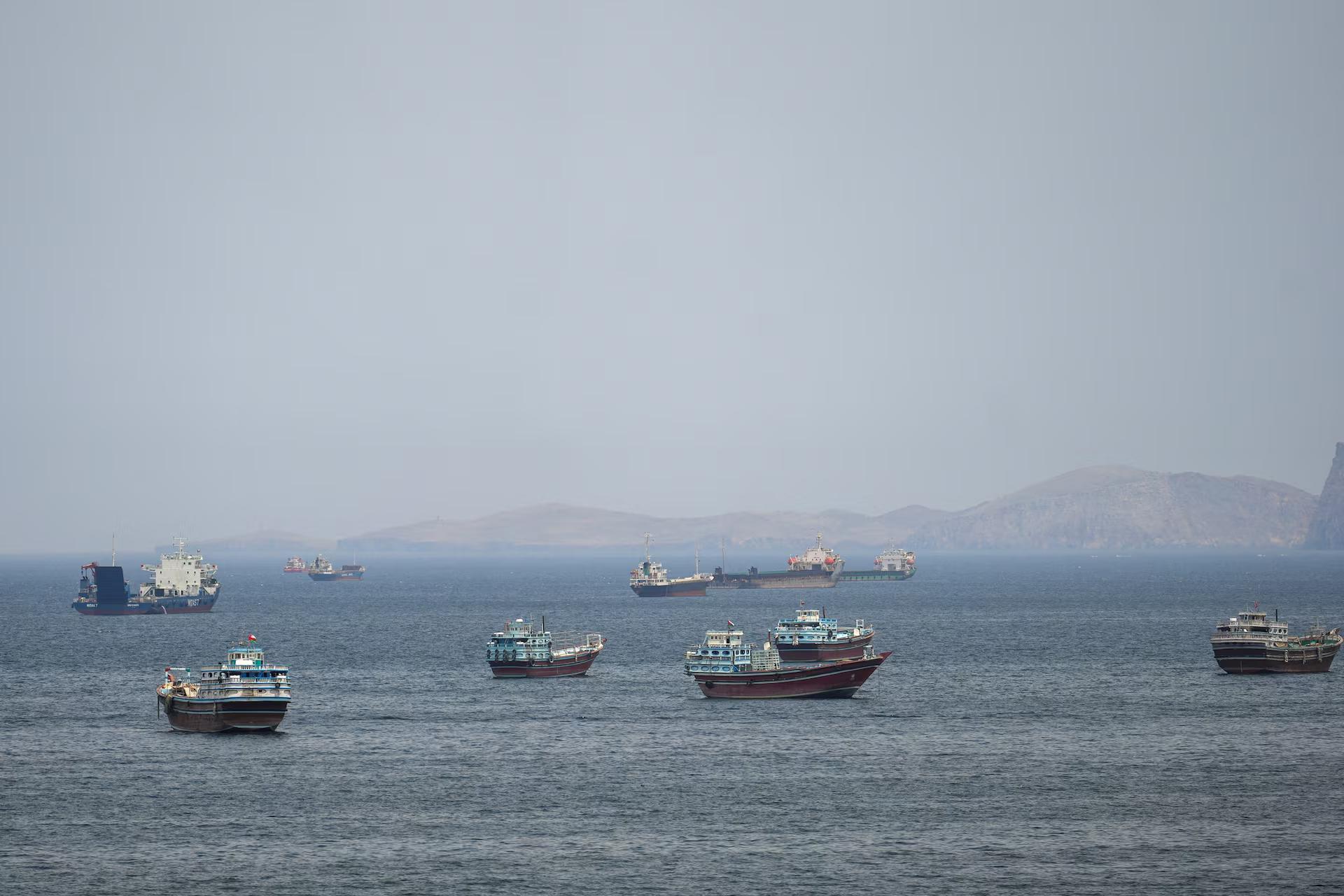
In particular, the Iranian official said that the US naval blockade will be lifted “within 30 days” and the Strait of Hormuz will be open during the negotiations. The US official says that the United States has not set any deadline for this.
In addition, the Iranian negotiators are adamant that after this period, Iran and Oman have the right to introduce some kind of service fee for ships passing through the strait or not.
But on May 27, President Trump reiterated his claim that the international waterway would eventually be open to the public without tolls or fees. That is why some US negotiators have proposed to postpone the long-term status of the strait to the second round of negotiations.
A post-war ‘investment fund’ for Iran
The most surprising and recent addition to the agreement is undoubtedly the mention of an investment fund for Iran. An Iranian official and a diplomat estimated it at $300 billion. Other sources involved in the mediation did not confirm the amount.
An Iranian official described it as a “rehabilitation program” promised to Iran if a final deal is signed. In the previous stages of the negotiations, Tehran demanded compensation for the damage caused by the bombings. Some Iranian officials estimate the amount of damage from 300 billion to 1 trillion dollars.
Diplomats familiar with the project called it an international “investment fund”. The United States will support its operation if a final agreement is signed. Funding plans will be discussed in detail during the negotiation period.
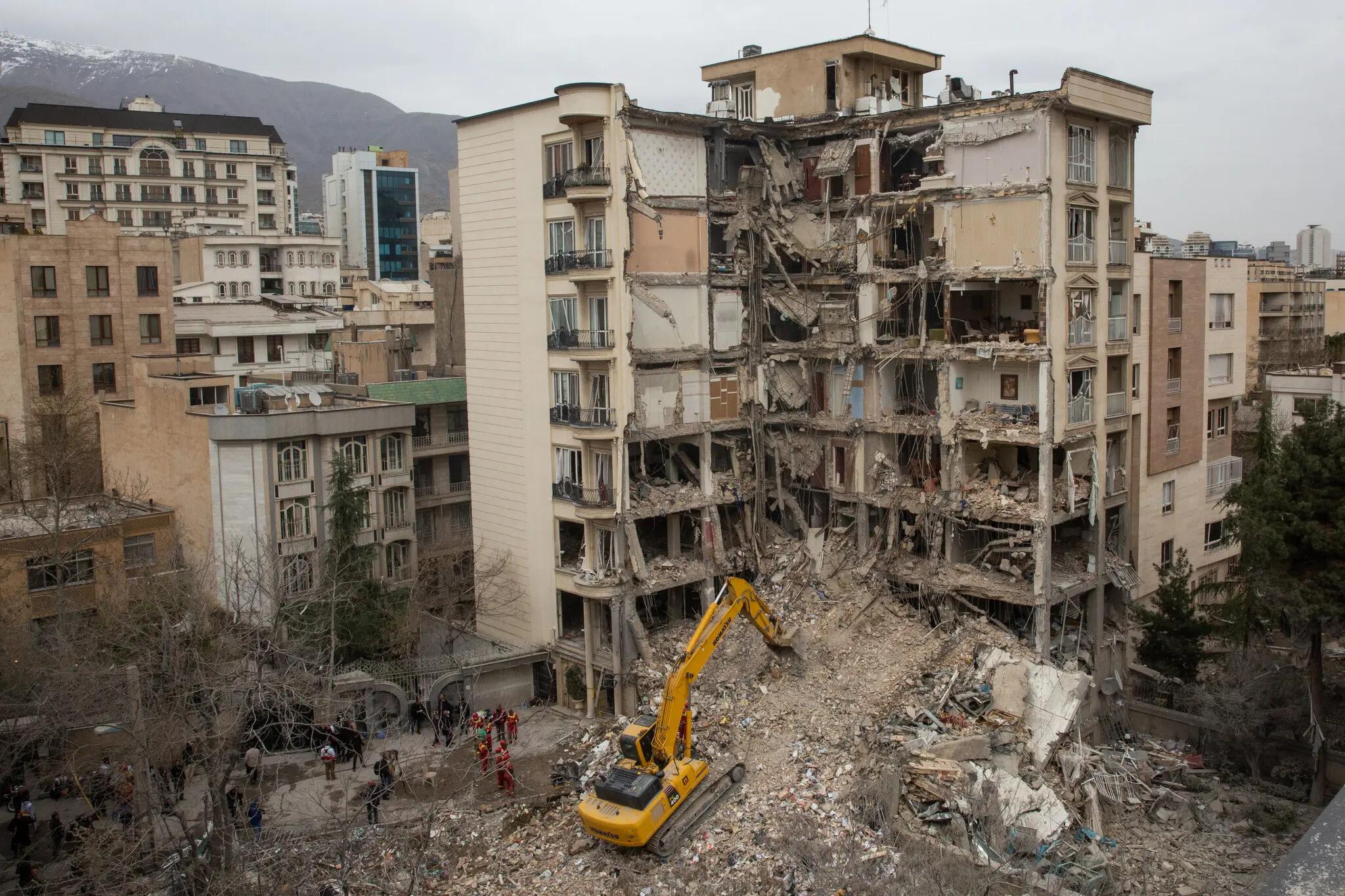
The proposal appears to be a rehash of an earlier idea floated by Trump’s special envoy for the Middle East, Steve Whitkoff, and the president’s son-in-law, Jared Kushner. Both of them are real estate investors who have proposed real estate projects in Tehran and this fund if a deal is reached.
Iranian officials have also suggested that major US oil and energy corporations may invest in Iran.
Nuclear negotiations are postponed to the second stage
The draft agreement obliges both sides to discuss the fate of Iran’s enriched uranium. According to the sources, this topic will come up in the second round of talks and will include how to destroy Iran’s stockpile of about 450 kg of highly enriched uranium.
Negotiators will also have to deal with another 10 tons of lower-enriched nuclear material.
Trump initially said that these reserves should be sent to the United States. Iran wants to dilute some of the enriched uranium on its territory under the supervision of international inspectors and send other parts of the stock to a third country.
Later, Trump also showed some flexibility, saying that it would be acceptable to dilute the level of enrichment or send it to a third country under the supervision of international inspectors. But he is not happy that Russia or China will accept Iran’s uranium.
Under the plan, Tehran would freeze its nuclear program in exchange for Washington’s promise not to increase sanctions while the two sides negotiate a final deal. If a final deal is reached, existing US sanctions against Iran will be lifted over time.
Iran’s frozen assets
The memorandum is expected to ultimately allow the release of some of Iran’s frozen funds. However, what is written on paper may not match what the two parties have verbally agreed upon.
Iran claims to have about $24 billion frozen in foreign banks and insists that serious negotiations cannot begin until they are released.
According to the New York Times, this is a sensitive topic for Trump. Because he sharply criticized former President Barack Obama’s administration after it sent 1.7 billion dollars to Iran in exchange for the release of 4 Americans.
Allowing far more billions to go to Iran than Obama did could expose Trump to attacks from both his opponents and anti-Iranian officials. That’s why Trump has made it clear to his aides that he will not sign any deal that would show the US providing direct cash to Iran.
Given this political reality, Trump’s team is developing ideas to channel Iranian money through other countries, including Qatar. Sources said that the written version of the project is expected to promise a phased release of funds.