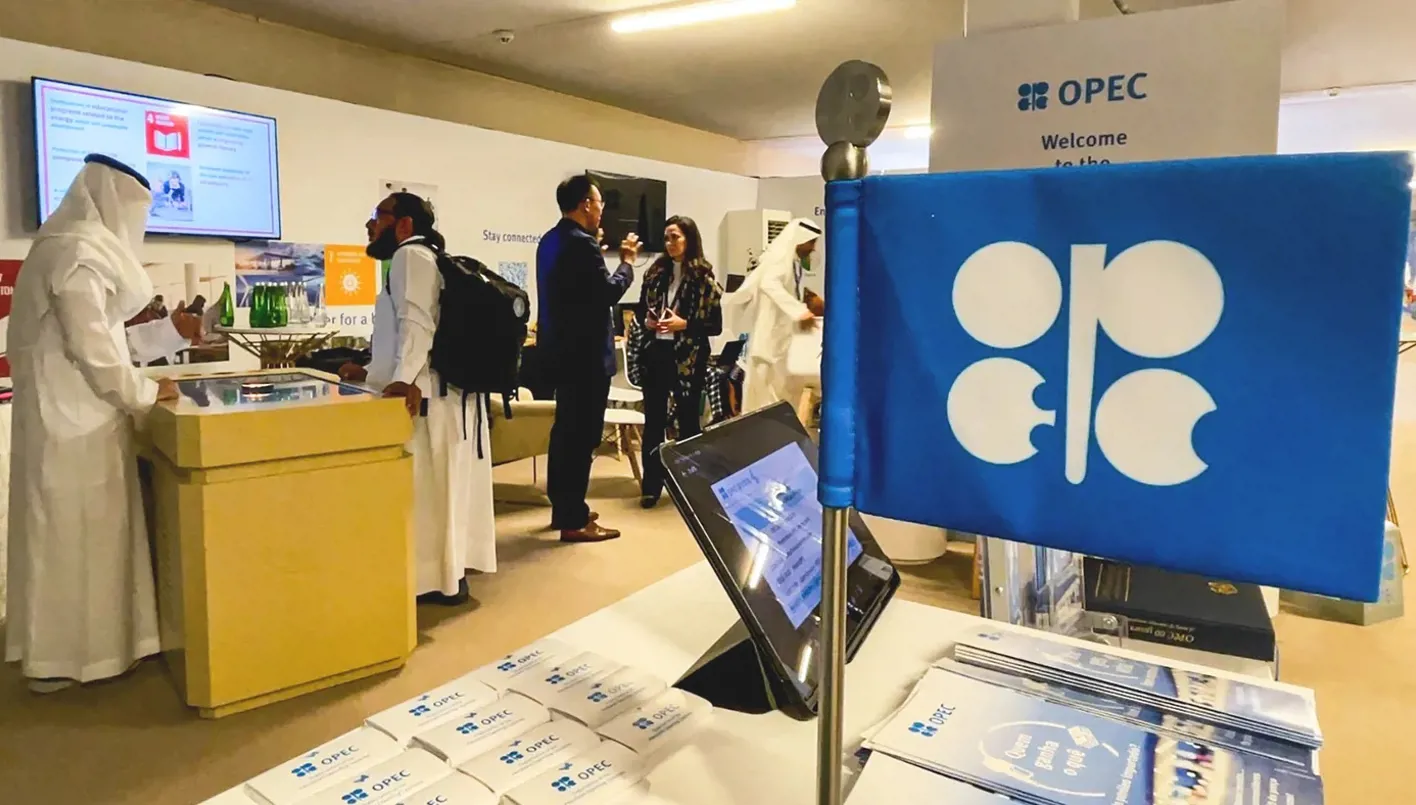
There is a clear relationship between the withdrawal of a country The UAE United Arab Emirates from my organizationOPEC“and”AAnd your plus“And the current geopolitical conflict between the regime”Petrodollar“And”Petroean“, which was exacerbated by the lockdown Iran Strait of Hormuz. Last April, the UAE officially withdrew from OPEC and OPEC Plus because the two organizations limited its oil production, and this gave it greater freedom in pricing and negotiation. According to the US Energy Information Authority (EIA), 80% of global oil exports are priced in dollars within the OPEC framework, and the UAE’s withdrawal opens the door to swap deals in Chinese yuan.
China is the largest importer of oil in the world with 11 million barrels per day, and it imports about 6% of its needs from the Emirates, or about 660 thousand barrels per day based on OPEC data in 2024. This volume strengthens the Emirati-Chinese relationship, as the Emirates signed agreements with China to partially price oil deals in the yuan since 2023. Michael Cohen, an economic analyst at Bloomberg, says that the Emirates is “gradually turning” into an axis. Petroyuan, reducing dependence on the dollar.
In previous crises, such as the 2008 crisis, the UAE requested swap lines with… Federal Reserve The US exchange rate is worth $30 billion against the dirham, providing immediate dollar liquidity. This was repeated a few days ago. Diversifying oil exchange outside OPEC reduces this pressure. In this context, the “petro-Iranian relationship” between the UAE and China emerges as a strategic alternative, as Chinese customs data says that the two countries signed oil deals worth 10 billion yuan (about 1.4 billion dollars) in 2025.
Thus, the exclusive dependence on the dollar, which is facing pressure, declines as its share in global reserves declines to 58%, according to to the International Monetary Fund. It is expected that the UAE’s exit from OPEC and OPEC Plus will raise its production from 3.4 million barrels per day currently to 5 million barrels by 2027, according to “ADNOCThis increases revenues by approximately $50 billion annually at a price of $80 per barrel. This increase opens opportunities to diversify financial flows, including investments in renewable energy and digital gold linked to the yuan.