This sentence has been repeated many times in social networks, media conversations and even some art circles, but if we examine the current situation of television productions more carefully, it becomes clear that this statement is more than based on current facts, it is a reflection of an old image from a period when the policy of serial production was more dependent on filling the conductor. While today, with the implementation of the national media transformation document and the redefinition of the mission of the networks, the path of serial production has moved towards issue-oriented and targeted policies.
In the past, one of the serious challenges of television was that the broadcast conductor acted as an “antenna well”; This means that the networks had to order production in order to fill the broadcast hours. It was natural that in such a situation, sometimes the speed of production would overcome the quality of the work, but in the new structure, this pattern has changed. Today, the production of serials is done not only to fill the broadcast table, but also in the framework of strategic issues and cultural priorities.
Document of change, document of the new path of dramatic productions
In the national media transformation document, several main axes are defined for theatrical productions; From family and population to patriotic, national and historical narratives, as well as political and social portraits and lifestyle issues. The purpose of this policy is that the serials are not just a passing entertainment, but can be a narrator of the real concerns of the society. This is why many new TV projects are designed from the idea and script stage with a problem-oriented perspective.
Simultaneously with this change of approach, the division of work between networks has also become more transparent. In the current structure, channels one and three have the main responsibility of broadcasting continuous series and are obliged to manage their show conductor on a regular basis. On the other hand, Channel Two has moved more towards special and family series; Works that are designed for special days such as Ramadan or national and religious occasions. This new order has caused theatrical productions to be placed in their right place and to distance themselves from the chaos of the past.
In other words, if in the past it was sometimes felt that serials were made only to fill the airwaves, today every work has been tried to be defined in relation to the mission of the network and the central theme. This change shows that the claim of “sacrificing quality for quantity” is not very defensible in the current situation; Because the new policy basically emphasizes on targeting production.
Big budgets, high salaries
But while television has tried to redefine its production path, the home network has faced another challenge; A challenge that is mostly related to the abundance of production and the competition of platforms to attract the attention of the audience. In recent years, each platform has tried to have several projects under production at the same time; Projects with heavy budgets, high salaries and the presence of numerous actors. This apparently glamorous competition, in practice, has sometimes led to an increase in the quantity of productions without guaranteeing the quality of the narration.
A notable example of this situation can be seen in some recent expensive series. The works that were introduced with extensive advertisements and the combination of famous actors, but in practice could not bring the audience with a coherent story. In such an atmosphere, even the projects that start from the beginning with a lot of media hype, do not necessarily achieve sustainable success.
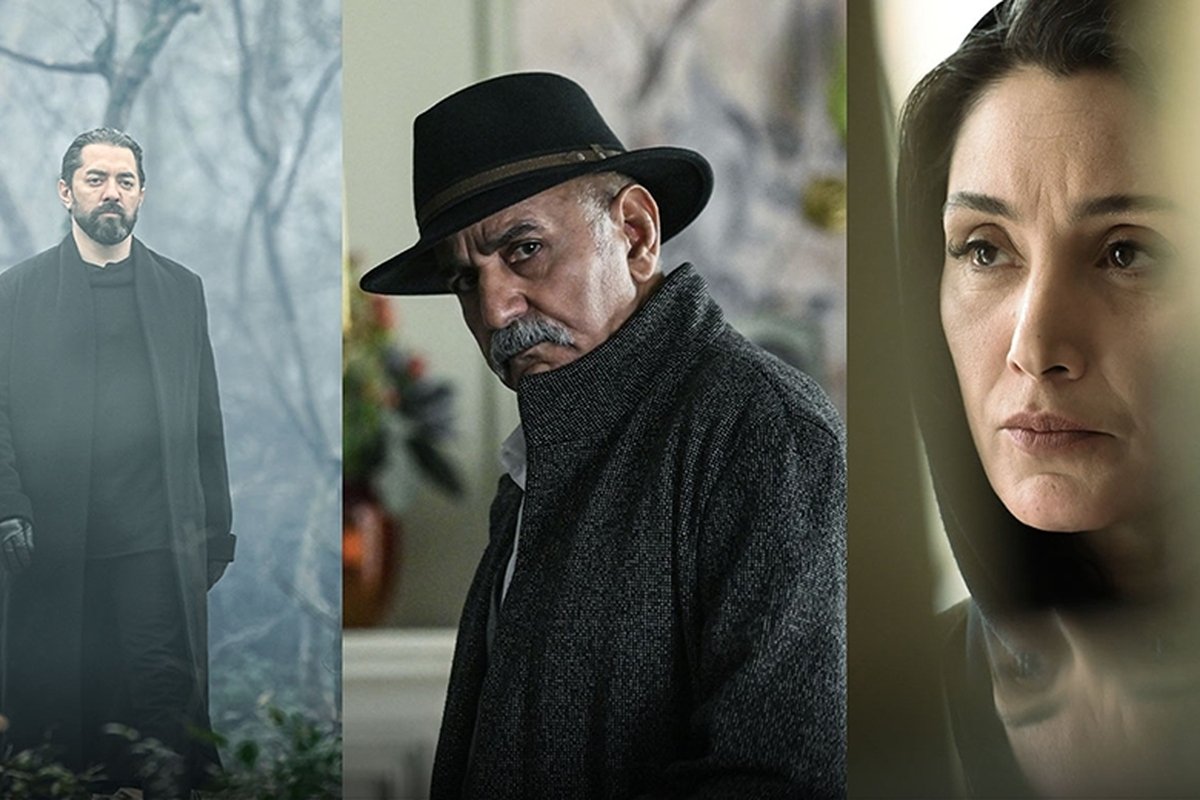
One of the controversial examples was the “Thousand and One Nights” series; A work that entered the field with the presence of well-known figures and extensive advertisements. Many thought that this series could be one of the winning cards of the home show, but the reactions showed that numerous stars and high costs do not necessarily replace a strong story. The fragmented narrative, the characters who did not have the opportunity to pay deep attention and the lack of logical connection between the events of the story, made part of the audience unable to connect with the series. In fact, the experience of One Thousand and One Nights had a clear message: even star productions cannot keep the audience for a long time if they are not based on a coherent script and accurate characterization. Simply put, the stars can grab the initial attention, but what keeps the audience is the story.
This issue is not limited to only one series. A general look at the productions of the last few years shows that in some cases, the production pattern has moved towards structural similarities. Many series are made in similar genres; Luke’s spaces
S. Shahri, similar characters and narratives that rely more on external tensions and emotional situations. The main difference is sometimes seen only in the locations or the composition of the actors. In such a situation, the audience who spends subscription fee, internet and time to watch these works, naturally expects to face a different and creative experience. When this expectation is not met, the reaction of the audience will be fast; Because unlike television, which is publicly accessible and free, the home audience pays directly for the content.
Another feature of some platform productions is relying too much on controversial or viral moments. Scenes designed more to get quick attention on social media than to advance the story. Although this approach may create media attention in the short term, in the long term it damages the coherence of the narrative and the formation of lasting characters.
In many recent works, the characters have less opportunity to go through the path of real transformation. Sometimes the characters become more of show types than human beings with comprehensible motivations and complexities. In such an environment, even important social issues may be reduced to slogans or momentary reactions.
On the contrary, the experience of successful works in the history of Iranian television shows that the Iranian audience is more interested in stories than anything else. Serials based on human relationships, family, national identity and social narratives have usually been more enduring. This historical experience is one of the reasons why television policymakers have re-emphasized issues such as family, national identity and history in recent years.
Competition for more production
The fact is that television and home theater both play an important role in Iran’s image industry and each has found its own audience. But the comparison of these two areas shows that the main challenge today is not necessarily on the television side. While television has tried to organize its production structure based on the transformation document and distance itself from the fragmentation of the past, the home show is facing a different problem: intense competition for more production and faster attention.
If this competition is not accompanied by careful planning, it can lead to the same problem that critics have been accusing television of for years; It means that quantity prevails over quality; Therefore, instead of repeating the old stereotype of “quantity instead of quality on TV”, it might be better to take a closer look at the situation of the entire image industry in Iran. Television is trying a new direction based on issue policy and home theater is experiencing a complex competition for audience retention. Fair judgment is possible when both areas are examined with real criteria and not outdated assumptions.
In the end, what matters to the audience is neither the name of the platform nor the place where the work is played; It is important to have a story that can take him with him. If a work has an attractive narrative, believable characters and a coherent story world, the audience will follow it; Whether it is on the TV antenna or on the screen of an internet platform. But if productions are made solely to fill the market or create short-term hype, even the most glamorous projects cannot fill the void of a good story.