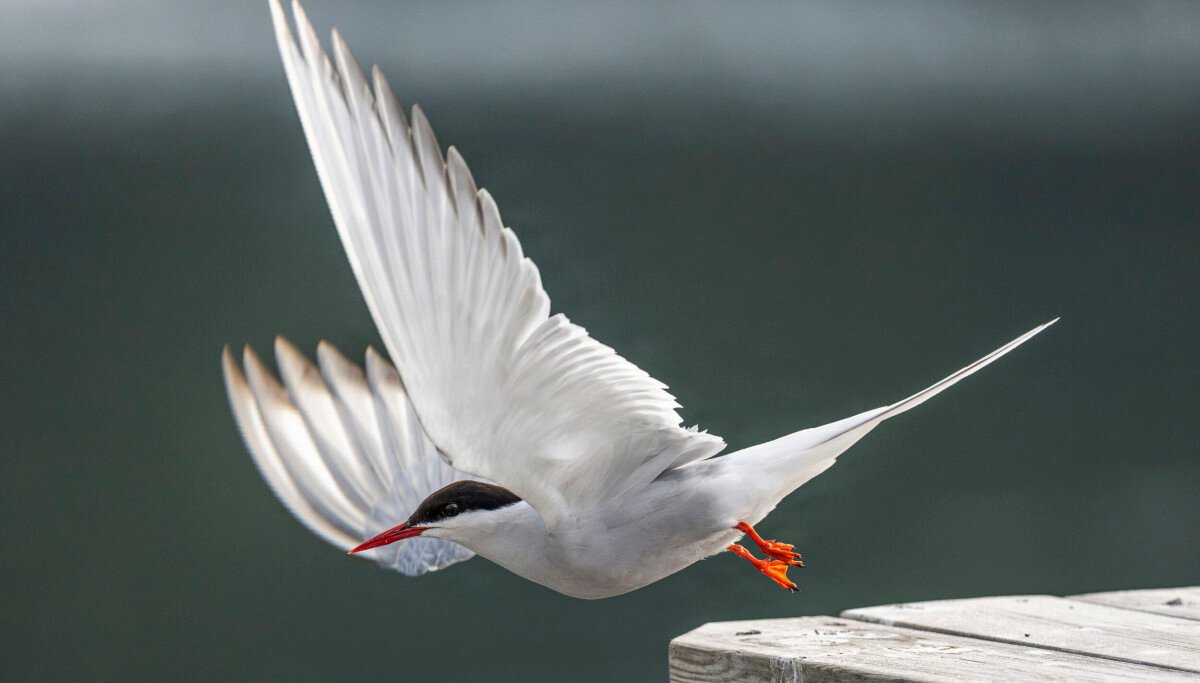
Inatsisartut passed On 13 October, a resolution proposed by Naleraq’s Jens NapãtôK´, which will pave the way for it to be allowed to once again collect eggs from the protected sea tern, was unanimously approved.
In short, the proposal concerns that during the winter, local hearings must be carried out in affected areas with a view to revising Naalakkersuisut’s order on the collection of tern eggs, so that the collection can be permitted as early as next summer.
That decision causes consternation among nature lovers and bird lovers.
– It goes against many years of practice in the area. The time is absolutely not to allow egg collection. The Greenland tern population has been steadily declining for many years, say Ole Zeeb and Frank Wille, who are both behind the bird NGO Timmissat Nipaa.
– I have collected everything that has been written about the terns since the 50s – and above all it is again the case that the Greenland tern population is in decline and threatened. Then it’s absolutely crazy to open up the collection of tern eggs again, says Ole Zeeb.
A special bird
– The tern is a very special bird that breeds in, among other places, Greenland here in the north, but which winters in Antarctica when it is winter down there. This means that a tern travels 71,000 kilometers as the crow flies each year back and forth to the breeding ground in Greenland.
– It is quite unique – and it gives us a special obligation to look after the terns. The proposal to start collecting tern eggs does not harmonize at all with an image of a society that has sustainability and existence in harmony with the environment as a political ideal.
The tern population in Greenland has declined for many years – including in the area of Kitsissunnguit, which is one of the world’s most important breeding areas for the tern. In 1946 there were at least 50,000 pairs of terns on the islands, but by 2024 this had fallen to 7,500.
Foxes are a threat
The decline here is not only due to human disturbances in the area, which is protected as a bird protection area, but to a large extent to an explosive growth in the number of foxes in the area.
For the same reason, Pinngortitaleriffik has joined forces with GFJK to limit the fox population.
– But it is far too early to say anything about the result of the fox regulation. We must not sell the hide until the bear is shot. We first have to see if it helps, says Ole Zeeb.
– So we do not understand at all that Inatsisartut is in such a hurry. If there is to be egg collection at all, the population must first stabilize, so it is quite premature to already consider collecting tern eggs for next year.
In his justification for the bill, Jens NapãtôK´ says that the rules for the collection of tern eggs should be changed to take into account cultural needs, the effects of climate change and the desire for greater self-sufficiency in food.
– The global price increases also affect us in Greenland. This makes it more difficult for many to get their everyday life together. Therefore, it is necessary to give the population better opportunities for self-sufficiency through more flexible and locally adapted rules, says NapãtôK’.
Pinngortal riffik advises caution
In connection with Inatsisartut’s treatment of Jens NapãtôK’s bill, Pinngortital riffik has been heard. Here, it is recommended that you look at the time until the results of the fox control in the colonies are known – probably in five to ten years.
– Once the populations have been established, a trial scheme can be carried out in a limited number of settlements and local areas, provided that fox control continues from early in the season. An important prerequisite for sustainability is that it is only allowed to remove one egg per nest with several eggs, and that core areas such as Kitsissunnguit and Qeqertat are left out, writes Pinngortitaleriffik.
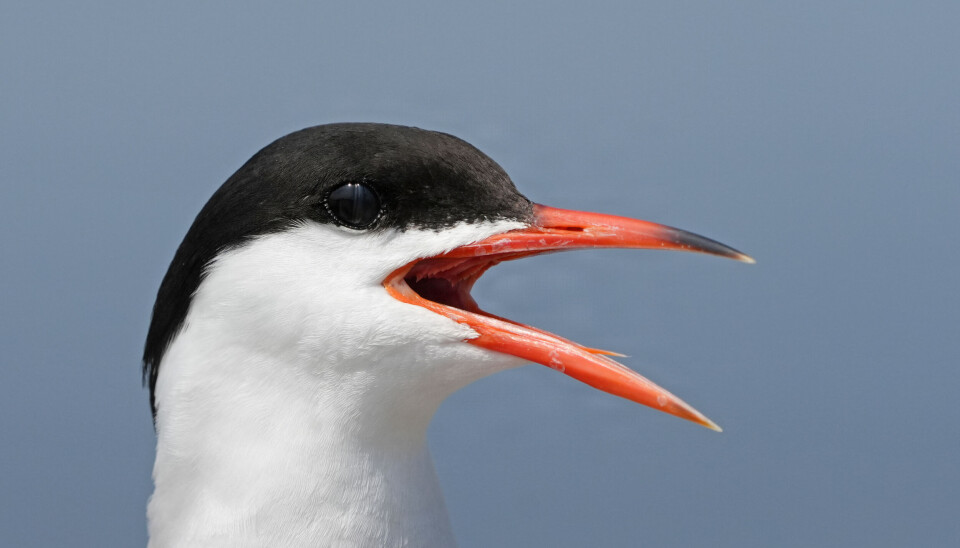
The tern is distributed circumpolarly in the northern hemisphere, from Greenland in the north to Denmark and northern Germany in the south. It feeds on small fish, which it dives for. The tern is easily recognizable and easy to observe when fishing. Here it stands completely still above the water and looks for a target – and then dives at great speed.
Terns breed in colonies and protect the nests with great energy by diving down from the air at high speed and pecking directly at the top of the intruder’s head with its pointed beak. Terns often release their droppings into the air as they fly over the threat.
The tern can live up to 35 years.