Russian forces have entered the strategic town of Kostiantinivka in eastern Ukraine and are currently trying to encircle it, according to the Ukrainian military. The situation on the ground is described as fluid, with actual control of the city contested.
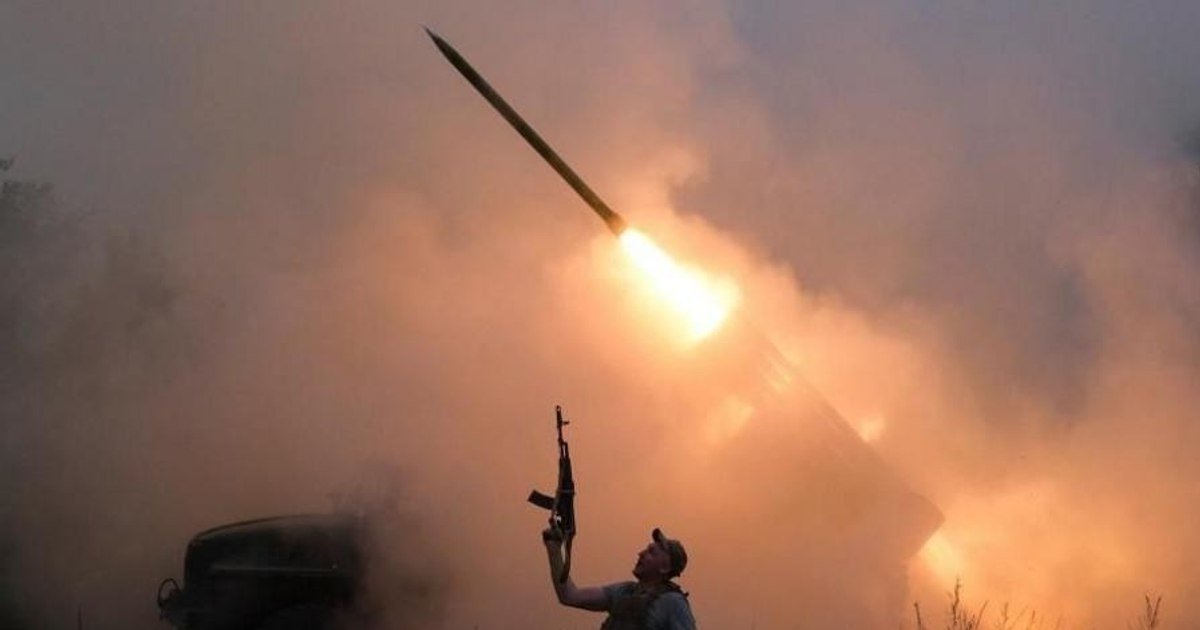
Struggles for the control of Donbass/PHOTO:X
Ukrainian soldiers say the entire town has become a so-called “grey zone” with no clear authority in control. “They are entering areas behind us, and in urban conditions it is extremely difficult to repel them,” said a Ukrainian drone operator operating in the area, who requested anonymity.
Kostiantinivka is considered a gateway to the rest of the Donbas region. Should the city fall, Russian forces could advance to the last Ukrainian bastions in the east – Kramatorsk and Sloviansk – moving closer to Moscow’s strategic goal of fully controlling Donbas.
Although the front has been relatively stable in recent months, Ukrainian commanders say they have regained more territory than they have lost this year, disrupting Russian logistics lines between the border of the Russian Federation and occupied Crimea. In this context, the authorities installed by Moscow in Crimea recently suspended the sale of fuel to the population, due to the shortage.
In parallel, Ukrainian strikes on refineries in Russia, including in the Moscow and St. Petersburg areas, aimed to affect energy infrastructure and bring the war closer to the Russian population outside the front lines.
Russian troops reported in the northern areas of the city
In Kostiantinivka, Russian troops would have advanced from the south, being reported including in the northern areas of the city. Moscow says its forces are advancing rapidly in the southwestern sector and have succeeded in encircling some Ukrainian units. Kiev rejects these claims.
Brigadier General Oleksandr Bakulin, the commander of the Ukrainian 19th Corps, responsible for defending the city, claims that the situation is “under control” and that “the enemy has not scored significant successes.” However, he acknowledges the presence of approximately 130 Russian soldiers inside the town.
Another Ukrainian officer, quoted by the BBC and in the area, says that the reality on the ground is more complex than the officials describe: “We still have clearing and assault groups in the city, but the Russians manage to accumulate more and more soldiers there.”
According to him, every building can be used as a shelter, and summer vegetation provides additional cover. Under these conditions, Russian troops manage to advance to an area where Ukrainian drones quickly detect movements and can hit targets.
At the same time, Russian drone units are systematically targeting Ukrainian drone launch infrastructure, trying to create a tactical advantage for the infantry on the offensive. A Ukrainian operator says limited resources prevent them from responding proportionately: “They use artillery, multiple missile launchers and aviation for such tasks.”
Shortages and accumulated fatigue reduce responsiveness
He also says that the lack of staff and accumulated fatigue reduce the ability to react: “If we don’t have enough time to seek out and neutralize their operators, they detect our positions and we’re forced to retreat.”
Another Ukrainian serviceman describes the Russian advance as slow but steady: sometimes about 100 meters a day, with progressive advances from one building to another.
The tactics used by Russian forces in Kostiantinivka are similar to those in other towns in eastern Ukraine, where units try to outflank towns to cut off supply lines. In recent days, the Russian Ministry of Defense announced the capture of some villages west of the city.
These developments coincide with the intensification of Ukrainian attacks on Russian energy infrastructure and logistics routes to Crimea, which has led to supply difficulties and fuel shortages.
According to the Ukrainian monitoring project DeepState, the loss of Kostiantinivka would be “a matter of time” and the impact would significantly complicate regional logistics, making the presence in Kramatorsk “extremely risky”.
Ukrainian military personnel in the area also claim they are not receiving enough reinforcements to compensate for losses, and reports of withdrawals would lead to orders to recapture lost positions: “We don’t have enough men to even hold what we control, let alone mount offensives.”
Despite the pressure, one drone operator says the fighting continues: “We’re still in the city. But if we don’t change our approach and hit their logistics and drone operators, they will continue to advance.”