
“Just as ripples spread out when a single pebble is dropped into water, the actions of individuals can have far-reaching effects.” — Dalai Lama
There is a difference between understanding and knowing.
Many well-intentioned people think they understand. They look at stories of survival, violence, loss, and hope, and they believe empathy is enough. Do you actually know what it feels like to lose control, to face real fear, and to cling to faith when you have nothing else? Hearing stories of courage does not just inspire; it strengthens.
Those were some of my thoughts as I looked around the Silver Conference Room at the Hasely Crawford Stadium last Saturday. I had been invited by TTOC Gender Equity Commission Chair Sonja Johnson—one of the organization’s vice presidents—to deliver the keynote address at the inaugural workshop: Leading Young Men in Sport: Sharing the Space, Leading the Future.
The interactive workshop helps young men become confident, respectful leaders. Participants explore how gender equity strengthens sport for everyone and learn how to share space, opportunity, and leadership with women and girls. Through six practical sessions, they examined identity, pressure, and healthy masculinity; distinguished equality from equity; practiced inclusive leadership; addressed sexism and bullying; and committed to a 30-Day Leadership Challenge.
In our communities, young men face unprecedented pressure:
The Trap of the Streets: When boys find no sense of belonging at home or in the classroom, gangs step in with false promises of brotherhood that feed gun violence and school turf wars.
The Crisis of Identity: When masculinity is defined strictly as dominance, aggression, and silence, it breeds the toxic anger erupting in our schoolyards.
The Education Gap: As traditional classrooms struggle to engage young boys, many feel left behind, hopeless, and angry.
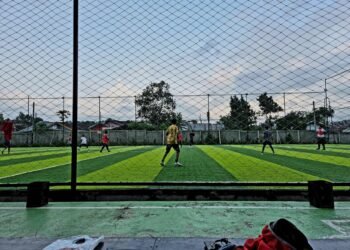
Sport changes the game. The football pitch, the cricket net, and the athletic track are not just spaces to play; they are classrooms for life. Sport replaces the violent belonging promised by gangs with discipline, teamwork, and resilience.
To lead the future, however, our young men must master a radical skill: sharing the space.
We stand at a critical crossroads in Trinidad and Tobago. Look at our front pages or walk through our neighborhoods, and you see a battle for the souls of our young boys. On Saturday, the Trinidad and Tobago Olympic Committee (TTOC) asked these young men to choose a different path. When we talk about leading young men in sport, we are not just talking about medals or trophies. We are talking about survival, character, and rewriting our nation’s future. Too many people across society speak at our youth rather than with them at the point of their need. Sport opens the door to a genuine conversation. The workshop was open to young men aged 15–24 years involved in sport in any capacity, including athletes, coaches, referees/officials, and other support roles. Watching them respond to questions about respect and the evolving role of women in leadership was eye-opening. Because the workshop created a genuinely safe space, they spoke with raw honesty. It was awesome to witness. The facilitators did their part. The participants kept it real.
The TTOC must continue these workshops. Sport is one of the most powerful tools we have to change the narrative and behaviors that fuel toxic masculinity, domestic and sexual violence, and the at-times complex male-female dynamics.
Editor’s note: The views expressed in the preceding article are solely those of the author and do not reflect the views of any organisation in which he is a stakeholder.
The post The ripple effect first appeared on CNC3.