Every November, the global movement spearheaded by the Movember Foundation focuses on male well-being, including prostate cancer, testicular cancer, and psychological health challenges.
Movember’s agenda seeks to reduce premature mortality, support men living with serious diagnoses, empower boys and men to take control of their emotional wellness, and eradicate the pervasive social stigmas that surround mental health struggles.
It is easier said than done.
Across our communities, cultural notions of masculinity frequently discourage open discussions about physical or emotional suffering, generating a dangerous reluctance to seek expert assistance when feeling unwell.
In addition to having a proclivity for hazardous behaviours, men are less likely than women to consistently visit healthcare providers, which delays critical early interventions.
Conquering these challenges requires accessible, community-grounded solutions.
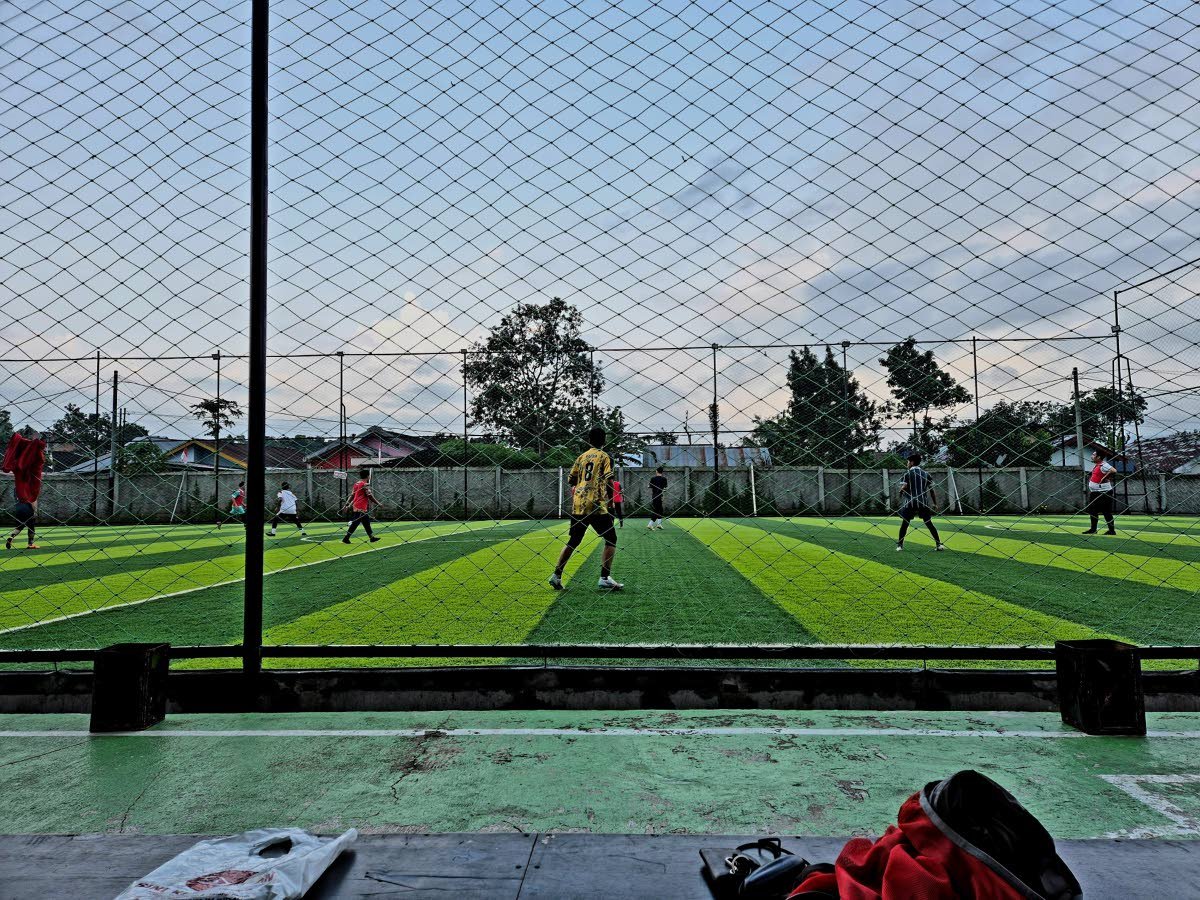
Taking part in regular physical activity and sport provides holistic physical, psychological, and social benefits:
• ↓Physical: Enhances cardiorespiratory fitness, muscular strength, bone density, joint mobility, and energy levels, while directly improving the regulation of blood pressure and blood glucose.
• ↓Psychological: Reduces stress, elevates mood, enhances sleep quality, triggers endorphin release, and builds self-esteem.
• ↓Social: Fosters meaningful friendships, expands support networks, and strengthens communication skills using shared, enjoyable activities.
Additionally, realising the entire potential of physical culture requires reconsidering what our sporting spaces represent.
Sports clubs, training grounds, and recreation parks must become safe, open spaces where men feel comfortable speaking about their physical, emotional, and social health.
Trusted sporting environments can go a long way towards health literacy and helping individuals cope with the ineluctable realities of life.
National Sporting Organisations (NSOs) and their affiliates must take an active leadership role in establishing this culture.
Males across every demographic—age, ethnicity, socioeconomic class, religion, and geography—must be intentionally introduced to actionable health knowledge.
The requisite expertise already exists within our medical fraternities, sports medicine practitioners, psychologists, and nutritionists.
NSOs hold the ideal organisational network to bridge the gap between these experts and the grassroots public.
In our public health environment, men’s health—especially those living with chronic conditions—must never be devalued.
It is never too late to start the ball rolling towards an active lifestyle.
The benefits redound far beyond the individual, creating positive ripple impacts across families, workplaces, and wider society.
With sport as a vehicle for comprehensive well-being, we can build stronger communities and uphold the age-old truth: prevention is better than cure.