June 9, 2026 at – 7:41 p.m.
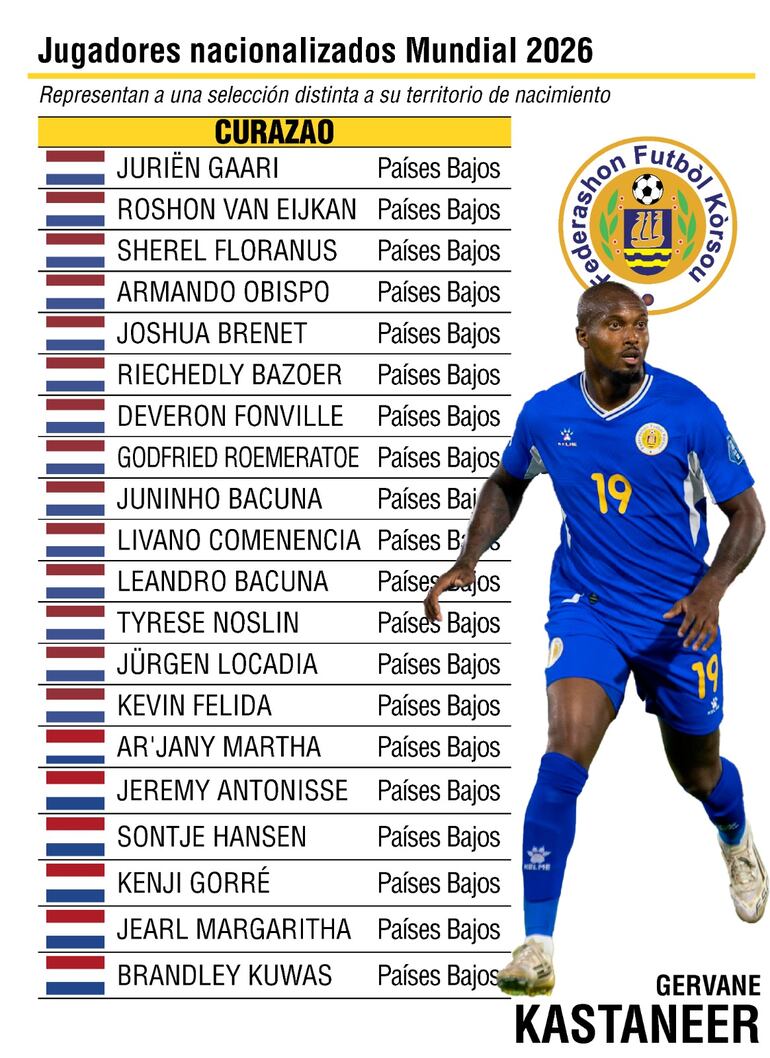
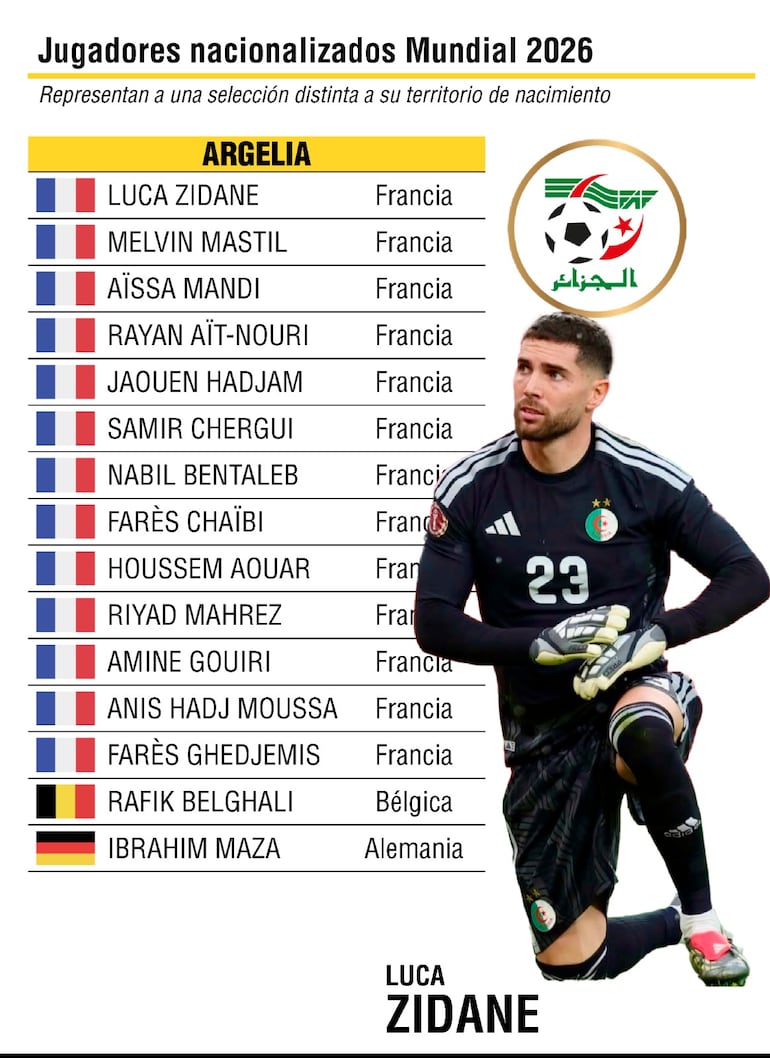
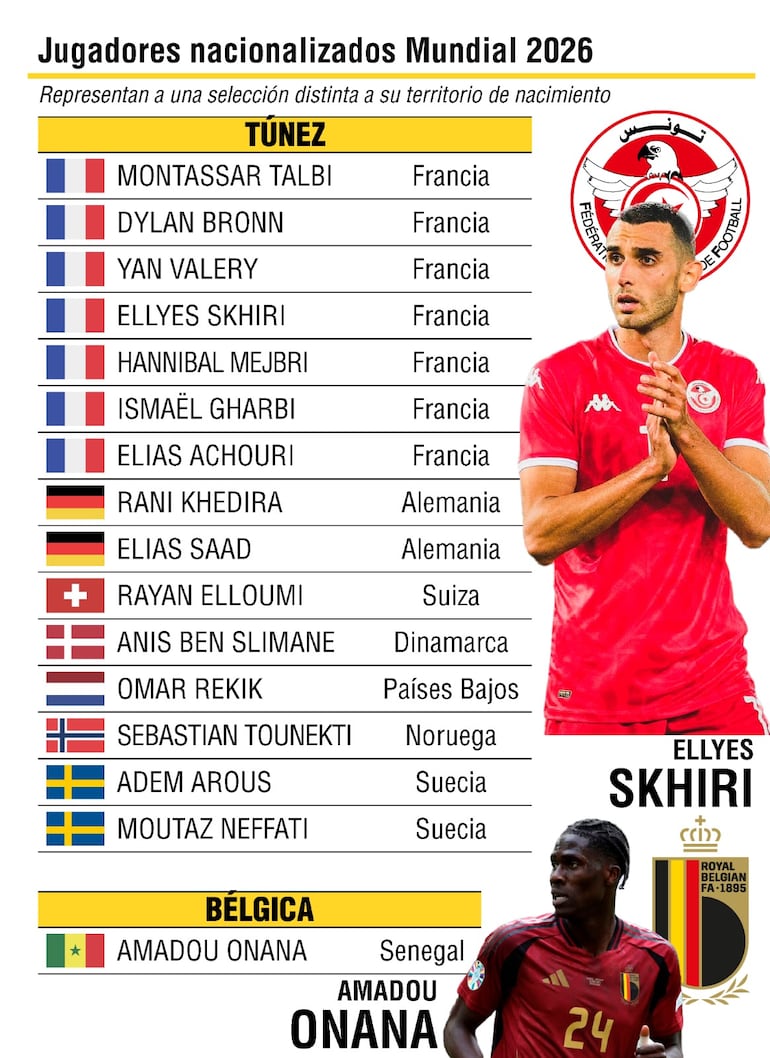
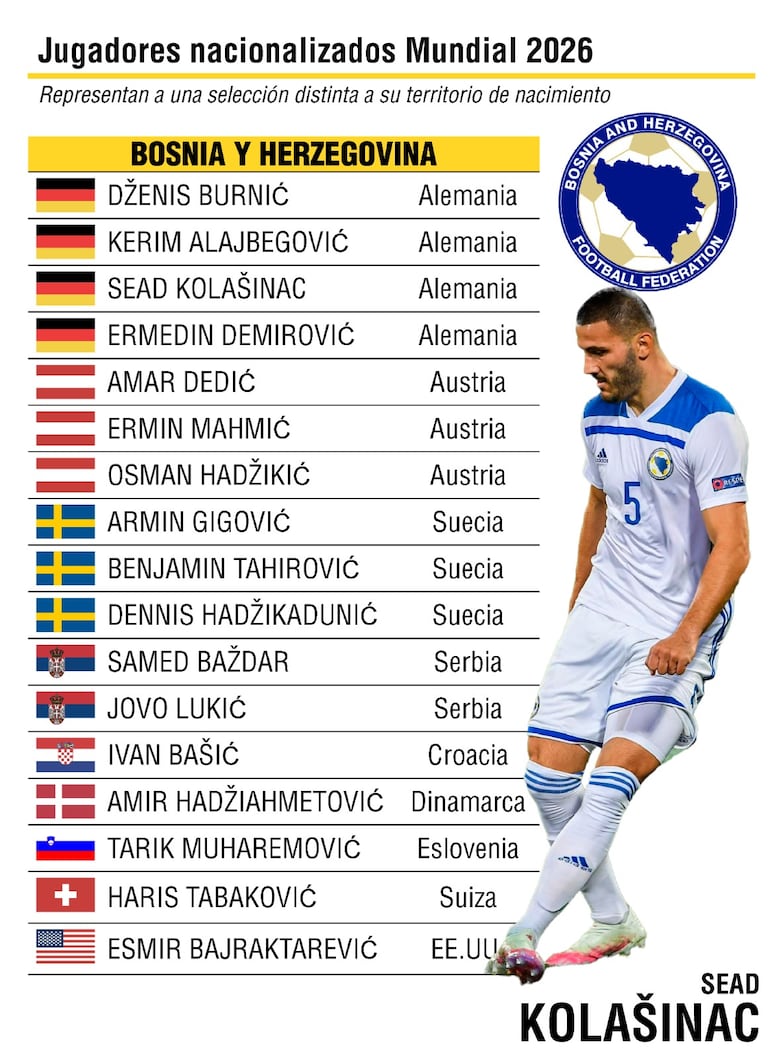
The world football map has become completely globalized. We show you how the red-and-red national team and the rest of the planet add players who chose to defend a flag different from that of their birthplace.
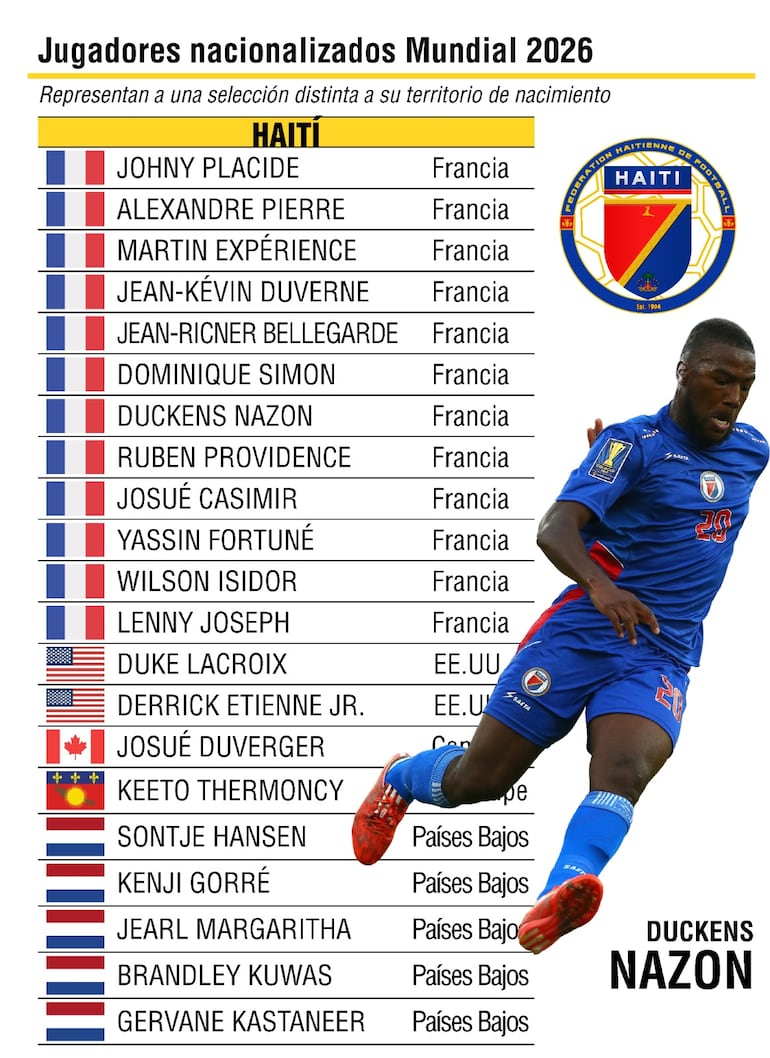
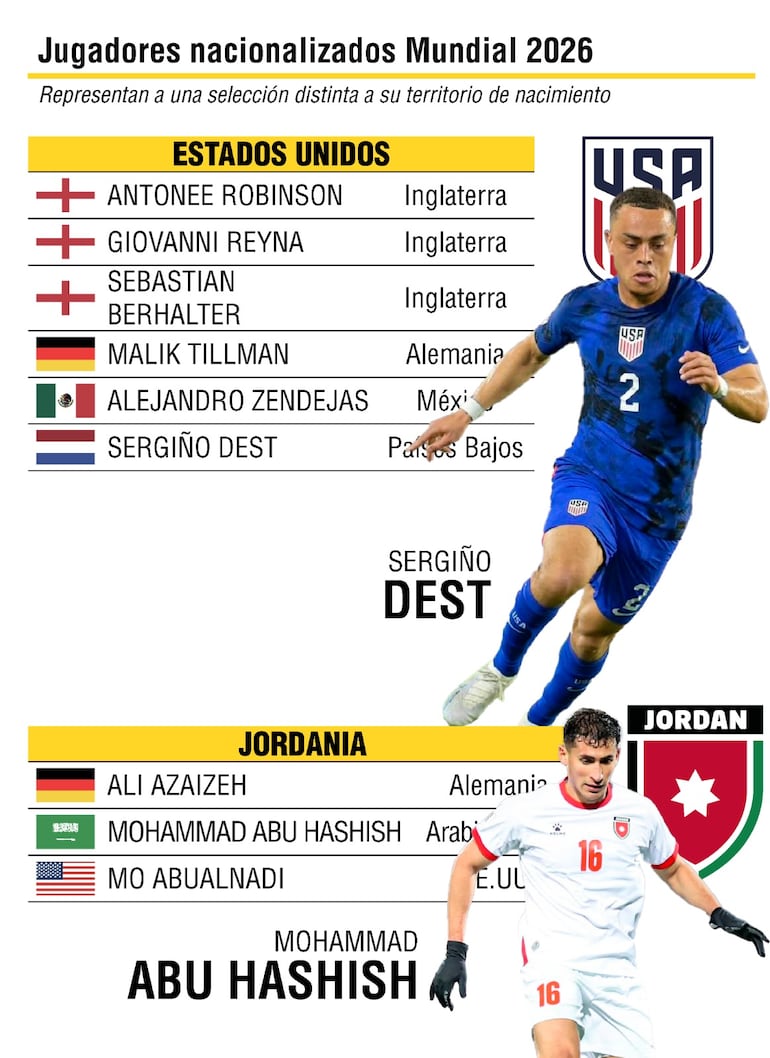
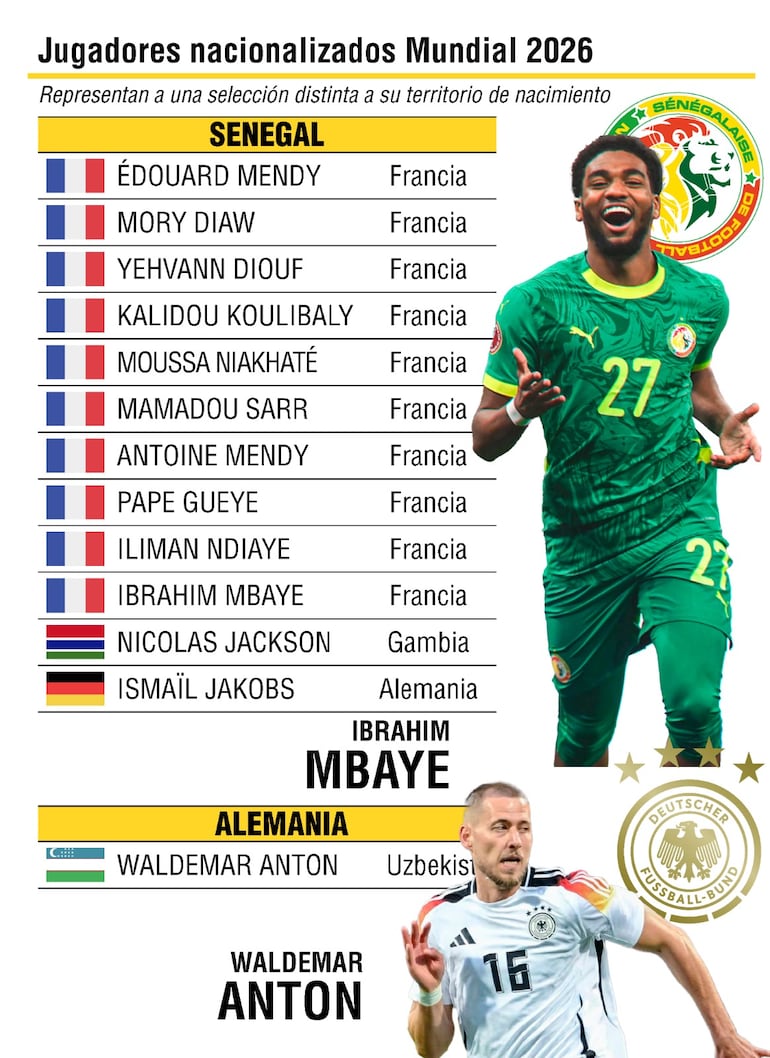
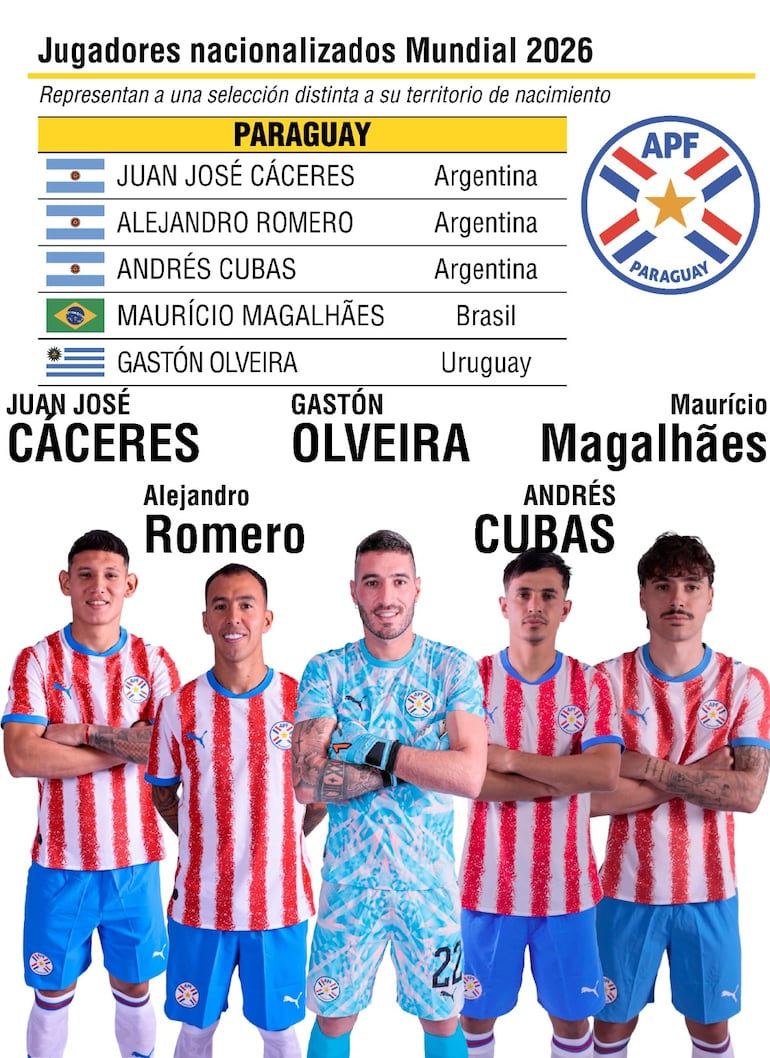
The phenomenon of footballers who defend a team other than their country of birth is a global trend that redefines the map of international football. The infographic exposes how the borders of football have become extremely porous: African powers feed on talents born in Europe, European teams add pieces from colonies or neighboring countries, and South America is no exception to this rule of globalization and dual nationality.
In this scenario, the case of Paraguayan national team It is emblematic and extremely strategic within the region. The team that today commands Gustavo Alfaro knew how to capitalize on cultural, subsidiary and geographical ties to reinforce its competitive structure with footballers of enormous hierarchy who, Due to their ancestry, they decided to wear the albirroja shirt.
The “Alfaro factor” and those chosen for the World Cup
In one of the recent press conferences, in an interaction with the journalists present at the Ypané High Performance Center, The coach Gustavo Alfaro mentioned the nationalized players that the World Cup will havehighlighting the importance of these footballers within the strategic assembly and the contribution they provide to the group for the North America World Cup.
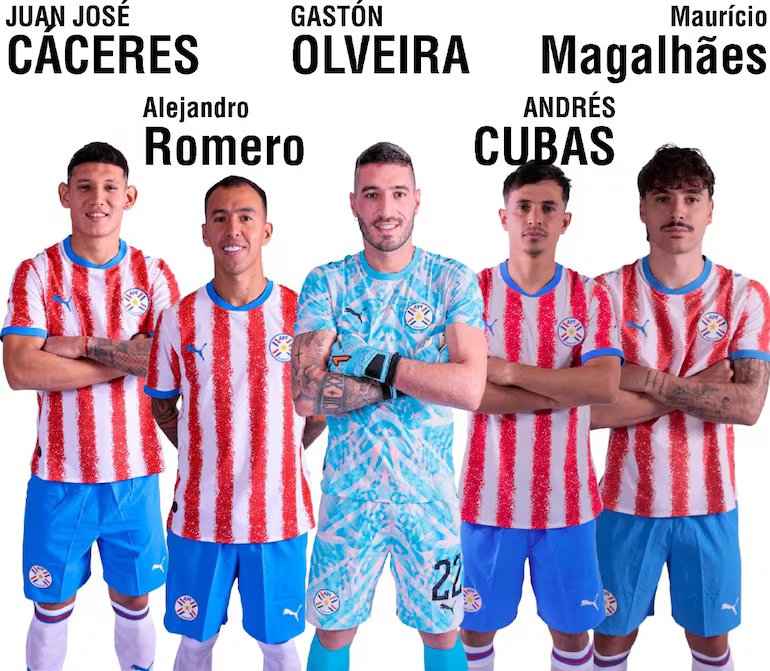
Within this ecosystem of players with dual nationality, La Albirroja has names born outside its borders that are part of the current structure: the side Juan José Cáceresthe attacking midfielder Alejandro “Kaku” Romero Gamarra and the central steering wheel Andres Cubasall three born in Argentina; the midfielder Maurício Magalhães Pradoborn in Brazil; next to the goalkeeper Gaston Olveiraborn in Uruguay.
The global superstars who changed their flag
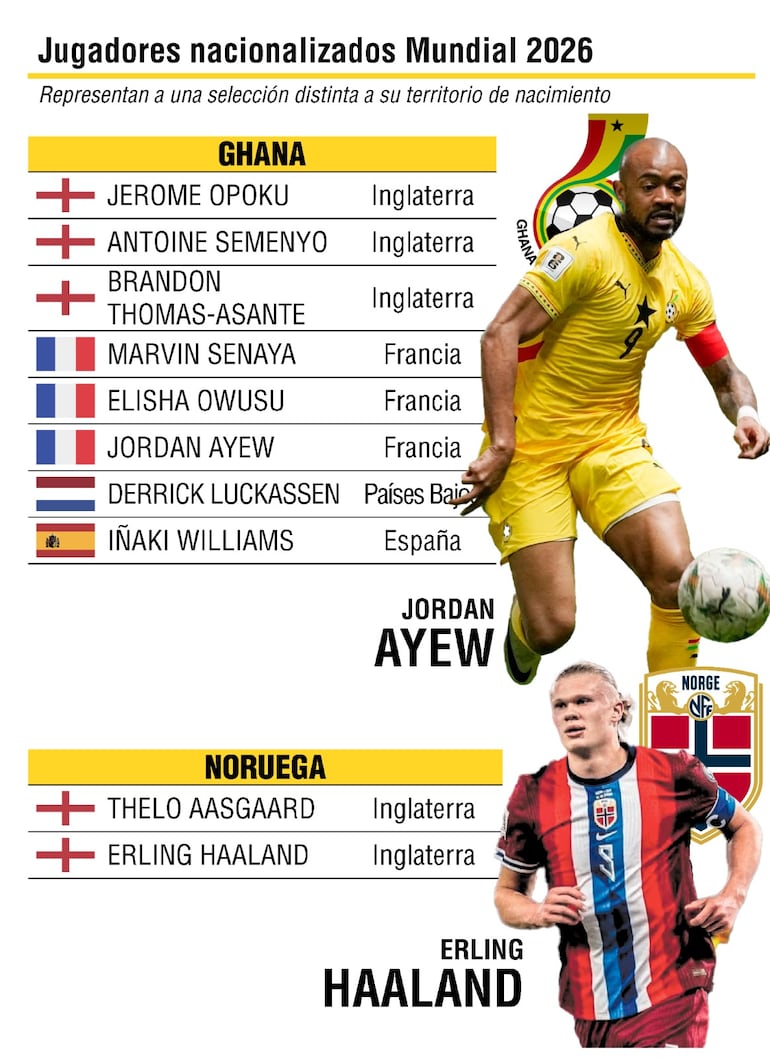
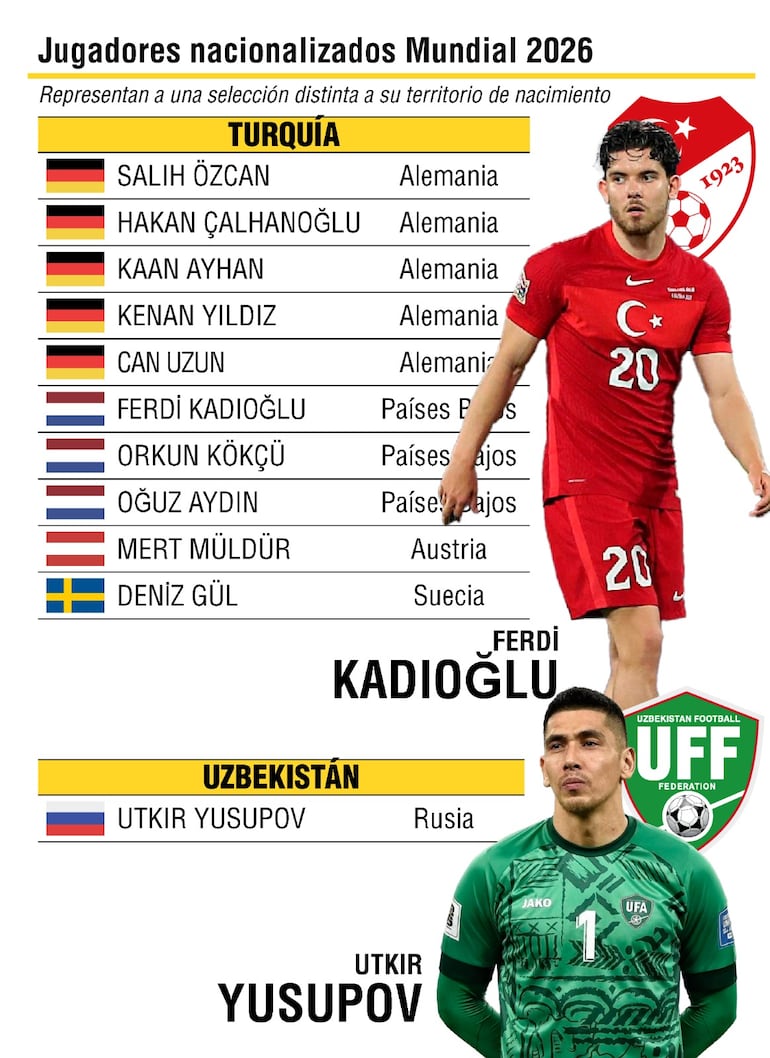
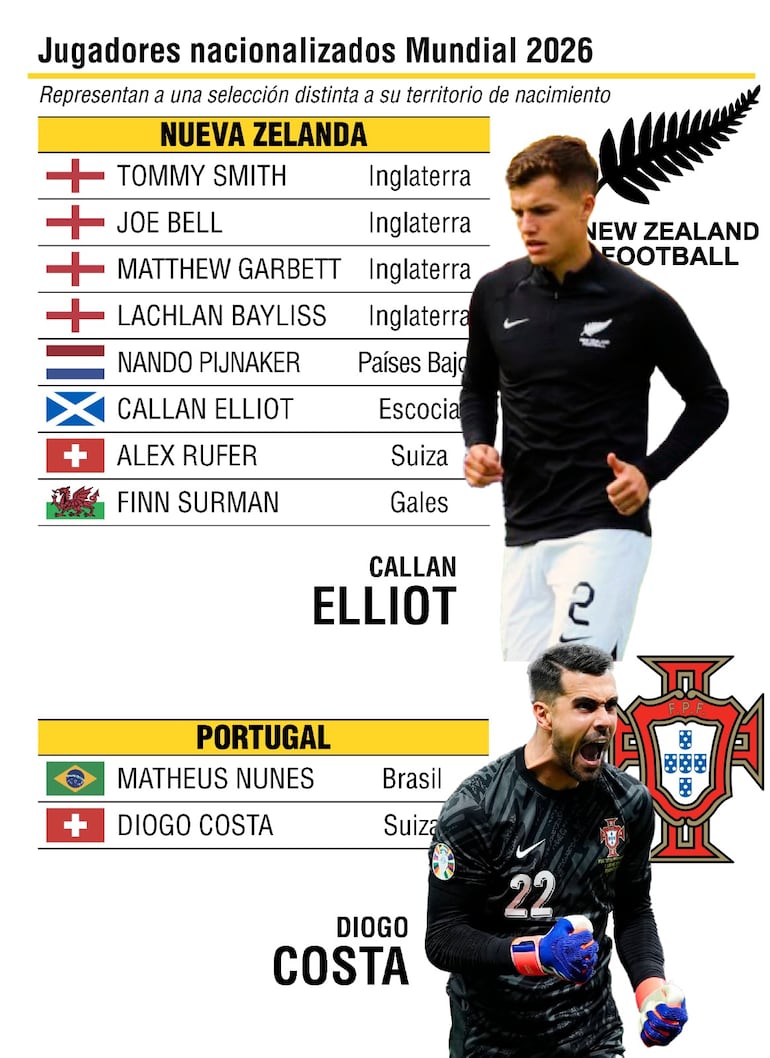
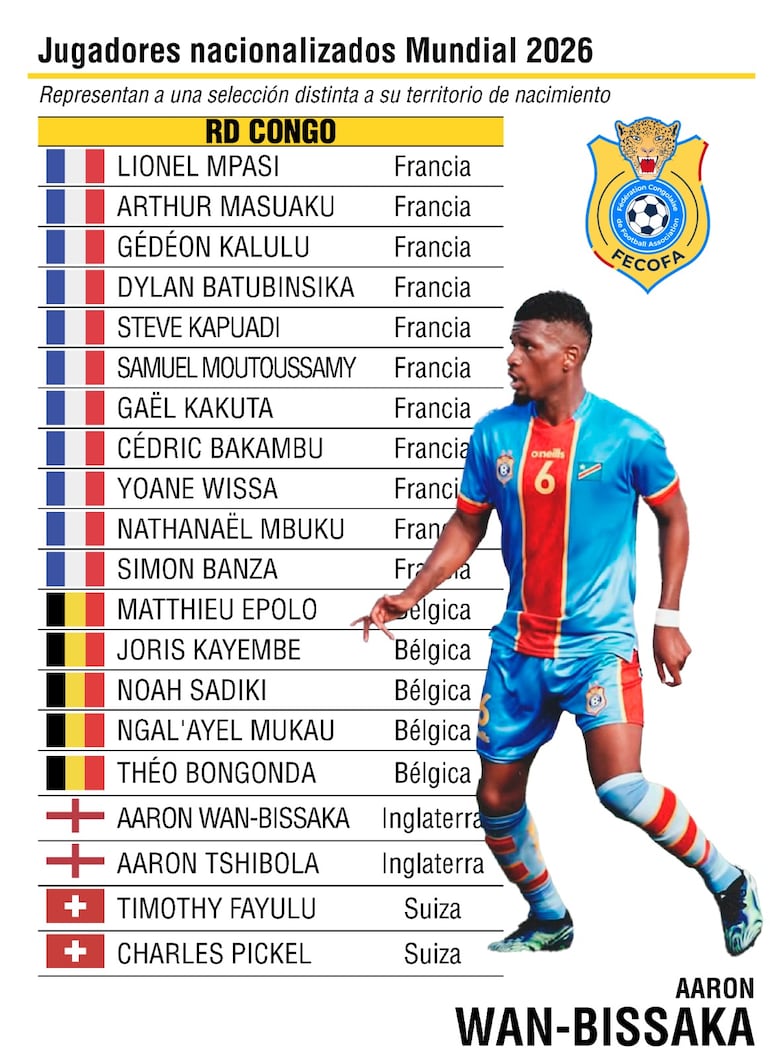
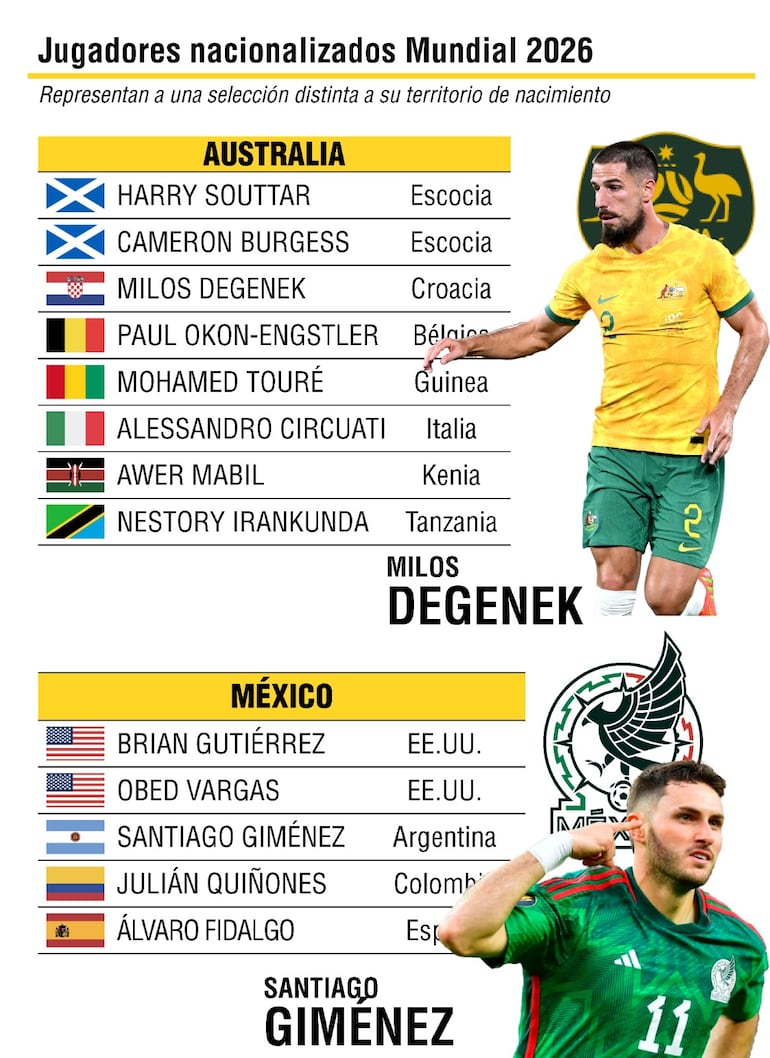
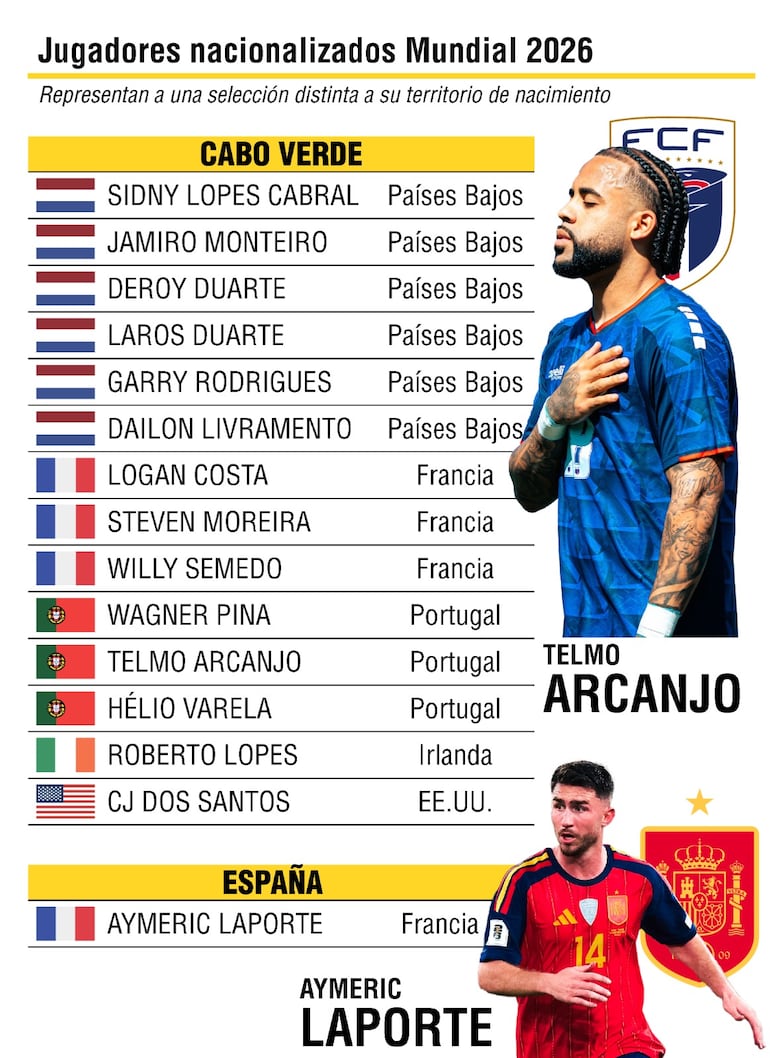
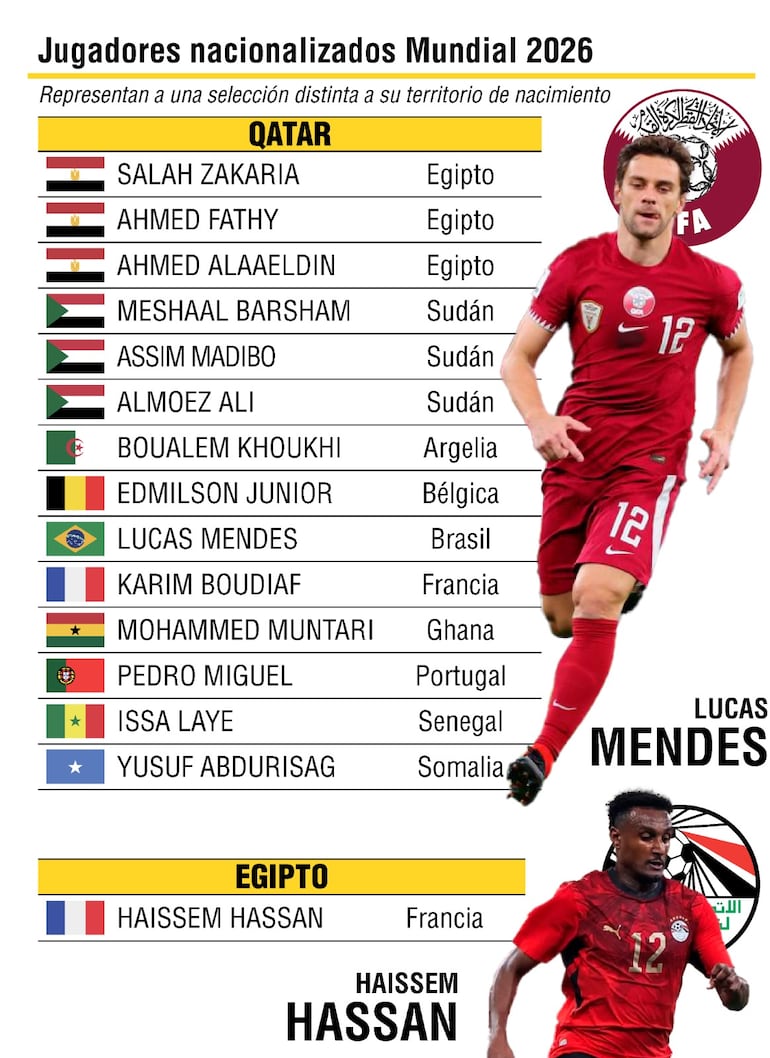
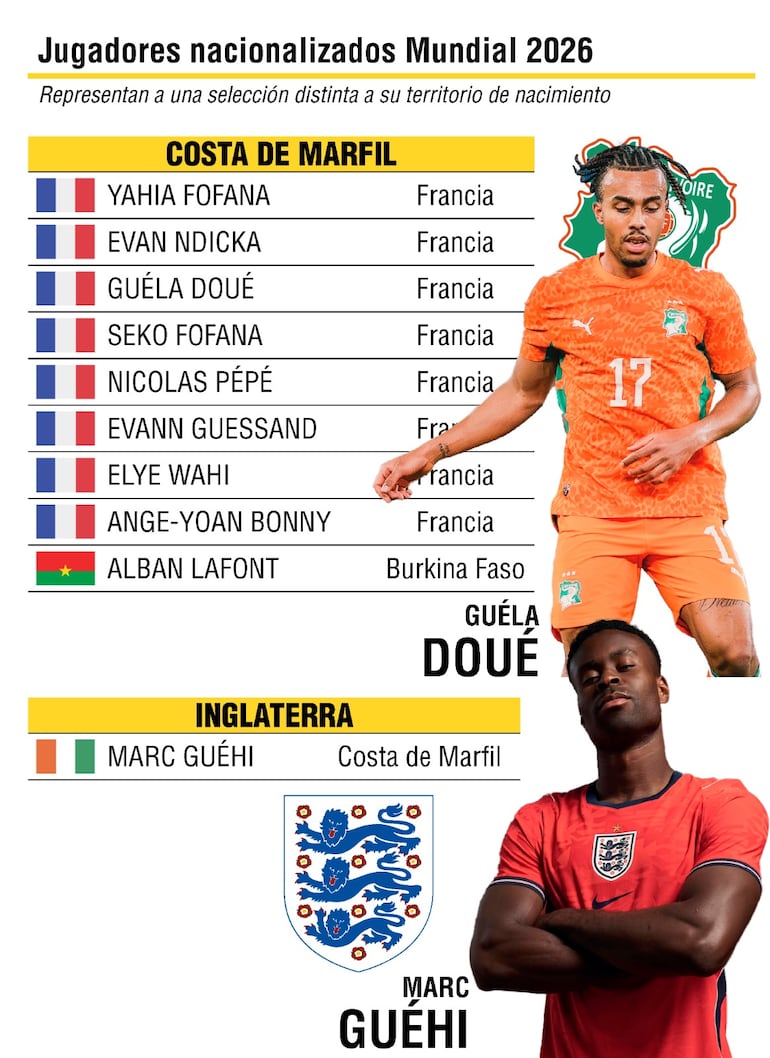
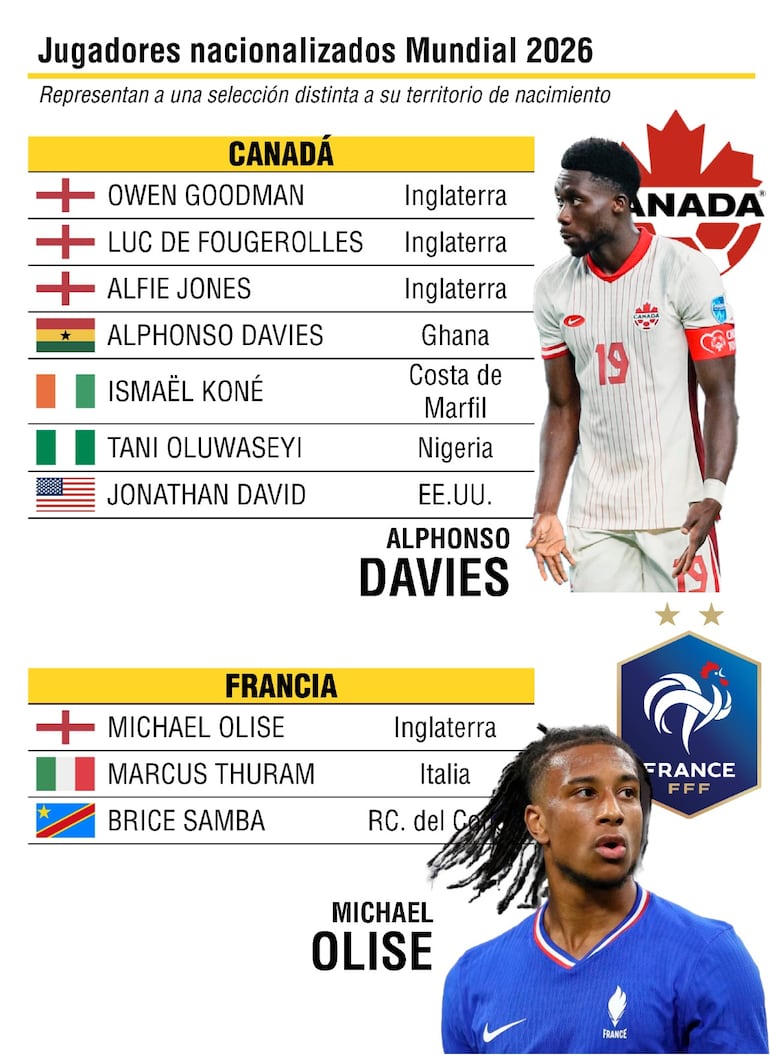
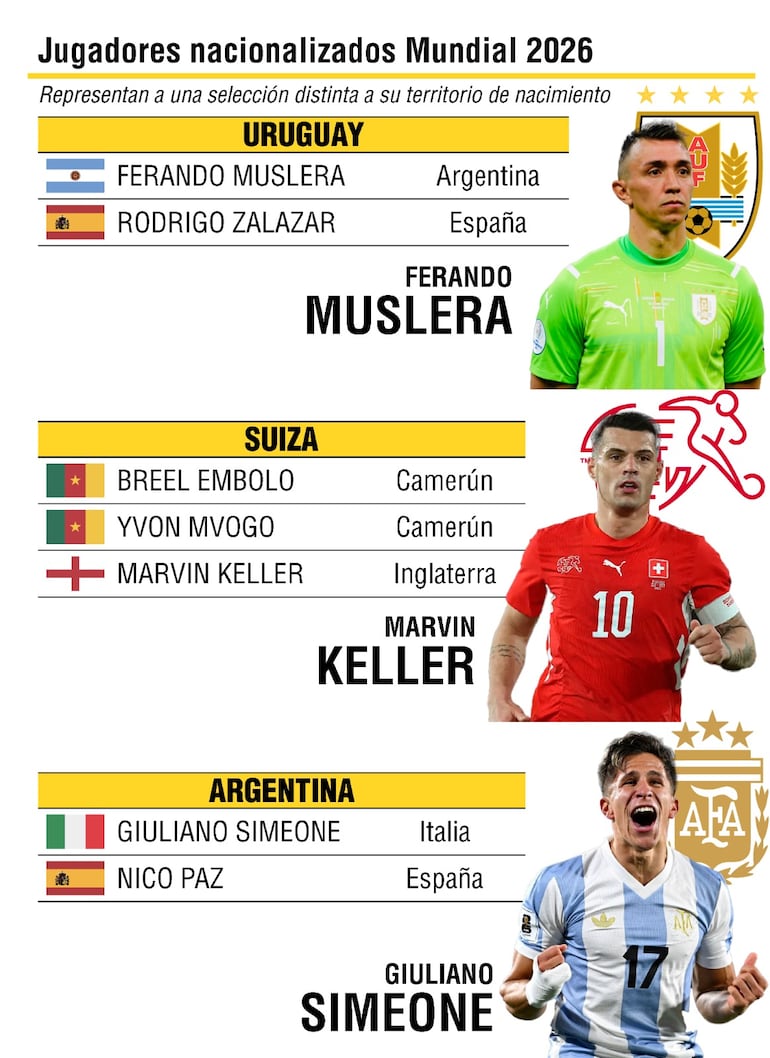
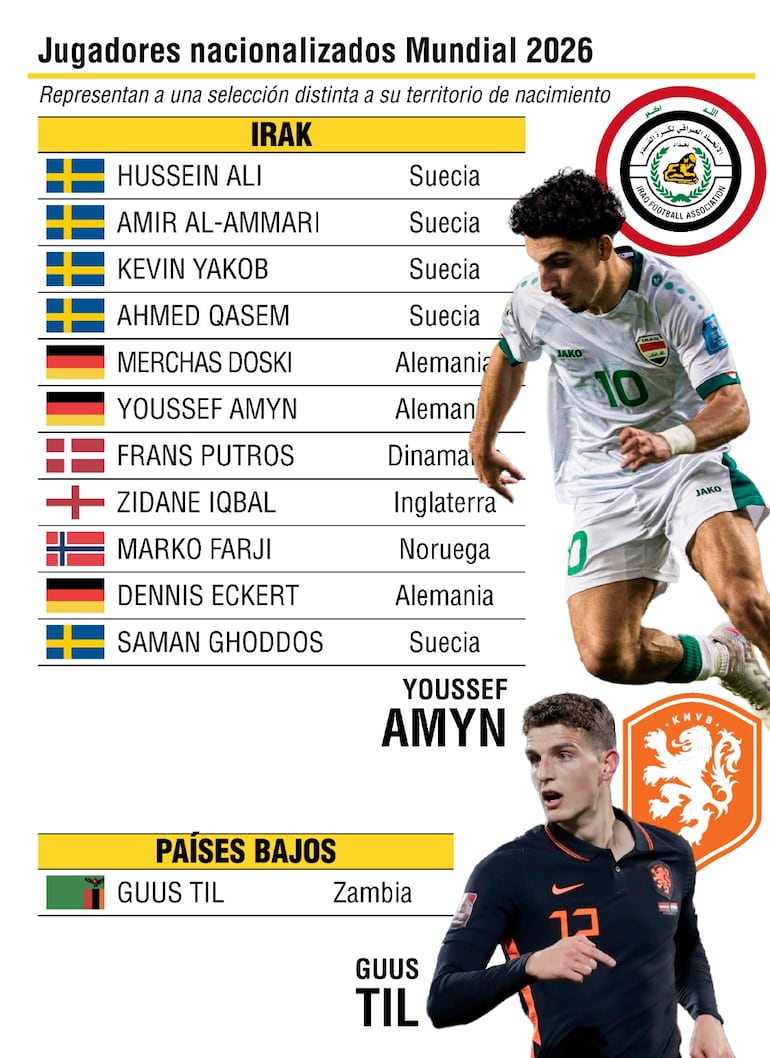
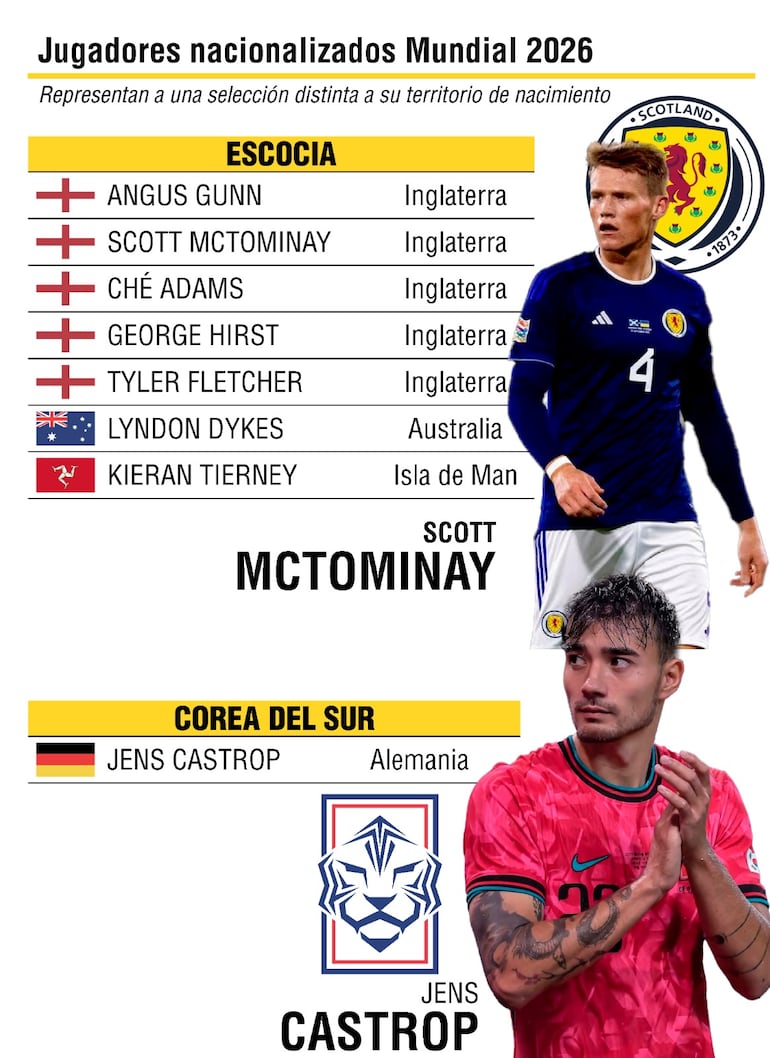
Beyond the focus on the Paraguayan national team, the graph allows us to identify great figures of world elite football who decided to represent different nations to his native soil.
The most striking case is that of Erling Haaland. The lethal center forward was born in Leeds, England (while his father played in the Premier League), but he chose to defend the colors of the country of his parentsbecoming the great reference for the Nordic attack in Norway.
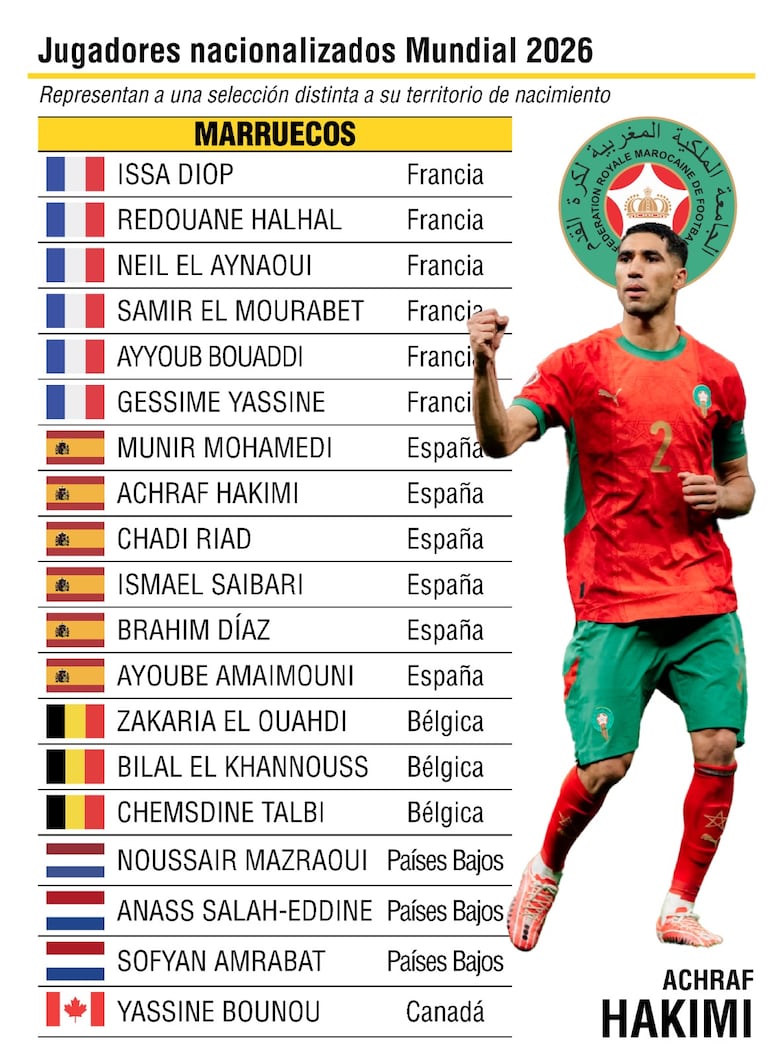
The African continent knew how to attract enormous talents in Europe, as in the case of Brahim Diaz. Born in Malaga, Spainthe talented attacker chose to represent the Moroccan national team, joining a North African project full of European-born footballers seeking to establish themselves in the elite.
Read more: The Fernándezes join the select club of World Cup parents and children
In that same team he shines Achraf Hakimi. The fast right back, established as one of the best in the world in his position, He was born and trained as a footballer in MadridSpain, but he always had a clear desire to play for the Moroccan team, the nationality of their parents.
North America has its own history of improvement with Alphonso Davies. One of the main figures of CONCACAF was born in a camp of refugees in Ghana, Africa, and emigrated as a child to Canadian territorywhere it became the football emblem of its adopted country.
Read more: Who is the police inspector who will whistle Paraguay’s debut in the World Cup?
The Mexican forward stands out Santiago Gimenez. Born in Buenos Aires, Argentina, he moved to Mexican soil at a very young age due to his father’s career and decided to represent El Tri, where today he is one of the main offensive references.
The European defense also moves under these rules with Aymeric Laporte. The experienced central defender was born in Agen, Franceand was even part of the French youth teams, but completed his Spanish nationalization after a long career in LaLiga to lead the Iberian defense.
Those nationalized from those selected