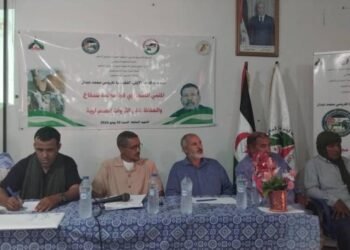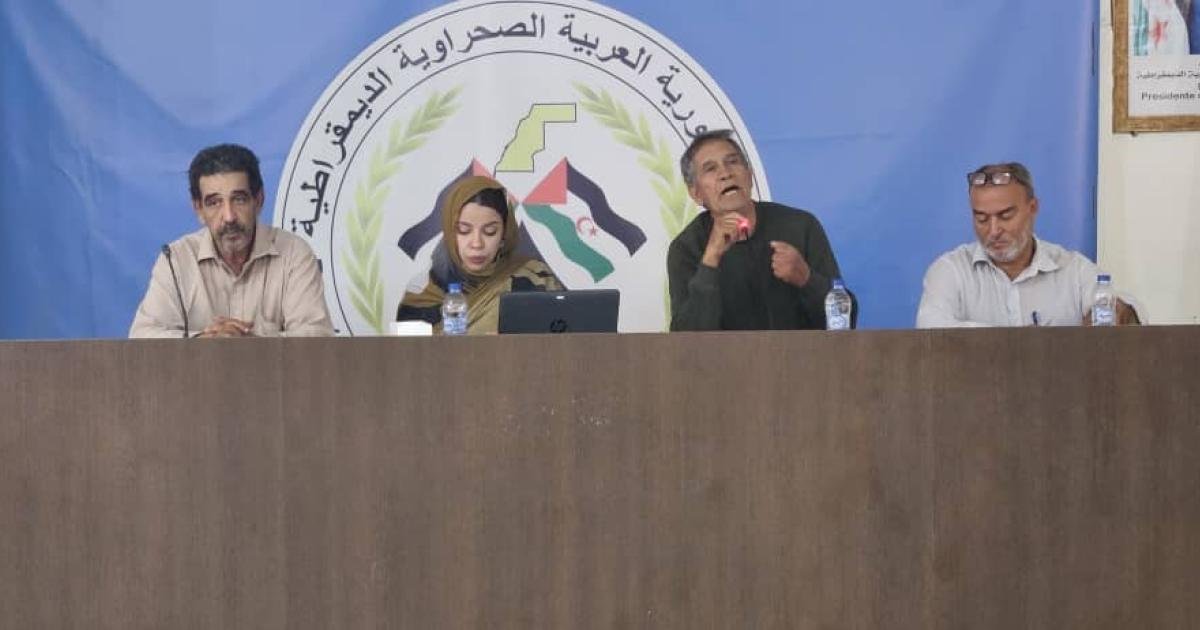
Al-Shahid Al-Hafiz, June 22, 2026 (SPS) – Today, Monday, at the headquarters of the National Council, the Director of Multilateral Relations and International Organizations at the Ministry of Foreign Affairs, Ms. Abaida Mohamed Bouzid, within the work of the spring session, presented a lecture entitled “Diplomacy and International Transformations: Challenges and Prospects – Implications of International Transformations and Prospects for International Competition and Engagement,” which dealt with the most prominent transformations taking place in the international system and their implications for just issues, most notably the Sahrawi issue.
The lecture touched on the aggravation of current international crises, including the situations in Gaza, Sudan, and the Congo, and the war in Ukraine and Iran.
In addition to other international tensions, and the challenges these transformations impose on diplomatic work and pleading paths within international organizations.
The presentation emphasized that the current stage is characterized by a decline in the influence of some international legitimacy mechanisms in the face of the increasing role of sources of influence and power in international relations, indicating that there is a gap between what is approved by international laws and conventions and the balances of influence within global decision-making circles.
In this context, Sahrawi diplomacy emphasized the importance of enhancing presence within international decision-making sites, and addressing the weak presence in some circles of influence, through developing diplomatic work methods and expanding areas of advocacy.
The lecture highlighted that the capital of the Sahrawi issue is the justice of the issue, the steadfastness of the Sahrawi people, and their high ability to adapt to international transformations and crises, considering that these factors constitute essential elements in continuing to defend national rights.
The lecture also addressed the reality of modern conflicts, stressing that war today is no longer just military, but has also become a war of narratives that requires a strong presence in the media, intellectual and legal fields.
Mrs. Abaida Mohamed Bouzid stressed the necessity of developing various forms of diplomacy, by strengthening legal, media, economic, parliamentary, and popular diplomacy, as tools complementary to official diplomacy and means of reaching various influential spaces.
During the discussion of the lecture, the participants stressed the importance of unifying efforts among various actors and strengthening institutional work in order to raise the level of advocacy and publicizing the Sahrawi issue on the international scene, in a way that serves the goals of the Sahrawi people and their right to self-determination. (SPA)