From the organization of volunteer forces and jihadi groups to the preparation of the transport fleet, accommodation capacities and relief and medical equipment, the responsible agencies are trying to provide the necessary infrastructure to hold this ceremony as regularly as possible.
Along with the extensive participation of executive institutions, the strong presence of people and popular organizations is also an important part of this operation. The registration of thousands of volunteers to serve as ushers, the launching of public campaigns to accommodate pilgrims, the establishment of service processions, and the presence of jihadi groups, show public participation in supporting this event.
At the same time, the field of relief and treatment, relying on the experience of managing large gatherings, has made extensive planning to provide medical services. Establishing field hospitals, increasing the capacity of medical beds, preparing ground and air rescue fleets, and coordination between medical centers are part of the arrangements that are planned to quickly respond to possible needs so that the services needed by pilgrims are provided with maximum preparation and in the shortest possible time.
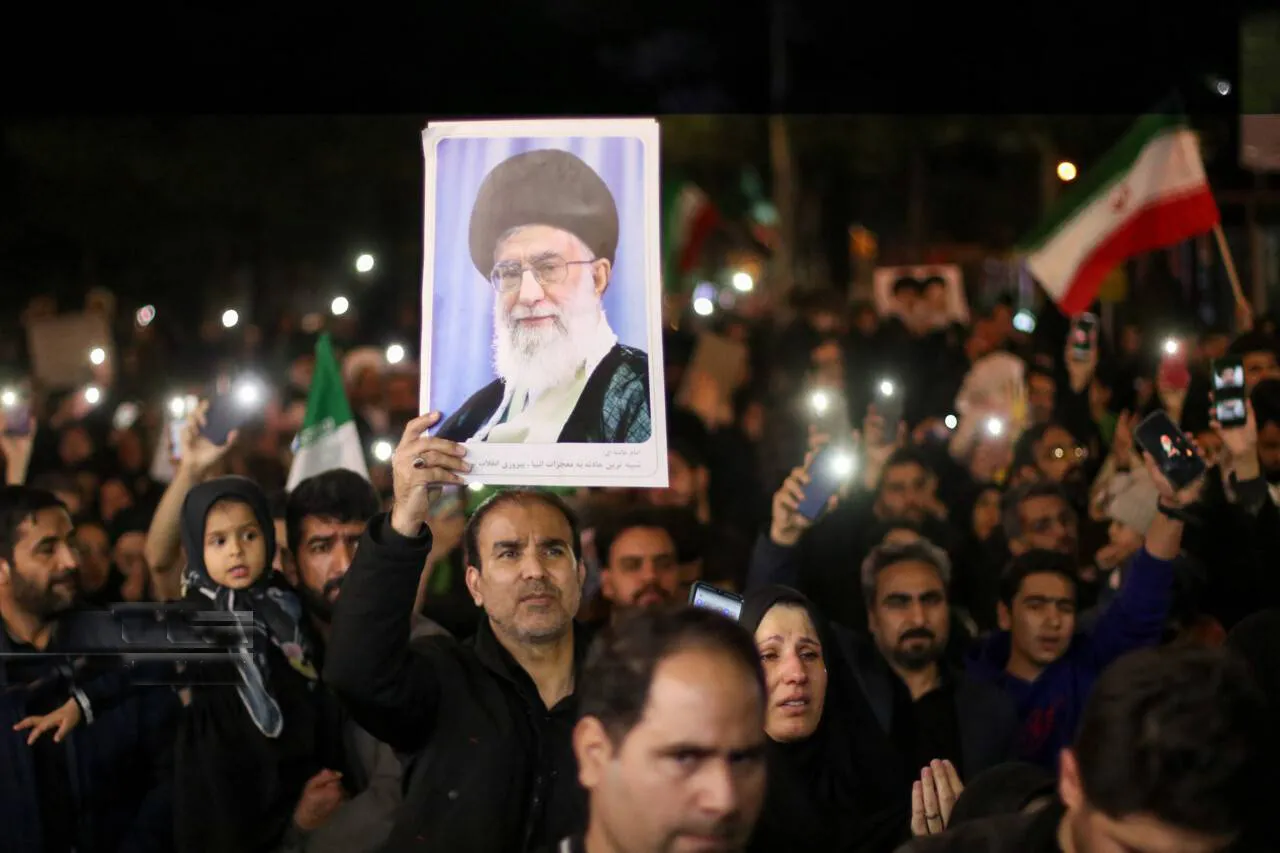
At the same time as the farewell and funeral ceremony of the martyred leader of the Islamic Revolution is approaching, Tehran Municipality has announced the wide acceptance of citizens to participate in the farewell and funeral ceremony of the martyred leader. Majid Bagheri, Deputy Director of Planning, Human Capital Development and Affairs of Tehran Municipal Council, says that following the call of this institution, during the first three days, nearly 40,000 citizens of Tehran have registered to be “Servants of Imam Shahid”.
He continues: the registration process is still ongoing and applicants can declare their readiness to attend this ceremony through the command code *133# or “Shaherzad” application by selecting the “Servant of Imam Shahid” section.
“I am the host” for accommodation of pilgrims
At the same time, the popular campaign “I am a host” has also been started with the aim of citizens’ participation in accommodation and hosting of pilgrims. In the form of this survey, citizens can register their capacities in the field of accommodation, reception, transportation, procession and other services needed by pilgrims in the “We will create together” system.
Seyyed Mohammad Mohammadi, the secretary of Seyed al-Karim Jihadi Camp (AS), announced the establishment of 250 jihadi groups in the funeral ceremony and said: These groups will provide services to pilgrims in the areas of reception, treatment, cultural activities, mother and child, and media. Jihadi groups are stationed in the direction of Motahari Street, Azadi Square and Zair Bayhaghi City, and the possibility of temporary accommodation of 30,000 people has been provided in Bayhaghi Terminal.
He also pointed to the registration of 1,650 Tehrani families in “I am a host” campaign and says: these families from 22 districts of Tehran have announced their readiness to accommodate pilgrims.
Allocation of two relief planes to the ceremony
In the transportation sector, more than 10,000 buses have been planned for the free transportation of pilgrims. Seyed Farhad Khodabakhshi, Director General of the Office of Transport and Urban Traffic of the Organization of Municipalities and Villages of the country, announcing this news, says: More than 6,000 buses in Tehran and more than 2,000 buses in each of Qom and Khorasan Razavi provinces will provide services to pilgrims.
He adds: In addition to the bus fleet, metro and taxis will also be at the service of pilgrims in Tehran, Qom and Mashhad for free, and all fleets will start their activities from July 12 with full readiness.
Simultaneously with the completion of the arrangements for the farewell ceremony and burial of the martyred leader, the relief, medical and academic departments have also increased their capacities to serve the pilgrims.
Mohammad Ismail Tawakli, the head of the medical emergency and relief committee for the farewell and burial ceremony of the martyred leader of the nation, also informed about the allocation of two fixed-wing airplanes with the cooperation of the Army Air Force to this committee and said: these airplanes will be on standby until the end of the ceremony and, if necessary, they will be responsible for the rapid transfer of patients, injured, medical equipment and treatment teams.
He says: The medical emergency and relief committee is at the highest level of readiness by using land, air and rail capacities to provide relief and treatment services to the mourners with speed and precision.
In the academic department, extensive planning has been done to accommodate and provide services to pilgrims. Mehdi Pandar, head of the committee of Tehran province of academicians of the national headquarters for the farewell ceremony, funeral and burial of the martyr leader, referring to the establishment of 175 large processions of academicians in the planned routes, says: these processions will provide cultural services, hospitality and support to academicians and other pilgrims.
He adds: the accommodation capacity of government universities, medical sciences, Islamic Azad and research institutes in Tehran province has also been fully identified and organized; A part of these capacities will be used to accommodate university caravans and another part will be provided to other pilgrims with the coordination of the national headquarters.
Pandar notes: Necessary arrangements have been made to use the capacity of universities in Qom and Khorasan Razavi provinces, especially Ferdowsi University of Mashhad, so that accommodation, catering and welfare services can be provided to academic caravans and pilgrims.
Field hospitals
In the field of treatment, Nader Tavakoli, the head of the health and treatment committee of the funeral and burial of the martyred leader, said about the beginning of the establishment of medical teams in the central ring of Imam Khomeini’s (RA) mosque: based on the planning, five specialized hospitals have been established in the central ring and a support hospital with a capacity of 200 beds is also planned to support medical services.
He adds: Two field hospitals will also operate outside the central ring, and medical services will be provided with the participation of Tehran, Shahid Beheshti, Iran, Baqiyatullah, Social Security Organization, General Staff of the Armed Forces and the Army.
Referring to the supply of medicine, medical equipment and consumables, the president of Iran University of Medical Sciences says: the total capacity of the six hospitals located in the central ring includes 600 inpatient beds and 200 support beds, and the effort is to ensure that about 90% of referrals are treated in the same field hospitals so that there is no need to transfer patients to other medical centers.
Pointing to the full readiness of Tehran’s hospitals and clinics, Tavakli emphasizes: the medical centers located on the route of the ceremony, with the coordination of the dispatch and transfer committee, are fully prepared to receive patients and possible injured.
Mehrdad Diyanti, director of Hazrat Rasool (PBUH) Hospital, also announced the increase in the capacity of medical services during the funeral ceremony and says: According to the estimation of the number of participants, Hazrat Rasool (PBUH) field hospital has been established in the mosque of Imam Khomeini (PBUH) with a capacity of 100 beds.
Jafar Miyadfar, the head of the country’s emergency organization, also explained the measures taken by the health system to hold the farewell ceremony and burial of the martyred leader.
The head of the emergency organization of the country stated that Tehran will be the host of the biggest gathering of this ceremony, stating: In addition to all the facilities in the capital, more than 100 ambulances are sent to Tehran from other provinces to strengthen the operational capacity of the emergency department.
He states: Hospitals in Tehran, Qom and Mashhad are ready to provide medical services with 100% capacity, and in addition, mobile hospitals, medical systems, aid stations and other necessary equipment have been predicted and prepared to fully cover the ceremony.